Workout Goals App: 10 Features That Actually Help You Stay Consistent
Most people do not need another fitness app. They need a workout goals app that turns a vague intention into a plan they can follow today. The strongest goals are measurable and realistic, and public health guidance for adults still centers on at least 150 minutes of moderate activity each week plus two days of muscle-strengthening work. The CDC also notes that even small amounts of activity help, which is a useful reminder if you are starting from zero or trying to rebuild a routine. (cdc.gov)
That is why the best app is not simply the one with the most charts. It is the one that makes it easy to decide what to do, log it fast, and see whether your effort is actually moving you forward. If you want a workout goals app that truly supports progress, look for the features below. (heart.org)
1. Start with the kind of goal you actually want to reach
A good workout goals app should fit the outcome you care about most. That might mean weekly minutes of activity, a walking habit, a 5K plan, a strength target, or a weight-loss routine. The American Heart Association recommends matching the plan to your abilities and needs, and it specifically calls out general goals, running a 5K, and weight-loss goals as different starting points. (heart.org)
If the app only supports one style of progress, it will always feel a little off. A runner needs distance and time. A lifter needs load, reps, and sets. A walker may care more about streaks and weekly consistency than about pace. The right app should let you focus on the metric that matters most, not force every goal into the same mold. (heart.org)
2. Choose an app that turns vague intentions into clear targets
A goal becomes much easier to follow when it is specific, measurable, and tied to a schedule. The AHA says goal-setting should include how you will proceed and how you will measure progress, while the CDC recommends starting with small amounts of activity and building up over time. That is the difference between saying, I should work out more, and saying, I will walk 20 minutes after dinner on Monday, Wednesday, and Friday. (heart.org)
A strong workout goals app should make those targets easy to enter and easy to review. If you can set weekly minutes, sessions per week, distance, or lifting milestones, you are more likely to stick with the plan. Clear goals also help when motivation dips, because you are no longer guessing what success looks like. (heart.org)
3. Make sure logging is fast enough to use mid-workout
Logging should not steal focus from the workout itself. If entering a set takes too many taps, most people stop doing it consistently. Setgraph’s homepage says its workout log supports swiping to log reps and weight, pulling from history, and adding notes, while its swipe-action article says those shortcuts are meant to keep logging fast and reduce downtime between sets. (setgraph.app)
That kind of speed matters because a workout goals app only helps when you keep using it. If you want an example of a minimalist logging flow, Setgraph - Workout Tracker Gym Log App is built around quick set entry, session comparisons, and workout planning rather than clutter. (setgraph.app)
4. Look for progress views you can understand at a glance
A goals app should not just store numbers. It should show what changed. Setgraph says its workout tracker compares each session to the last one in real time and shows changes in reps, weight per rep, volume, and sets. It also says its correlation charts help you see how weight and reps evolve over time. (setgraph.app)
That matters because progress is easier to trust when you can see it. One week of better sessions can feel random. A few weeks of clear trends are much easier to act on. If you prefer user feedback before choosing a tool, the Setgraph App Reviews (2025): User Ratings for Tracking Sets, Reps & Workouts page shows the kinds of progress-tracking comments real users share. (setgraph.app)
5. Pick an app that matches the way you train
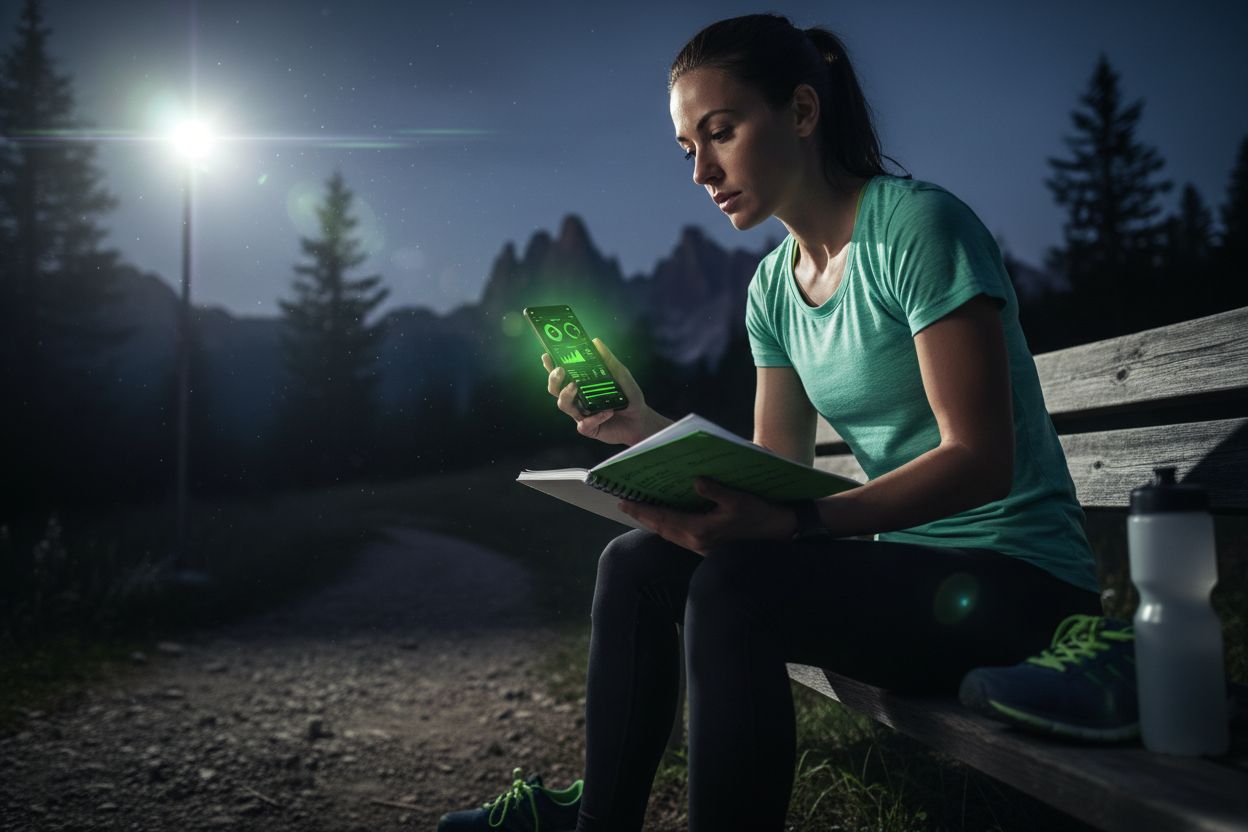
Not every workout goals app needs to do everything. A strength lifter, a runner, and someone trying to build a daily walking habit all need different kinds of support. CDC and AHA guidance both treat aerobic work and muscle-strengthening work as important parts of a weekly routine, so it helps if your app can stay flexible instead of assuming everyone trains the same way. (cdc.gov)
If your main goal is strength or muscle gain, Setgraph’s AI Workout Generator adapts to your goals, schedule, equipment, and experience level, and its workout planner lets you build structured routines with notes, cues, and instructions. That makes it more relevant for people who want training structure instead of a generic activity log. (setgraph.app)
For broader training ideas, Optimize Your Training | Expert Tips and Workout Guides is a helpful companion read.
6. Use an app that supports consistency, not perfection
A workout goals app should make it easier to show up on ordinary days. CDC guidance recommends setting aside specific times, starting with activities you enjoy, and beginning slowly so you can build up over time. It also suggests breaking weekly activity into smaller chunks, such as 30 minutes a day for 5 days, which makes a goal feel much less intimidating. (cdc.gov)
That is why the best app is the one you will still open after a long workday. If logging feels like a chore, you will skip it. A simple system often wins because it keeps the focus on the workout itself. For more practical ideas on staying consistent, Fitness & Workout Tips | Setgraph is a useful place to browse. (setgraph.app)
7. Make sure the app helps you adjust, not just record
A workout goals app should help you adapt when your routine changes. The AHA says a precise plan should include how you will proceed and how you will measure progress, and it recommends starting with something achievable before building up. Setgraph’s homepage similarly says its workout planner helps you create structured routines and that its AI adapts to your goals, schedule, equipment, and experience level. (heart.org)
That combination matters because goals are rarely static. You may start with a walking habit, move into lifting, then shift again when life gets busier. A good workout goals app makes those transitions easier instead of forcing you to start from scratch each time. If you want a more structured next read, Setgraph Training Guide | Maximize Your Workout is a logical companion. (heart.org)
8. Check whether the app gives you useful extras, not just clutter
The best workout goals app gives you just enough help to stay on track. That can include rest timers, lifting history, calculator tools, notes, and graphs, as long as they do not make the app harder to use. On Setgraph’s official review page, users mention features such as a rest timer, 1RM calculator, barbell assistance, easy workout creation, and clear progress views. (setgraph.app)
Those extras can be helpful if they answer a real question during training. How much did I lift last time? Should I add weight this week? Am I improving across sets or just having a good day? A good app should make those answers easier to find, not bury them behind menus. (setgraph.app)
9. Confirm that the app fits your devices and workout routine
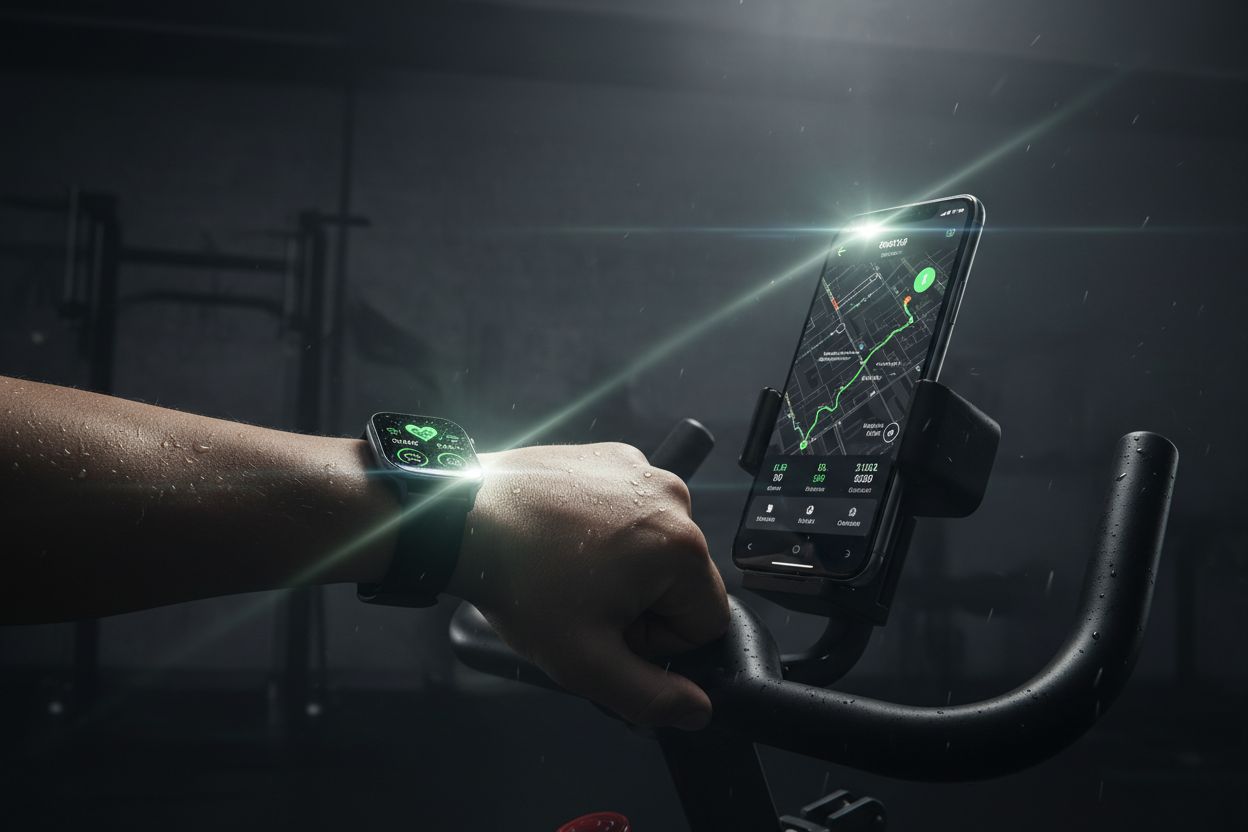
A goals app should work where you actually train. If that means your phone, your watch, or both, check compatibility before you commit. Setgraph’s strength-tracking article says it is available on iOS, Android, and Apple Watch, and its homepage says Apple Watch users can log sets and start rest timers from their wrist. (setgraph.app)
A workout goals app is much more likely to become a habit when it fits your real training environment. If your app keeps getting in the way, the best features in the world will not matter. That is why it helps to read user feedback too, which is one reason review pages are worth a look before you decide. (setgraph.app)
10. Choose the app that makes progress feel believable
The best workout goals app is the one that helps you believe your next session matters. CDC guidance says any amount of physical activity has benefits, and that adults can break the weekly 150-minute target into smaller chunks. The AHA also notes that clear goals and progress tracking can help motivate you when you are not in the mood to move. (cdc.gov)
If the app helps you see a streak, a stronger lift, a longer walk, or a more consistent schedule, it is doing its job. If it only gives you data without making the next step clearer, it will probably fade into the background. The best workout goals app should feel like a steady training partner, not another distraction. (heart.org)
FAQ
What should I look for in a workout goals app?
Look for clear goal tracking, quick logging, and progress views that are easy to read. If you are training for strength, routines and session comparisons matter more; if you are building a walking habit, weekly consistency matters more. The app should match the goal, not fight it. (heart.org)
Can a workout goals app help beginners?
Yes. CDC and AHA guidance both recommend starting small and building up, which is exactly where a simple app helps. It gives beginners a place to record short sessions, see streaks, and increase activity without trying to do too much too soon. (odphp.health.gov)
Is a workout goals app only for strength training?
No. The best app for you depends on your goal. Some people need running distance, some need weekly walking minutes, and some need lifting data like reps, sets, and volume. Setgraph is one example of an app focused on strength training and structured workout logging. (heart.org)
How do I set a realistic goal inside an app?
Use a target you can measure and repeat. AHA recommends tying goals to a specific plan, including when you will train and how you will measure progress, while CDC guidance says starting with small amounts and building up usually works better than trying to do everything at once. (heart.org)
What is the biggest mistake people make when choosing one?
They pick the app with the most features instead of the one that is easiest to use consistently. If logging takes too long or the app does not match the type of training you do, it usually becomes a short-lived download instead of a real habit. (setgraph.app)
Final thought
A workout goals app should do three things well: make your target clear, make logging easy, and show progress without a lot of friction. If it does those things, it becomes less like an app and more like a training habit. That is true whether your goal is walking more, running farther, or getting stronger in the gym. (cdc.gov)
Article created using Lovarank