Muscle Group Workout Schedule: 7 Practical Weekly Splits and How to Use Them
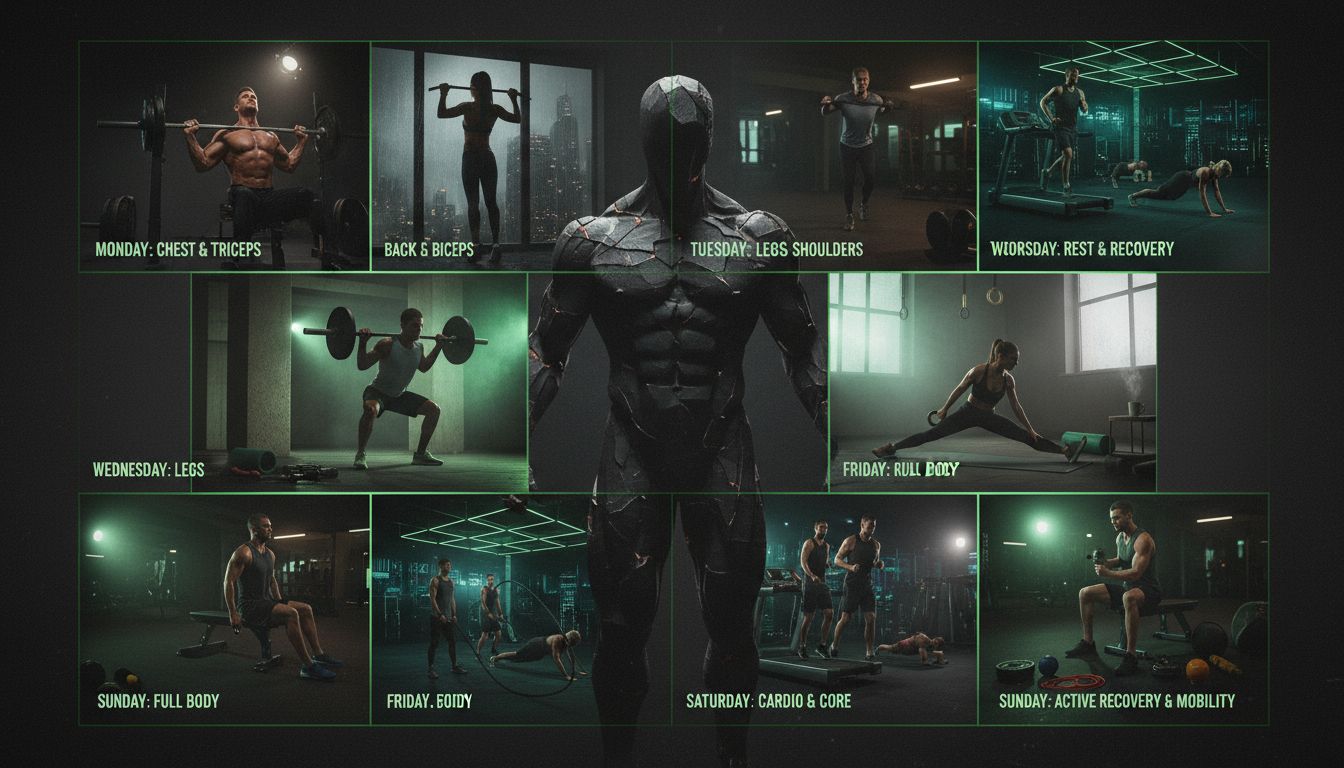
Deciding how to organize your training around specific muscle groups is one of the fastest ways to get consistent results. This guide breaks down practical muscle group workout schedule options, explains how to structure sessions for growth and recovery, and gives ready-to-use weekly plans for beginners through advanced lifters.
What a muscle group workout schedule actually does
A muscle group workout schedule is a plan that assigns specific muscles to specific days. The goal is to balance training frequency, volume, and recovery so each muscle gets enough stimulus to improve without being overworked. A clear schedule makes workouts easier to follow, helps you track progress, and keeps recovery predictable.
Key components of a good schedule:
Which muscle groups you hit each session
Exercise order and selection
Volume - sets and reps per muscle group
Rest between sets and days
Progression plan and deload weeks
Major muscle groups explained
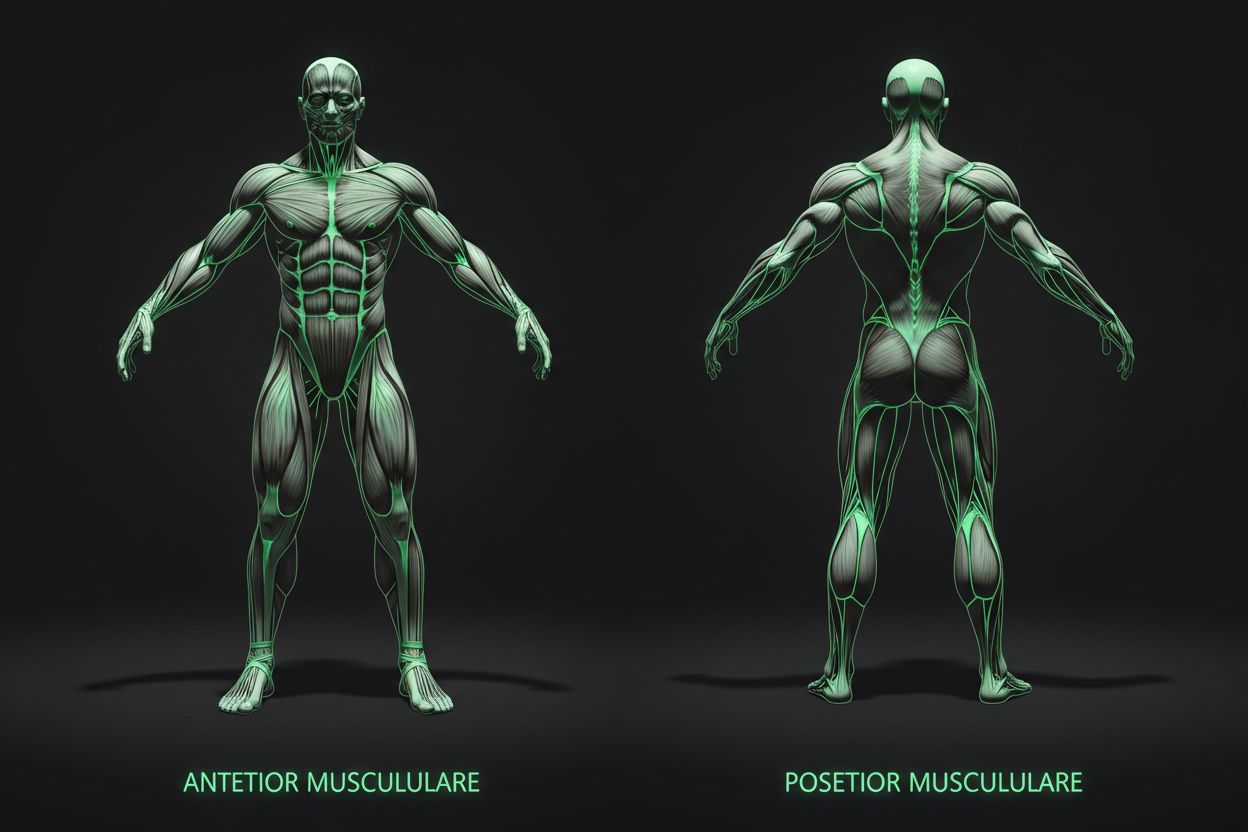
Understanding the main muscle groups helps you pick exercises and split days logically.
Chest - mainly worked with presses and push movements. Primary movers include pectoralis major and minor.
Back - includes lats, rhomboids, traps, and erector spinae. Pulldowns, rows, and deadlifts hit these.
Legs - quads, hamstrings, glutes, and calves. Squats, lunges, deadlifts, and extensions are staples.
Shoulders - deltoids are divided into anterior, medial, and posterior heads. Presses and lateral raises target them.
Arms - biceps and triceps are often trained after compound pushes or pulls. Curls and extensions are isolation moves.
Core - rectus abdominis, obliques, and deep stabilizers. Core work supports heavy lifts and posture.
Knowing which exercises emphasize which muscles helps you combine movements into efficient sessions.
Warm-ups, exercise order, and rest - practical rules
A smart warm-up, correct exercise order, and appropriate rest intervals improve performance and reduce injury risk.
Warm-up protocol:
5 to 10 minutes light cardio for general circulation
Dynamic mobility for joints you'll load - hip swings for legs, band pull-aparts for shoulders, thoracic rotations for upper back
2 to 3 ramp-up sets of your first compound lift working up to your working weight
Exercise order:
Compound, multi-joint lifts first - squats, deadlifts, bench, rows, overhead press
Secondary compound or heavy accessory lifts next
Isolation and finishing exercises last
Rest between sets - target-specific guidelines:
Strength: 2.5 to 5 minutes for major compounds
Hypertrophy: 60 to 120 seconds
Endurance/conditioning: 30 to 60 seconds
Volume recommendations per muscle group per week (general starting points):
Beginners: 8 to 12 sets per muscle per week
Intermediate: 12 to 18 sets per muscle per week
Advanced: 16 to 25 sets per muscle per week
Adjust volume based on recovery, soreness, and progress.
Compound vs isolation - when to use each
Compound exercises move multiple joints and let you lift heavier loads. Use them as the foundation to drive strength and overall growth.
Isolation exercises target a single muscle. Use them to add volume, correct imbalances, and shape muscles after compounds.
A common approach is 60 to 80 percent of weekly volume from compounds and the rest from isolation work.
Common workout split types - pick the right muscle group workout schedule for your goals

This section lists popular splits with who they suit, sample schedules, pros, cons, and volume guidelines. Each option is a practical muscle group workout schedule you can use right away.
Full Body (2-3x per week)
Best for: Beginners, time-limited lifters, or those returning from a break
Frequency: 2 to 3 sessions per week
Sample schedule - 3-day
Day A: Squat, Bench Press, Row, Core, Accessory
Day B: Deadlift, Overhead Press, Pull-up, Hamstring curl, Calves
Day C: Front Squat or Lunge, Incline Press, Single-arm Row, Core, Finisher
Volume: 8 to 12 sets per muscle per week spread across sessions
Pros: Efficient, frequent practice of lifts, good for learning technique
Cons: Harder to accumulate high volume for one muscle in a single session
Upper/Lower Split (4x per week)
Best for: Strength phases, lifters wanting more focus while keeping frequency
Frequency: Upper/Lower repeated twice
Sample schedule
Monday - Upper: Bench, Row, Overhead Press, Pull-ups, Biceps, Triceps
Tuesday - Lower: Squat, Romanian Deadlift, Lunges, Calves, Abs
Thursday - Upper: Variations of Monday with different angles
Friday - Lower: Variations of Tuesday with accessory focus
Volume: 12 to 18 sets per muscle per week
Pros: Balance of frequency and volume, good for strength and hypertrophy
Cons: Two heavy lower days can tax recovery if intensity is high
Push/Pull/Legs (PPL) - 3 to 6x per week
Best for: Intermediates, flexible scheduling
Frequency: 3 days (each once) or 6 days (each twice)
Sample schedule - 6-day
Day 1 - Push: Bench, Overhead Press, Dips, Lateral Raises, Triceps
Day 2 - Pull: Deadlift or Rack Pulls, Rows, Pull-downs, Face Pulls, Biceps
Day 3 - Legs: Squat, Romanian Deadlift, Leg Press, Calves, Core
Repeat Days 4 to 6
Volume: 12 to 20 sets per muscle per week depending on frequency
Pros: Clear movement patterns, easy to program progression
Cons: Requires more gym days to maximize volume
Body Part Split (5-day or more)
Best for: Bodybuilders and lifters prioritizing hypertrophy
Frequency: Each muscle once or 1.5 times per week
Sample schedule
Day 1 - Chest, Day 2 - Back, Day 3 - Legs, Day 4 - Shoulders, Day 5 - Arms
Volume: 15 to 25 sets per muscle per week concentrated in single sessions
Pros: High volume per session to target detail
Cons: Lower training frequency per muscle; recovery issues if sessions are intense
Hybrid or Athlete Split
Best for: Athletes, multisport or performance goals
Frequency: Variable, typically 4 to 6 days
Structure: Mix of strength, power, and conditioning. Example - two strength days, two skill days, one conditioning
Pros: Transfers to sport performance
Cons: Complexity in programming and recovery
Sample weekly schedules with exercises, sets, and reps

Use these as plug-and-play muscle group workout schedule templates. Adjust weights and rest to match your goals.
A - Beginner - 3-day Full Body
Workout A
Goblet Squat 3x8-10
Bench Press 3x6-8
One-arm Dumbbell Row 3x8-10
Plank 3x30-45s
Workout B
Romanian Deadlift 3x8-10
Overhead Press 3x6-8
Lat Pulldown 3x8-10
Farmer Carry 3x30s
Weekly: Mon A - Wed B - Fri A (alternate next week B-A-B)
B - Intermediate - 4-day Upper/Lower
Upper 1
Barbell Bench 4x5
Barbell Row 4x6
Incline DB Press 3x8
Face Pulls 3x12
Biceps Curl 3x10
Lower 1
Back Squat 4x5
Romanian Deadlift 3x8
Bulgarian Split Squat 3x8 per leg
Calf Raises 3x12
Upper 2 (variation)
Overhead Press 4x5
Pull-up 4x6-8
Chest-supported Row 3x8
Triceps Extension 3x10
Lower 2 (variation)
Front Squat 3x6
Deadlift Variation 3x5
Glute Bridge 3x10
Core Circuit 3 rounds
Weekly: Mon Upper 1 - Tue Lower 1 - Thu Upper 2 - Fri Lower 2
C - Advanced - 6-day PPL
Push
Bench 4x6
Overhead Press 4x6
Incline Fly 3x10
Lateral Raise 3x12
Triceps Dips 3x8-10
Pull
Deadlift 3x4
Bent-over Row 4x6
Face Pull 3x12
Hammer Curl 3x10
Legs
Squat 4x6
Romanian Deadlift 3x8
Leg Press 3x10
Calf Raises 4x12
Weekly: repeat Push - Pull - Legs twice with one full rest day
Personalize your muscle group workout schedule
Choose a split based on these factors and then adjust sets, intensity, and exercise selection.
Experience level - beginners do best with full body. Intermediates excel with upper-lower or PPL. Advanced lifters benefit from higher frequency or body part splits.
Age - older adults need more emphasis on joint mobility, longer warm-ups, and conservative volume. For lifters over 50 reduce weekly top-end volume by 10 to 20 percent and prioritize recovery.
Injury history - substitute painful movements with pain-free alternatives. For shoulder issues prefer neutral-grip pressing and band work for rotator cuff stability.
Equipment - at home with dumbbells use unilateral drills and variations. If limited, favor higher rep ranges and tempo control.
Time constraints - 30-minute sessions favor full-body circuits or focused upper/lower sessions. 60+ minute sessions let you add more volume and isolation work.
If you want help tracking sets, reps, and progressive overload, use a simple tracker or an app like Setgraph - Workout Tracker Gym Log App to keep accurate logs and spot trends.
Progressive overload, tracking, and deloads
Consistent progress requires progressive overload and systematic tracking.
Tracking methods:
Training journal or spreadsheet with exercises, weight, sets, reps, and RPE
Mobile tracker - see Setgraph Training Guide | Maximize Your Workout for general planning templates
Periodic performance tests - record your best lifts monthly
When to increase weight:
If you hit the top of your rep range for two consecutive workouts on a given exercise, increase weight by the smallest available increment
Plateau-busting techniques:
Change rep ranges, alter exercise selection, add intensity techniques like rest-pause, or introduce brief block periods focusing on strength
Deload strategy:
Every 4 to 8 weeks reduce training volume and intensity by 40 to 60 percent for one week
For extra optimization tips see Optimize Your Training | Expert Tips and Workout Guides.
Nutrition and recovery aligned to your schedule
Nutrition supports your training frequency and goals.
Protein - aim for 0.7 to 1.0 grams per pound of bodyweight daily for hypertrophy and recovery
Pre-workout - a small meal with carbs and protein 60 to 90 minutes before training helps performance
Post-workout - 20 to 40 grams of protein and some carbs to refill glycogen and support recovery
Calories - maintain a slight surplus for muscle growth, a deficit for fat loss, and maintenance for recomposition
Hydration, sleep, and mobility work are part of recovery. If you follow a heavy 5-6 day split, prioritize nightly sleep and at least one full rest day.
Troubleshooting common problems
Overtraining signs:
Persistent fatigue, decline in performance, poor sleep, elevated resting heart rate
Fix: reduce volume, add rest days, or take a deload week
Muscle imbalances:
More unilateral work, targeted isolation, or technique review
Missed workouts:
Don’t try to double up intense sessions. Replace missed training with a single focused session, or shift the week slightly
Stalled progress:
Re-check nutrition, sleep, progressive overload, and consider a 1-week reset
If you want user reviews of tracking tools to help choose a logging app browse Setgraph App Reviews (2025): User Ratings for Tracking Sets, Reps & Workouts.
How to measure progress beyond the scale
Strength benchmarks - track key lifts and aim for steady improvements
Circumference measurements - arms, chest, waist, thighs monthly
Progress photos every 4 weeks under consistent lighting and posture
Performance markers - more reps at the same weight, faster sprint times, or more volume completed
For general training principles and technique tips, check Core Principles & Techniques for Every Lifter - Setgraph.
What to do on rest days
Active recovery - 20 to 40 minutes of low-intensity cardio
Mobility and soft tissue work - foam rolling, banded mobility
Light technical practice - bodyweight movement patterns
Complete rest days are important if you feel unusually fatigued or during a deload week.
FAQs
How often should I train each muscle group? Aim for 2 sessions per muscle group each week for most lifters. Beginners can progress with 2 to 3 full-body sessions instead.
Can I do cardio with these splits? Yes. Schedule cardio on separate days from heavy lifting if possible, or do low-intensity cardio after strength sessions. Keep long, intense cardio away from heavy leg days to avoid recovery conflicts.
How long should I stick with a split? Use a split for 6 to 12 weeks before changing variables. Track progress and deload as needed.
What is the best split for fat loss? Any split that helps you maintain resistance training and a calorie deficit works. Prioritize high-protein intake and keep intensity high in fewer sets if time is limited.
How many exercises per muscle per session? For compound-dominant sessions, 1 to 2 exercises for a muscle per session plus accessory work is a sensible approach.
Final checklist to pick and start your muscle group workout schedule
Choose a split that matches your experience and weekly availability
Build sessions around compounds first, then isolation
Start with conservative volume and increase gradually
Track lifts and use progressive overload rules
Prioritize sleep, protein intake, and smart deloads
If you want more sample plans, program templates, and ways to track progress digitally, visit the Setgraph articles hub for training resources: Setgraph App: Insights, Tips & Training Guides.
Start small, be consistent, and use a clear muscle group workout schedule to convert effort into measurable gains. With a reliable plan, progressive overload, and sensible recovery your best results are within reach.
Article created using Lovarank