Best App for Workout Planning: 6 Top Picks for Smarter Training
Choosing the best app for workout planning is less about the longest feature list and more about how you actually train. If you want the app to hand you a full program, adapt sessions based on recovery, or simply keep your split organized, the right pick can save time and make progression feel a lot less random. The strongest options today do one of three things well, they give you structured programs, let you build custom routines, or generate the next workout around your goals and equipment. (boostcamp.app)
How I chose these apps
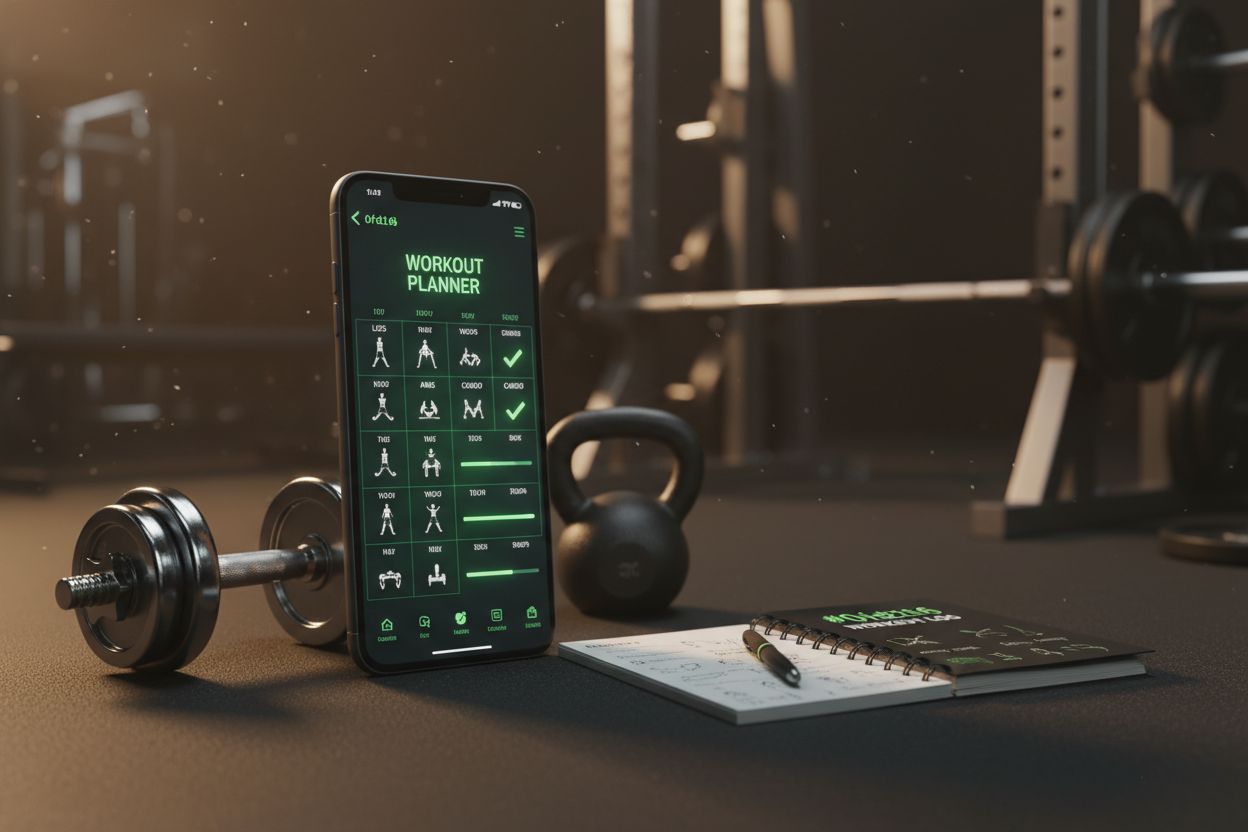
I focused on apps that make weekly planning easier, not just apps that count sets. That means things like program libraries, custom routines, rescheduling, rest timers, progression tools, and clear pricing or free tiers. I also gave extra weight to apps that work across devices or let you change your plan as your training changes. (boostcamp.app)
If you want the shortest answer, here it is. Boostcamp is the strongest all-around choice for structured programs, JEFIT is great for highly customizable routines, Fitbod is the best fit if you want adaptive programming, Hevy gives you reusable plans with social and coaching-friendly tools, Setgraph keeps planning simple and organized, and Strong is the cleanest minimalist option. (boostcamp.app)
The 6 best apps for workout planning
1. Boostcamp
Best for: lifters who want a real plan from day one.
Boostcamp is the strongest app for workout planning if you want something structured instead of a blank calendar. The free version includes 11,000+ programs, most of the 130+ coach-designed library, a full workout tracker, RPE and RIR logging, a plate calculator, rest timers, PR tracking, and basic personal records. Boostcamp Pro starts from $4.99 per month and adds advanced analytics, personalized programs, and unlimited custom program creation. (boostcamp.app)
What makes it stand out is how well it connects planning and execution. You can follow a coach-designed program, build your own custom routine, or let the app handle the math between sessions with auto progression, so your plan keeps moving without needing a spreadsheet on the side. If you want a deeper framework for building repeatable training blocks, Setgraph Training Guide is a useful companion. (boostcamp.app)
2. JEFIT
Best for: people who want maximum control over the details of a routine.
JEFIT is a great pick when you want to design the plan yourself instead of being nudged into one style of training. The official planner page says you can build custom workouts or start from templates like 5x5, PPL, or full-body, filter by equipment and goals, and organize sessions by muscle group or training goal. JEFIT also lists 1,500+ exercises, mobile, watch, and web access, and a free Basic tier with custom workout routines. The Elite plan costs $12.99 per month or $69.99 per year. (jefit.com)
If your main priority is making a split that fits your week, JEFIT is strong because it lets you set rep ranges, rest times, and exercise order instead of locking you into a rigid flow. That makes it a smart choice for lifters who already know what they want and just need a clean way to organize it. For more on movement quality and programming basics, Core Principles & Techniques for Every Lifter is a good read. (jefit.com)
3. Fitbod
Best for: people who want the app to do the planning for them.
Fitbod is the best app for workout planning if you want adaptive workouts instead of a static template. Fitbod says it builds fully customized workouts based on your goals, fitness level, available equipment, performance history, recovery status, and training goals, and it also lets you set workout duration, such as 30, 45, or 60 minutes. Pricing shown on Fitbod’s site is $15.99 per month or $95.99 per year. (fitbod.me)
What separates Fitbod from simpler logbooks is the adaptive logic. The app says its recommendations are built around progressive overload, muscle recovery, and a proprietary algorithm, and it updates the plan session by session. That is a strong setup if you want the app to choose exercises while you focus on showing up and lifting. If you are trying to fine-tune your own split, Optimize Your Training pairs well with this kind of app. (fitbod.me)
4. Hevy
Best for: reusable routines with simple planning and good sharing tools.
Hevy is a strong middle ground if you want planning features without a heavy coaching system. Hevy’s official product page says it is a gym workout tracker and planner for iOS and Android, and its feature pages highlight routine creation, a routine library, exercise notes, automatic rest timers, supersets, a warm-up calculator, and a plate calculator. Hevy Trainer, its adaptive programming system, is a PRO feature at $2.99 per month, $23.99 per year, or $74.99 lifetime. (hevyapp.com)
Hevy works especially well if you like creating reusable routines, copying from your past workouts, or sharing plans with a coach or training partner. It is more flexible than a plain notebook and less opinionated than an AI-first planner, which makes it a solid choice for lifters who already know the split they want. For a broader take on training content, Fitness & Workout Tips is a helpful add-on resource. (hevyapp.com)
5. Setgraph
Best for: simple planning that stays close to the log.
Setgraph is a smart pick if you want a simple planner that stays close to the log. Its workout planner page says you can build structured routines for full body, upper/lower, or Push/Pull/Legs, set exercise targets, add notes and cues, and use an AI workout plan generator that tailors plans to your goals, schedule, and equipment. The public pages also show that you can adjust workouts over time, organize exercises by muscle group, and keep workout history in one place. (setgraph.app)
That makes Setgraph appealing for lifters who want planning without extra clutter. It leans toward clean routine organization, set targets, and fast logging rather than a sprawling feature set, which is exactly what many people want once they stop overcomplicating their training. If you want to see how users describe the experience in practice, Setgraph App Reviews (2025) is a useful place to start. (setgraph.app)
6. Strong
Best for: minimalist planning with a reliable log.
Strong is the best app for workout planning if you like a minimalist logbook with enough scheduling muscle to keep you organized. The official site says Strong is free forever, available on iPhone, Android, and Apple Watch, and includes workout scheduling, supersets, custom exercises, CSV export, Apple Health support, RPE, advanced charts, body part measurements, workout sharing, and custom timers. (strong.app)
Strong is not the most guided planner on this list, but that is also why some lifters like it. If you already know your split and mainly want to track it cleanly, Strong gives you enough structure to stay organized without pushing a program on you. It is the kind of app that fades into the background, which can be exactly what a consistent routine needs. (strong.app)
How to choose the right app for your training style

If you want the app to hand you a complete program, start with Boostcamp or Fitbod. Boostcamp is stronger if you want proven programs with a deep free library, while Fitbod is better if you want the app to adapt every session around recovery and available equipment. (boostcamp.app)
If you prefer to build your own split, JEFIT and Hevy make more sense. JEFIT gives you template-driven planning with lots of room to customize the order, rest, and equipment, while Hevy is ideal when you want a reusable routine library and an easier path to sharing or editing workouts. (jefit.com)
If you want the least friction possible, Strong and Setgraph are easier to live with. Strong is the simplest pick for people who mainly need a clean schedule and a reliable log, while Setgraph is a better fit if you want a light planner that still supports structured routines and target setting. (strong.app)
A few practical rules help narrow the choice fast:
Pick an app that matches your experience level.
Make sure it supports your equipment, especially if you train at home.
Do not pay for advanced AI if you already know exactly how you want to train.
Look for easy rescheduling, rest timers, and progress tracking, because those are the features you will feel every week.
FAQ
What is the best free app for workout planning?
Boostcamp is the strongest free option if you want actual programming, because the free tier includes 11,000+ programs and the full tracker. JEFIT is another solid free choice with custom routines and 1,400+ exercises, while Strong is free forever if you mainly want a minimalist log with scheduling. (boostcamp.app)
Can a workout planning app replace a personal trainer?
For many lifters, yes on programming, no on hands-on coaching. Apps like Fitbod, Boostcamp, and Hevy can build or adapt sessions, but they cannot watch your form, correct technique in real time, or account for every injury history detail the way a good coach can. (fitbod.me)
Which app is best for beginners?
JEFIT and Boostcamp are the easiest places to start if you want structure without guessing. JEFIT has templates like 5x5, PPL, and full-body, and Boostcamp lets beginners choose from its coach-designed programs and follow the workout step by step. (jefit.com)
Which app is best if I already know my program?
Strong is the cleanest choice if you already have your own split and just want to log it, while Hevy is a better fit if you want reusable routines and more sharing or coaching features. (strong.app)
If I had to choose one best app for workout planning overall, I would pick Boostcamp for most lifters because it combines structured programs, built-in tracking, and strong free value. JEFIT is the best all-around alternative for customization, Fitbod is the smartest choice for adaptive programming, and Strong or Setgraph make sense if you want planning to stay light and simple. The best app is the one that matches your real training routine and keeps you consistent week after week. (boostcamp.app)
Article created using Lovarank