Gym Progress Tracker App: 8 Features That Actually Help You Improve

A gym progress tracker app is most useful when it removes friction from training. The point is not to turn every workout into a data project, but to make it easy to log what you did, compare it with last time, and decide what to do next. That matters because self-monitoring tools and user-friendly technology have been used to support physical activity, and ACSM’s 2026 resistance-training guidance emphasizes consistency over complicated programming. (pubmed.ncbi.nlm.nih.gov)
1. It makes logging fast enough to use mid-workout
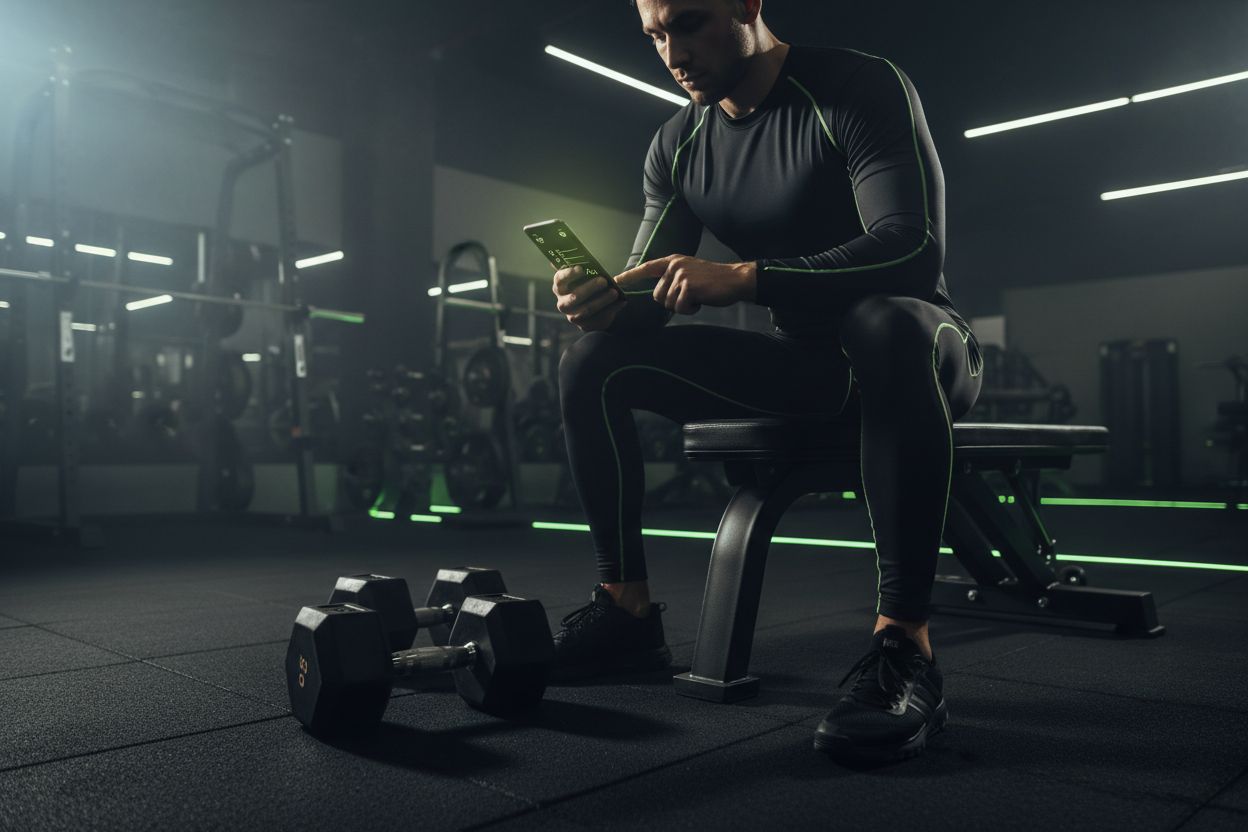
If an app slows you down, you stop trusting it. A good gym progress tracker app should let you record a set in a few taps so you can keep training without breaking your rhythm. Setgraph’s workout log feature says you can swipe to log reps and weight, pull straight from history, and add notes, which is exactly the kind of workflow that makes a log feel usable in real time. (setgraph.app)
Tracking works best when it feels lighter than pen and paper, not heavier. The easier the log is to open and fill out, the more likely you are to keep enough detail to make your next session smarter. (pubmed.ncbi.nlm.nih.gov)
2. It shows progress in a way you can actually read
A tracker that only stores raw numbers is basically a notebook. A better one turns the notebook into a story, so you can see whether a lift is moving up, stalling, or bouncing around because of fatigue or poor recovery. Setgraph’s workout tracker page says its correlation charts and other tools show how weight and reps evolve over time, and its set filters let you compare performance across different rep ranges and weight ranges. (setgraph.app)
That matters because if you are reviewing the last six weeks of training, you want to know more than the final number on the screen. You want context, trend lines, and a clean history that helps you answer one question: is this program actually working? (setgraph.app)
3. It helps you apply progressive overload without guessing
Progressive overload is one of the main reasons lifters use a tracker in the first place. Recent resistance-training literature describes progressive overload as the gradual increase of stress placed on the body, and it often quantifies that increase with total training volume, meaning sets × repetitions × load. ACSM’s 2026 update also says the biggest gains come from consistency, and that strength work tends to use heavier loads for 2 to 3 sets per exercise, while hypertrophy work leans on higher weekly volume. (pubmed.ncbi.nlm.nih.gov)
A good gym progress tracker app should make those changes obvious. Setgraph’s homepage says it compares your current set with your last session in real time, including percentage changes in reps, weight per rep, volume, and sets, which makes it easier to see whether you added a rep, a plate, or just a better session. (setgraph.app)
4. It keeps your workouts organized before you get to the gym
The best tracker apps do more than record what happened. They help you plan what should happen next. Setgraph’s workout planner page says you can build and follow a workout plan that matches your goals, create structured routines for the gym or home, and organize training as full body, upper/lower, or push/pull/legs. It also says its AI workout plan generator personalizes plans based on your goals, schedule, and equipment. (setgraph.app)
That kind of structure matters because the strongest fitness plans are usually the ones you can repeat. ACSM’s 2026 guidance puts a lot of weight on consistency, which is another way of saying that a simple plan you follow week after week is better than a perfect plan you abandon after two sessions. (acsm.org)
5. It gives you a useful 1RM and PR picture
For strength-focused lifters, one-rep max estimates are more than a vanity metric. They help you estimate loading, compare blocks of training, and decide whether today should be a heavy day or a moderate one. Setgraph’s 1RM calculator page says you can choose among Epley, Brzycki, Lander, O’Connor, or an averaged blend, and that when you record a one-rep set that beats your current best, the app can update your max automatically. (setgraph.app)
That kind of feature is especially useful if you train around percentages or follow a strength block with planned intensities. A gym progress tracker app should not just tell you that you hit a PR. It should help you understand what that PR means for the next workout. (setgraph.app)
6. It adapts to the way you actually train
Not every lifter wants the same setup. A powerlifter may care most about barbell lifts and 1RM estimates, while a bodybuilder may care more about weekly volume and exercise history. Someone doing upper/lower splits, push/pull/legs, or home workouts needs a tracker that fits the program instead of forcing a rigid template. Setgraph’s tracker page says you can filter workout history by rep ranges or weight ranges, and its planner page says it supports full body, upper/lower, and push/pull/legs routines. (setgraph.app)
This is where many apps fall short. They can log a session, but they cannot help you compare the kind of training you actually do. If your app makes it easy to separate heavy days from high-rep days, you will get a much clearer picture of how your training is changing. (setgraph.app)
7. It keeps the important context attached to each session
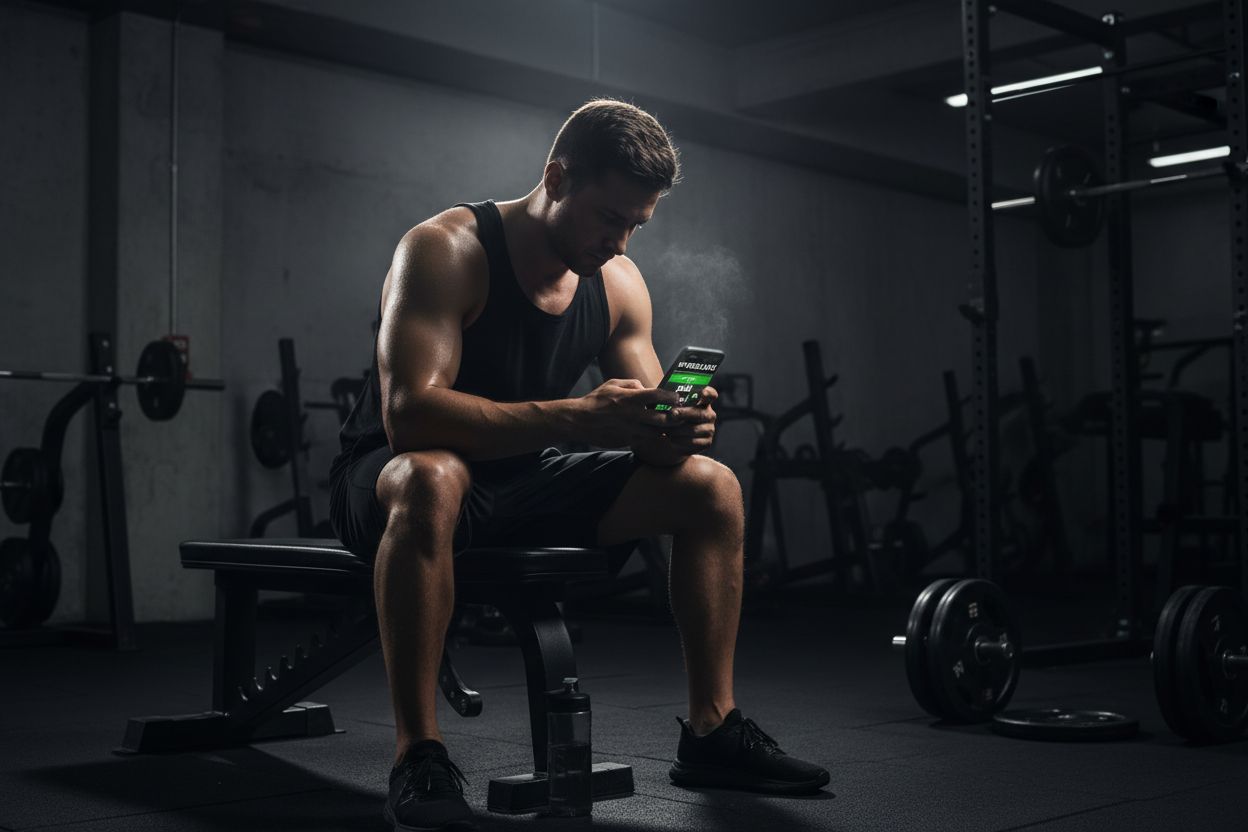
The number on the bar is only part of the story. Rest time, exercise notes, and small technique cues often explain why one workout felt great and the next one felt flat. Setgraph’s official pages say the app supports notes in the workout log, and its 1RM page says a rest timer lets you get a notification when it is time for the next set, with optional custom rest periods for specific exercises. (setgraph.app)
That matters when you look back weeks later and wonder why the same weight felt harder. If the app remembers how the session felt, you can make better adjustments the next time around. (setgraph.app)
8. It should be simple enough for beginners and flexible enough for advanced lifters
A lot of people think they need a complicated app. Usually, they need the opposite. Beginners often benefit most from quick logging, a clean workout history, and a simple plan that removes decision fatigue. More advanced lifters usually want volume tracking, PR history, 1RM estimates, and the ability to compare sessions across phases. ACSM’s 2026 guidance says the best resistance-training program is the one you will stick with, and it also recommends tailoring load and volume to the goal instead of chasing complexity for its own sake. (acsm.org)
If you are comparing options, look for these features in the same order:
fast workout entry
clear history and charts
planner support for your split
volume, PR, or 1RM tracking
notes and rest timers
enough flexibility to match your training style
That simple checklist covers most lifters without turning the app into a dashboard you never open. (setgraph.app)
How to choose the right gym progress tracker app
If you only care about the basics, start with speed and simplicity. If you cannot log a set in a few seconds, the app will not survive a hard training block. If you are chasing strength, choose an app that makes 1RM and PR tracking easy. If you are chasing muscle growth, make sure the app helps you see weekly volume and session-to-session changes. If you train at home or across multiple split styles, look for planner support and enough customization to match your routine. ACSM’s guidance reinforces the idea that consistency and goal-based programming matter more than flashy features. (acsm.org)
For a concrete example, Setgraph’s official pages show the kind of feature mix that works well for real training, including fast workout logging, progress tracking, structured planning, and 1RM tools. (setgraph.app)
FAQ
What should a gym progress tracker app track?
At minimum, it should track the exercise, sets, reps, load, and enough history to compare one session with the next. If it also supports notes, volume, PRs, or 1RM estimates, that gives you much better context when you review progress later. (setgraph.app)
Do I need to track every set?
Not necessarily. Many lifters only need to track the working sets that matter for progression, as long as the app gives them a reliable picture of what changed from week to week. The important part is consistency, because training volume and overload are usually what you compare over time. (pubmed.ncbi.nlm.nih.gov)
Is a gym progress tracker app useful for beginners?
Yes. Beginners often benefit the most because a tracker reduces guesswork and makes it easier to repeat good sessions. Research on self-monitoring and technology suggests these tools can support physical activity, and the simplest app is often the one you will keep using. (pubmed.ncbi.nlm.nih.gov)
A gym progress tracker app should do one job very well, which is to make your training easier to repeat, review, and improve. If it can log sets quickly, show real progress, support a clear plan, and keep strength metrics like volume and 1RM easy to understand, it will earn its place on your phone. Setgraph’s official feature pages show that mix in practice with a workout log, tracker, planner, and 1RM tools, which is a useful benchmark when you compare apps. (setgraph.app)
Article created using Lovarank