Workout Plan for Weight Loss Female: Your Complete Guide to Burning Fat and Building Strength

Losing weight as a woman involves more than just showing up to the gym and working hard. Your hormones, metabolism, muscle mass, and recovery all play interconnected roles that most generic fitness advice completely ignores. The good news? Once you understand how your body actually responds to exercise, building a workout plan for weight loss that works becomes a lot more straightforward.
This guide covers everything from the science behind female fat loss to two complete weekly training plans, progressive overload, nutrition basics, and how to track real progress beyond what the scale tells you.
How Exercise Drives Fat Loss in Women
At its core, fat loss happens when your body burns more calories than it consumes. Exercise contributes to this in two meaningful ways: the calories you burn during the session itself, and the elevated calorie burn that continues for hours afterward.
That second effect is called Excess Post-Exercise Oxygen Consumption, or EPOC. After intense exercise, your body needs extra oxygen to restore muscle tissue, clear metabolic byproducts, and return to baseline. This process burns additional calories for anywhere from 14 to 36 hours after a workout, depending on session intensity.
Strength training is particularly effective for women because it builds lean muscle tissue, and muscle is metabolically active. Even at rest, each pound of muscle burns roughly 6 calories per day compared to about 2 calories per pound of fat. It is not a dramatic number in isolation, but gaining 5 to 8 pounds of muscle while losing fat meaningfully shifts your resting metabolism over time.
Menstrual cycle phase also affects your training capacity. During the follicular phase (roughly days 1 to 14), estrogen rises and your body tolerates higher training intensity and volume better. During the luteal phase (days 15 to 28), progesterone climbs and recovery slows slightly, making moderate-intensity sessions and extra rest days more appropriate. Aligning your hardest workouts with your follicular phase and your recovery-focused days with your luteal phase is a simple strategy that most workout plans completely overlook.
The Best Exercises for Female Fat Loss
Compound movements that work multiple muscle groups at once deliver the best return on your training time. They burn more calories per set, stimulate more muscle tissue, and trigger a stronger hormonal response than isolation exercises.
Lower Body
Squats are the foundation of any solid fat loss plan for women. They work the quads, glutes, hamstrings, and core simultaneously. Start with a goblet squat (holding a dumbbell at your chest) before progressing to a barbell back squat.
Romanian Deadlifts target the hamstrings and glutes through a long range of motion, making them excellent for building the posterior chain. Estimated calorie burn: approximately 8 to 10 calories per minute for a 140-pound woman.
Hip Thrusts isolate the glutes more effectively than almost any other movement and are easy to load progressively. Use a barbell, dumbbell, or resistance band depending on your setup.
Lunges (reverse, walking, or lateral) challenge balance and single-leg stability while working the quads, glutes, and hamstrings. These can be done anywhere without equipment.
Upper Body
Dumbbell Rows strengthen the back and biceps and are accessible to complete beginners. One arm at a time means you can identify and correct strength imbalances early.
Overhead Press builds the shoulders and triceps and directly improves posture, which matters more as you add loading to squats and deadlifts.
Push-Ups (or incline push-ups for beginners) are a free, effective chest and tricep exercise. Progressing from incline to flat to decline push-ups provides months of challenge without equipment.
Full-Body / Cardio
Kettlebell Swings are one of the most efficient fat-burning exercises available. The hip hinge pattern, explosive extension, and cardiovascular demand combine to burn roughly 20 calories per minute in trained individuals.
HIIT Intervals (sprints, bike intervals, jump rope) maximize EPOC and can be completed in 20 minutes or less. Research published in the Journal of Obesity found that HIIT produces significantly greater reductions in total body fat compared to steady-state cardio in the same time period.
Steady-State Cardio (brisk walking, cycling, swimming) still has a place in a fat loss plan, particularly during the luteal phase or active recovery days. A 30-minute brisk walk burns approximately 140 to 160 calories for a 140-pound woman and lowers cortisol rather than raising it.
Two Complete Weekly Workout Plans
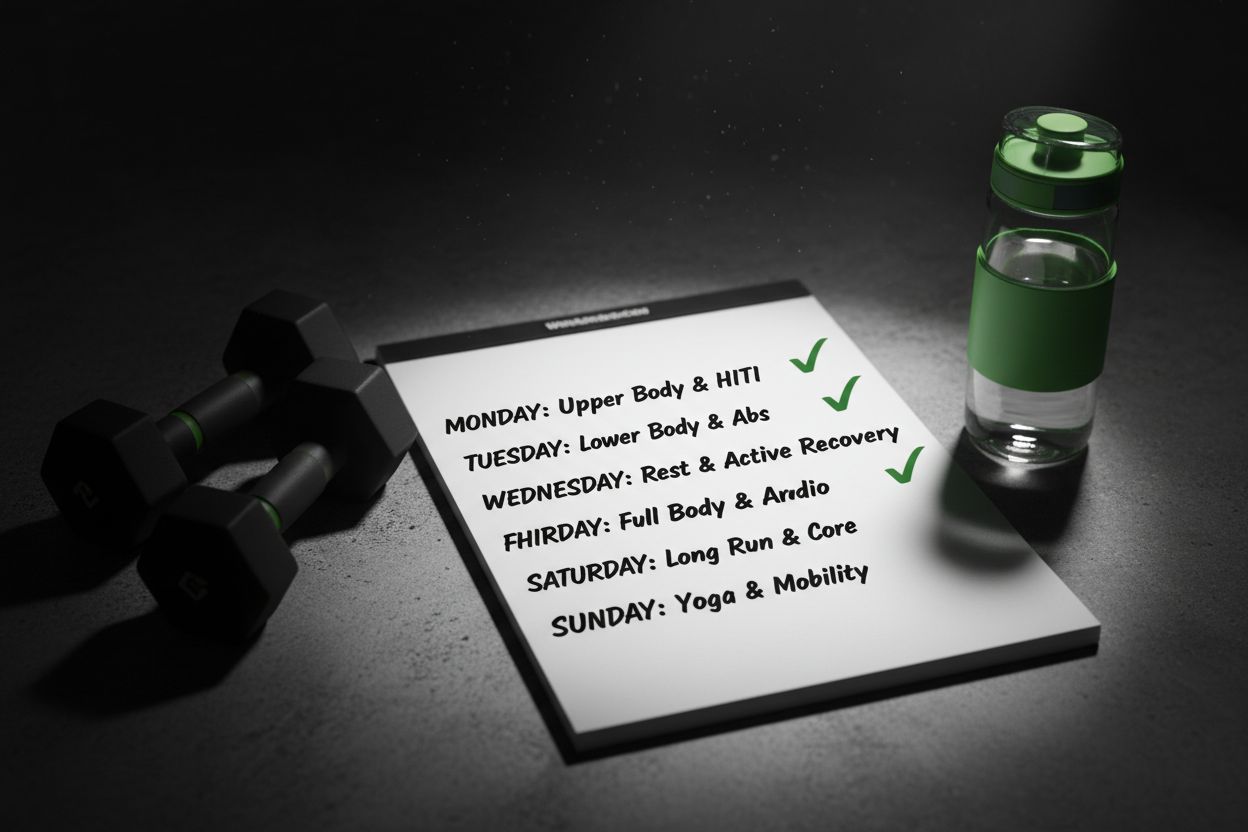
Choose the plan that matches your current fitness level. Both plans include strength training, cardio, and built-in recovery.
Beginner Plan (3 Days Per Week)
Day | Session | Focus |
|---|---|---|
Monday | Strength A | Full body (squats, rows, push-ups) |
Tuesday | Rest or walk | Active recovery |
Wednesday | Cardio | 25–30 min brisk walk or light cycling |
Thursday | Rest | Full recovery |
Friday | Strength B | Full body (deadlifts, overhead press, lunges) |
Saturday | Rest or walk | Active recovery |
Sunday | Rest | Full recovery |
Strength A (Beginner):
Goblet Squat: 3 sets x 10 reps
Dumbbell Row: 3 sets x 10 reps each side
Incline Push-Up: 3 sets x 8–12 reps
Glute Bridge: 3 sets x 15 reps
Plank Hold: 3 x 20–30 seconds
Strength B (Beginner):
Romanian Deadlift: 3 sets x 10 reps
Dumbbell Overhead Press: 3 sets x 10 reps
Reverse Lunge: 3 sets x 10 reps each leg
Lat Pulldown or Assisted Pull-Up: 3 sets x 10 reps
Dead Bug: 3 sets x 8 reps each side
Intermediate Plan (5 Days Per Week)
Day | Session | Focus |
|---|---|---|
Monday | Strength: Lower | Squats, hip thrusts, lunges |
Tuesday | HIIT Cardio | 20 min intervals |
Wednesday | Strength: Upper | Press, row, pull |
Thursday | Steady-State Cardio | 30–40 min walk or cycling |
Friday | Strength: Full Body | Deadlifts, compound circuit |
Saturday | Active Recovery | Yoga, stretching, walking |
Sunday | Rest | Full recovery |
Sets and reps: 3 to 4 sets of 8 to 12 reps for strength sessions, with 60 to 90 seconds rest between sets.
For the HIIT sessions, a simple structure is 30 seconds of hard effort (sprint, bike sprint, jump rope, or burpees) followed by 30 to 60 seconds of rest, repeated for 8 to 10 rounds. Total session time including warm-up: 25 to 30 minutes.
Tracking your sessions helps you stay accountable and progress intentionally. Apps like Setgraph let you log sets, reps, and weights so you always know what you lifted last week and whether you are improving.
Progressive Overload: The 4-Week Progression Plan
Progressive overload means consistently increasing the demand placed on your muscles so they continue to adapt. Without it, your body plateaus and fat loss stalls. Here is a simple four-week roadmap:
Week | Approach |
|---|---|
Week 1 | Learn the movements. Use light weight. Focus on form and full range of motion. |
Week 2 | Add 5% more weight on your main lifts (squat, deadlift, press). Add 1 rep per set where possible. |
Week 3 | Add another 5% weight. Add a fourth set to your primary exercises. |
Week 4 (Deload) | Reduce weight by 10–15%. Keep the same exercises. Let your body consolidate adaptations. |
Repeat this four-week cycle, and each new cycle should start slightly heavier than the last. Over 12 weeks, most women add 20 to 40% to their starting weights on key lifts, which dramatically increases the calorie demand of each session and improves body composition even when the scale moves slowly.
For structured guidance on technique before adding load, the core principles and techniques resource on Setgraph covers foundational lifting mechanics worth reviewing.
Nutrition Basics That Support Your Workout Plan
No workout plan works without reasonable nutrition habits. You do not need to follow a complicated diet, but a few principles make a meaningful difference.
Protein is the most important variable. Research consistently shows that women in a calorie deficit need between 0.7 and 1.0 grams of protein per pound of body weight daily to preserve muscle while losing fat. For a 145-pound woman, that means roughly 100 to 145 grams of protein per day. Good sources include chicken, fish, eggs, Greek yogurt, cottage cheese, legumes, and protein shakes.
Create a moderate calorie deficit. A deficit of 300 to 500 calories below your total daily energy expenditure is the sweet spot. Larger deficits tend to cause muscle loss, fatigue, and hormonal disruption in women. To estimate your needs, multiply your body weight in pounds by 14 to 15 (this gives a rough maintenance estimate for moderately active women), then subtract 300 to 500.
Meal timing around workouts matters. Eating 20 to 30 grams of protein within two hours after training supports muscle repair and recovery. A pre-workout snack containing carbohydrates (fruit, rice cakes, oats) eaten 30 to 60 minutes before training provides readily available energy for high-intensity sessions.
Hydration is underrated. Even mild dehydration (1 to 2% of body weight) impairs strength output and cardiovascular performance. Aim for at least half your body weight in ounces of water daily, and more on training days.
Tracking Progress Beyond the Scale
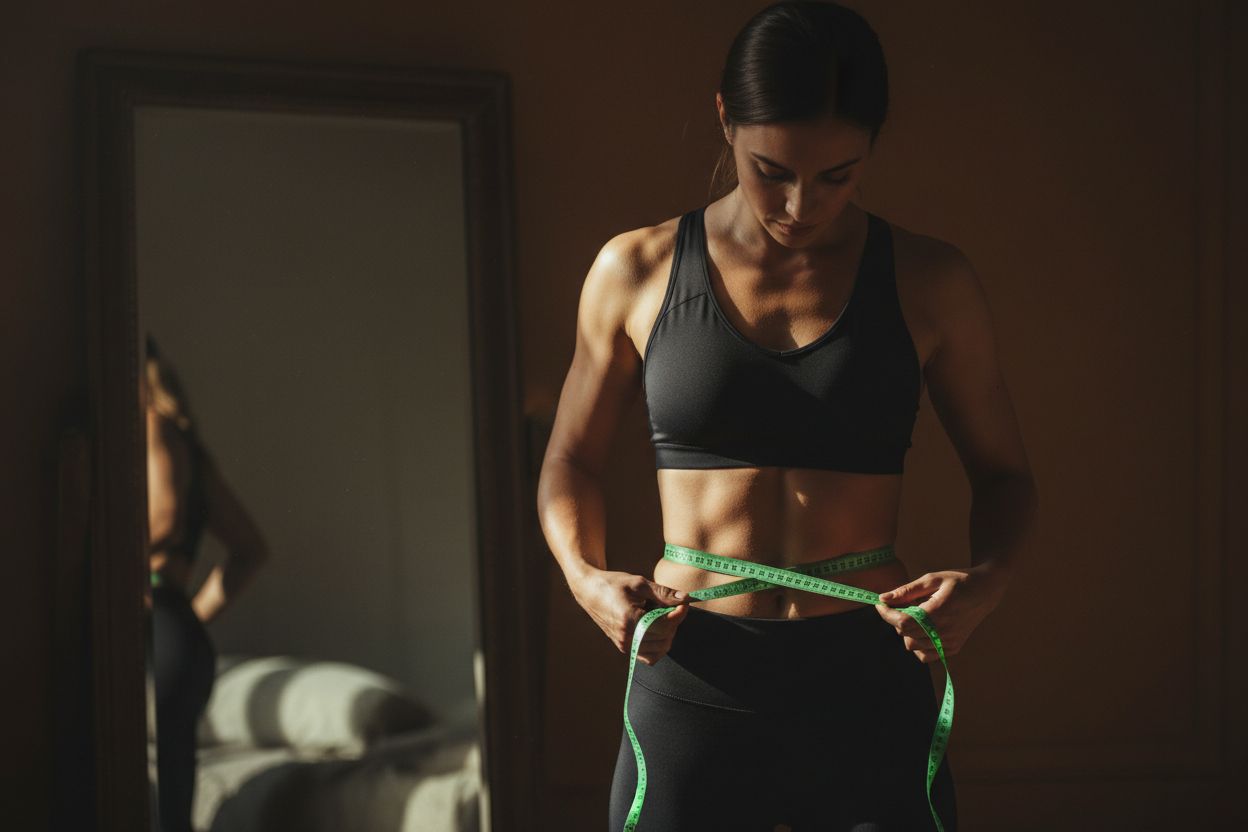
One of the most frustrating experiences in a fat loss program is losing inches while the scale barely moves. This happens because muscle tissue is denser than fat. As you build muscle and lose fat simultaneously, your weight can stay flat while your body composition improves significantly.
Here are the most useful non-scale tracking methods:
Body measurements: Measure your waist, hips, thighs, and upper arms every two weeks. A shrinking waist measurement with a flat scale is a clear sign the program is working.
Progress photos: Take photos in the same lighting, same time of day, every two to four weeks. Visual changes that feel imperceptible day-to-day become obvious over months.
Strength gains: Logging your lifts tells you directly whether your muscle tissue is responding. Adding weight to your deadlift is a meaningful marker of progress regardless of what the scale says.
Energy and endurance: Notice whether the same workout feels easier over time. Improved cardiovascular fitness and muscular endurance are genuine signs of adaptation.
How your clothes fit: Your jeans telling you more than your scale is a cliché because it is consistently true.
Using a workout tracker makes the strength and performance data effortless to review. Setgraph reviews from real users highlight how consistently logging workouts helps women stay motivated through plateaus by showing concrete strength improvements even when the scale stalls.
Sleep, Recovery, and Why They Determine Your Results
Sleep is not optional in a fat loss program. During deep sleep, your body releases growth hormone, which drives muscle repair and fat metabolism. Poor sleep elevates cortisol, a stress hormone that promotes fat storage (particularly around the abdomen) and breaks down muscle tissue.
A 2010 study published in the Annals of Internal Medicine found that dieters who slept 8.5 hours per night lost 55% more fat and 60% less muscle than those who slept 5.5 hours, even on the same calorie deficit. Sleep quality is a direct fat loss variable, not a bonus.
For recovery between training sessions:
Rest days are mandatory, not optional. Muscles do not grow during training; they grow during recovery. The beginner plan includes four recovery days for this reason.
Foam rolling and stretching for 10 minutes post-workout reduces delayed onset muscle soreness and maintains joint range of motion. Focus on the hips, quads, hamstrings, and thoracic spine.
Manage stress outside the gym. Chronic psychological stress raises cortisol and directly competes with your fat loss goals. Walking, meditation, and adequate social connection all support healthy cortisol levels.
Modifications for Different Life Stages
Women in their 20s and 30s generally tolerate higher training volume and recover faster. The intermediate five-day plan is appropriate and can progress to more advanced splits over time.
Women in their 40s begin to experience gradual declines in estrogen, which affects recovery and muscle retention. Prioritizing protein, strength training at least three days per week, and adequate sleep becomes increasingly important during this decade.
Perimenopause and menopause (typically 45 to 55+) brings greater hormonal fluctuation. Resistance training is particularly valuable here for preserving bone density, which declines with estrogen loss. Lower-impact cardio options like cycling and swimming protect joints while maintaining cardiovascular fitness. A four-day plan combining strength and moderate cardio works well for most women in this stage.
Postpartum women should receive medical clearance before returning to exercise, typically six weeks after vaginal delivery and eight to twelve weeks after a cesarean section. Pelvic floor rehabilitation with a physiotherapist is recommended before resuming high-impact activities. Starting with the beginner plan, focusing on core and glute strength, is a safe and effective approach.
Frequently Asked Questions
How long before I see results on this plan?
Most women notice improved energy and better-fitting clothes within two to three weeks. Visible changes in body composition typically appear at four to six weeks with consistent training and nutrition. Significant transformation over three to four months is realistic.
Should I do cardio or strength training first?
For fat loss, perform strength training first when you have maximum energy. Cardio afterward, or on separate days, avoids compromising strength output on your main lifts.
Will lifting weights make me look bulky?
No. Women have significantly lower testosterone levels than men, which limits muscle hypertrophy. Strength training produces a leaner, more defined appearance rather than a bulky one. The fear of bulking from lifting weights is one of the most persistent myths in women's fitness.
What if I hit a plateau?
Plateaus happen to everyone. First, check whether you are actually tracking your intake accurately, as portion sizes tend to drift upward over time. Second, vary your training stimulus by changing exercises, rep ranges, or session structure. Third, ensure sleep and recovery are adequate. If all three are in order and progress has stalled for more than three weeks, consider a one-week diet break at maintenance calories before resuming your deficit.
Can I do this plan at home without a gym?
Yes. Squats, lunges, push-ups, glute bridges, and bodyweight rows (using a table or low bar) cover the major movement patterns. Resistance bands and a set of adjustable dumbbells extend the program significantly. The beginner plan in particular translates almost entirely to a home setting.
How many calories does each type of workout burn?
For a 140-pound woman: HIIT burns approximately 300 to 400 calories per 30-minute session, strength training burns approximately 180 to 250 calories per 45-minute session, brisk walking burns approximately 150 to 180 calories per 30 minutes, and cycling at moderate intensity burns approximately 210 to 280 calories per 30 minutes. These figures vary with intensity and individual fitness levels.
Putting It All Together
A workout plan for weight loss for women works best when it combines progressive strength training, strategic cardio, adequate protein, and real recovery. Starting with the beginner three-day plan and advancing to the five-day intermediate plan over eight to twelve weeks gives your body time to adapt without burning out.
Track what matters: your lifts, your measurements, your energy, and your consistency. Those numbers tell a more complete story than the scale ever will. For more training guides and tips, the Setgraph fitness and workout articles hub is a useful ongoing resource as you build on the fundamentals.
The most effective plan is always the one you can stick with. Start where you are, progress consistently, and give your body the recovery it needs to actually change.
Article created using Lovarank