Tracking Your Workout: A Practical Guide to Metrics, Methods, and Progress
Tracking your workout works best when you treat it like a feedback loop. Write down what you did, compare it with the previous session, and use the difference to decide what to change next time. That approach lines up with public health guidance to keep track of activity, set goals, and build up gradually, whether you log on paper or in an app. (odphp.health.gov)
You do not need a complicated system to get useful information. A good workout log is simple enough to use in the gym, specific enough to show progress, and flexible enough to handle strength training, cardio, classes, or home sessions. If your logging tool becomes a chore, you will stop using it, which defeats the point.
What tracking your workout actually means
At the simplest level, tracking your workout means recording the work you completed, not just the workout you planned. For some people that is as basic as exercise name, sets, reps, and weight. For others it also includes pace, heart rate, rest time, or how hard the session felt. The goal is to capture enough detail to repeat the session later and make a smarter adjustment next time. ODPHP says you can keep track of activity on paper or with an app and then set higher goals as you become more active. (odphp.health.gov)
If you like a dedicated lifting log, the Setgraph workout tracker gym log app is one option to look at. Its official site describes quick set logging, notes, history-based entry, correlation charts, and an AI workout generator. For a closer look at user feedback, see Setgraph App Reviews (2025): User Ratings for Tracking Sets, Reps & Workouts. (setgraph.app)
The metrics that matter most
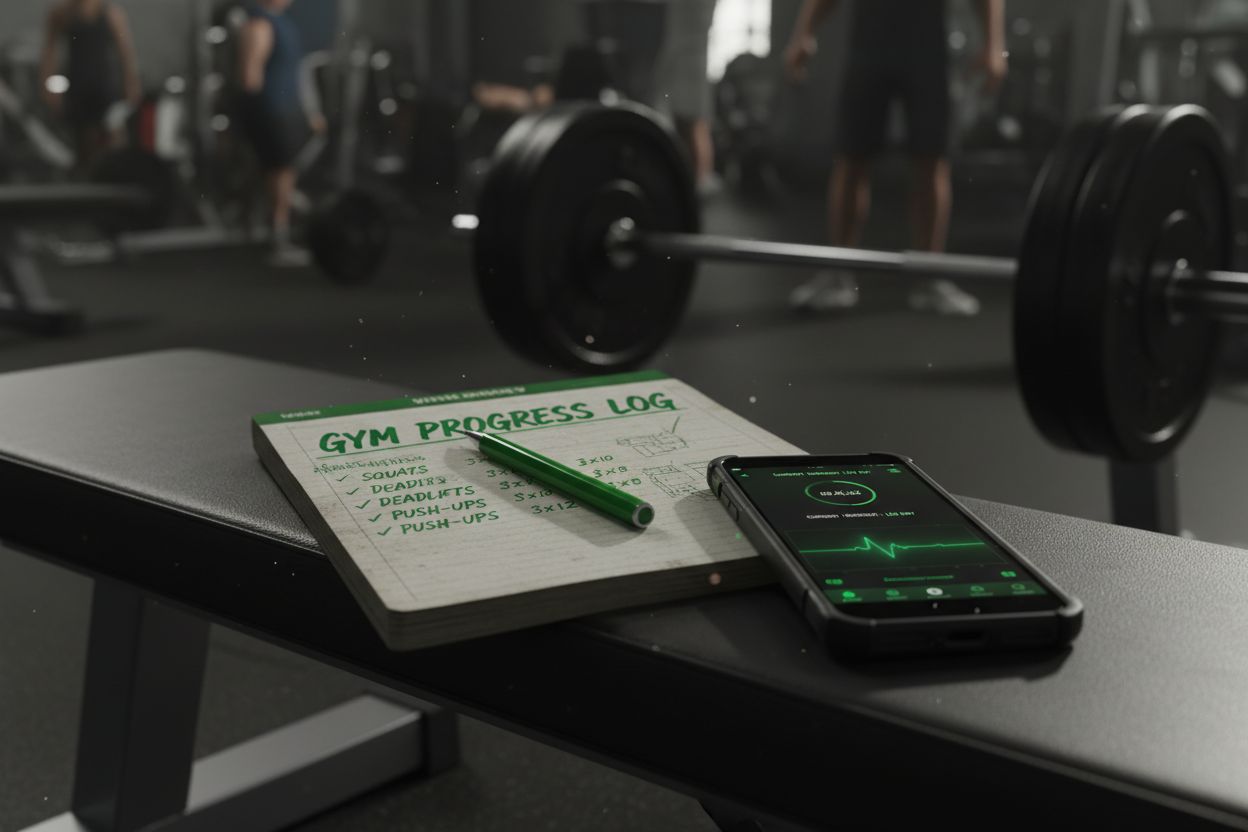
The right metrics depend on your goal. CDC notes that exercise intensity can be judged by heart rate, breathing, a 0 to 10 effort scale, or the talk test, where moderate activity lets you talk but not sing and vigorous activity leaves you able to say only a few words. (cdc.gov)
Strength training
For lifting, focus on the numbers that show overload and recovery.
Exercise name and variation. Squat, leg press, dumbbell bench, barbell row, and cable fly are all different enough to matter.
Sets and reps. These show how much work you completed and make it easier to repeat or build on the session later.
Load. Track the exact weight, resistance setting, or machine pin position.
Rest time. If performance changes when rests get shorter or longer, that is useful information.
RPE or effort. Use a 0 to 10 scale so you can tell whether a session felt easy, moderate, or near-maximal.
Notes. Record form cues, pain, equipment changes, or anything that affected the lift.
Personal records. A rep PR, load PR, or total-volume PR can all matter.
If you want more lifting structure, Core Principles & Techniques for Every Lifter is a useful companion.
Cardio and endurance
For running, cycling, walking, rowing, or swimming, track the variables that make pace meaningful.
Duration. How long you worked.
Distance. Helpful for runs, rides, walks, and swims.
Pace or split times. This is one of the clearest signs of progress.
Heart rate or perceived effort. Use whichever is easiest to repeat.
Route, incline, or weather. A flat indoor treadmill run is not the same as a windy outdoor route.
Effort zone. Note whether the session felt moderate or vigorous.
The American Heart Association and WHO both recommend regular moderate or vigorous activity, so tracking duration and intensity makes it easier to see whether you are hitting a workable weekly pattern. (heart.org)
HIIT, classes, and home workouts
These sessions are easy to undercount, so keep a note of what made them hard.
Work interval and rest interval. Example: 40 seconds on, 20 seconds off.
Number of rounds. This matters more than people think.
Movement list or circuit order. Burpees, kettlebell swings, mountain climbers, and push-ups can feel very different even inside the same class.
Modifications used. A scaled movement is still a valid workout.
RPE. A short but brutal session may deserve a high effort score even if the total time was low.
Anything that broke down. If your breathing, form, or coordination faded early, that belongs in the log.
Recovery and readiness
A good log does not stop at the final set. It also tells you why a session felt strong or flat.
Sleep. A short note like 6 hours or slept well is enough.
Energy. This can be a simple low, medium, or high note.
Soreness. Track whether soreness is normal or unusually heavy.
Stress. Work stress and life stress often show up in training.
Joint pain or tightness. Small problems are easier to manage when you catch them early.
How to track your workout step by step
The easiest way to stay consistent is to use the same workflow every time. ODPHP recommends starting slowly if you are new, logging activity, and gradually raising goals as you go. (odphp.health.gov)
1. Choose the goal for this phase
Before you log anything, decide what this block is for. The goal might be strength, muscle growth, endurance, general fitness, weight loss support, or simply consistency. If you know the goal, you will know what information matters most.
2. Decide what you will actually track
Start with three to five metrics, not fifteen. A lifter might track exercise, sets, reps, load, and RPE. A runner might track time, distance, pace, and effort. A busy beginner might only need the session name, duration, and a short note.
3. Record the workout as you go
Do not wait until you get home if you tend to forget details. If you are in a strength session, log each working set or at least your top set and back-off sets. If you are doing cardio, note the finish time, distance, or interval pattern before you move on with your day.
4. Add a short note after you finish
One sentence is enough. Write down what felt easier than expected, what felt off, and whether you would repeat the same session again. Over time, those tiny notes help explain performance changes better than numbers alone.
5. Review the last session before the next one
This is where tracking starts to pay off. If you know what you did last time, you can make a clear decision today. Add a rep, add a little weight, keep the pace, shorten the rest, or hold steady and recover.
For more help with structure, Optimize Your Training | Expert Tips and Workout Guides and Setgraph Training Guide | Maximize Your Workout are useful next reads.
Choosing the best system for tracking your workout
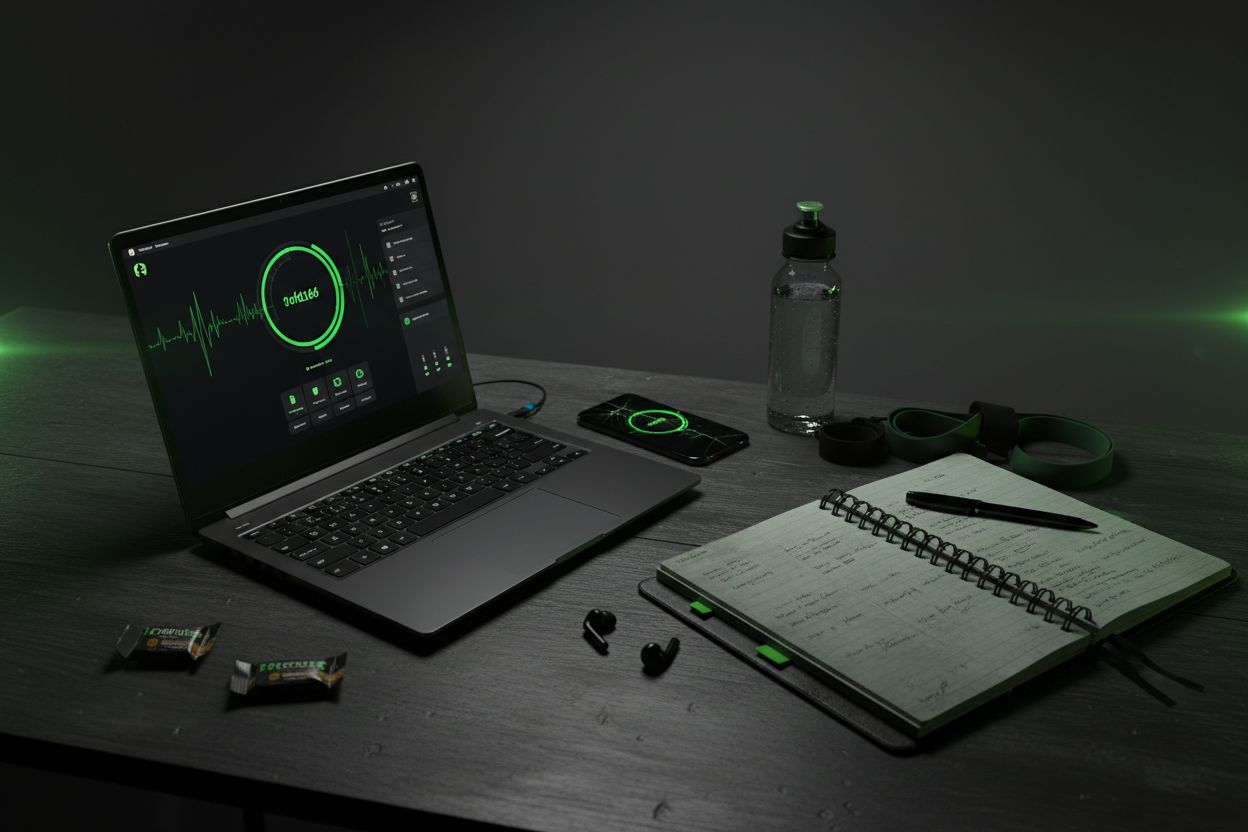
Paper, spreadsheets, apps, and wearables each solve a different problem. Pick the one that removes friction, not the one with the most features. ODPHP even says you can keep track on paper or use an app, which is a good reminder that the best system is the one you will actually use. (odphp.health.gov)
Notebook
A notebook is fast, cheap, and easy to bring anywhere. It is a strong choice if you mainly lift and want something simple. The downside is that it is harder to search, chart, or compare long-term trends.
Spreadsheet
A spreadsheet is ideal if you love customization. You can calculate weekly volume, average pace, or personal bests with very little guesswork. The tradeoff is that entering data between sets can feel slow unless you keep the sheet extremely simple.
App
Apps usually give you the best balance of speed and structure. They can make logging faster, keep past sessions in one place, and show progress in a more visual way. If you compare apps, user feedback matters because the best tracker is the one that fits your real training style.
Wearable
A wearable is helpful for cardio, daily steps, and heart-rate-based intensity tracking. It is useful data, but it should support your workout log, not replace it. For lifting especially, your main training notes still matter more than the watch screen.
If you want an app that keeps the logging side simple, Setgraph’s official site says it supports fast set entry, notes, history-based logging, correlation charts, and an AI workout generator. That makes it a reasonable option for people who want a dedicated gym log without turning every session into a data-entry project. (setgraph.app)
How to turn workout data into better sessions
Tracking only matters if it changes what you do next. The simplest pattern is to compare like with like: same exercise, similar effort, similar conditions. Public guidance emphasizes gradual progression, and ODPHP gives simple examples such as adding a little more time or activity as you get stronger. (odphp.health.gov)
A few easy ways to use your log well:
If last week’s top set was hard, keep the same weight and try for one more rep next time.
If your run felt easier at the same pace, hold the pace and add a little distance or a little time.
If your workout quality drops for several sessions, check sleep, stress, and recovery before changing the program.
If consistency is the problem, simplify the log before you make the training harder.
If your notes keep mentioning the same pain or fatigue issue, treat that as data, not noise.
The goal is not to chase a personal record every day. It is to build a pattern you can repeat long enough to improve.
Common mistakes that make logs less useful
Tracking too much on day one. More detail is not always better. If logging becomes slow, consistency usually falls apart.
Writing things down later and guessing. Training memory fades fast, especially after hard sessions.
Mixing planned numbers with actual numbers. Keep the log honest so you can compare sessions correctly.
Changing units or equipment without noting it. A dumbbell incline press is not the same as a machine press.
Ignoring recovery notes. Sleep, soreness, and stress help explain why a good session felt easier or harder than expected.
Judging progress from one workout. Trends matter more than isolated days.
A simple workout tracking template you can copy
Example:
FAQ
What should I track in a workout?
Track the smallest set of numbers that helps you repeat and improve the session. For lifting that usually means exercise, sets, reps, load, and effort. For cardio, it usually means time, distance, pace, and intensity.
Is tracking your workout worth it?
If you want better consistency and clearer progress, yes. ODPHP recommends keeping track of activity and gradually raising goals as you become more active. (odphp.health.gov)
Can I track workouts without a smartwatch?
Yes. ODPHP says you can write it down or use an app, so a notebook or phone is enough if you stay consistent. (odphp.health.gov)
What is the easiest way to stay consistent?
Use the same template every session and keep it short. The best log is the one you actually finish.
What is a good app for lifting logs?
The best app is the one that makes logging fast and readable. If you want to explore one dedicated option, the official Setgraph site describes a workout tracker gym log app with quick set logging, notes, history-based entry, and progress charts. (setgraph.app)
Once your log is simple, consistent, and tied to a clear goal, tracking your workout stops feeling like admin and starts acting like a training tool. Start with a few core metrics, use the same method every session, and review the pattern before your next workout.
Article created using Lovarank