Push Pull Legs Exercises List: Complete 50+ Exercise Database and Routines
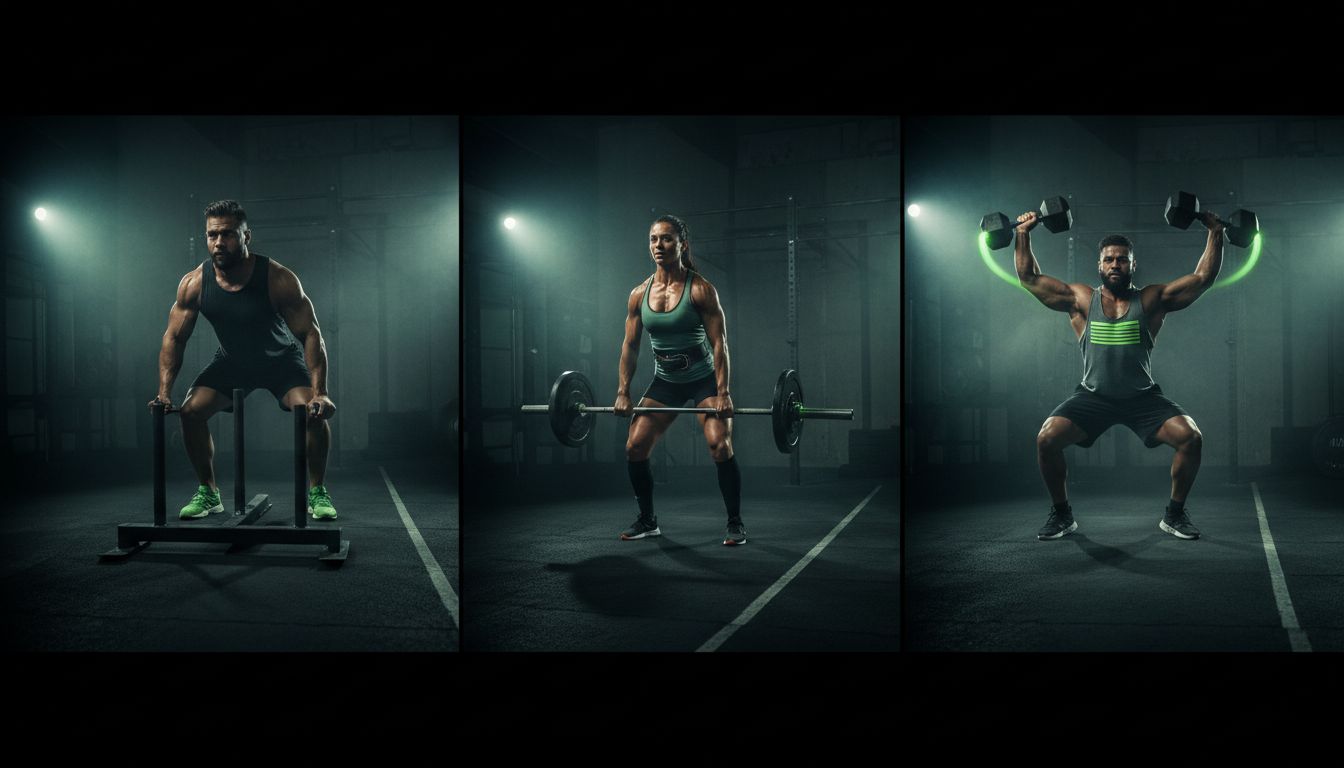
The push pull legs system is one of the most efficient ways to organize training because it groups movements by function and allows clear recovery windows. Below you will find a comprehensive push pull legs exercises list with 50+ options, equipment alternatives, form cues, sample routines for 3 to 6 days per week, and practical progression advice you can use this week.
What is Push Pull Legs?
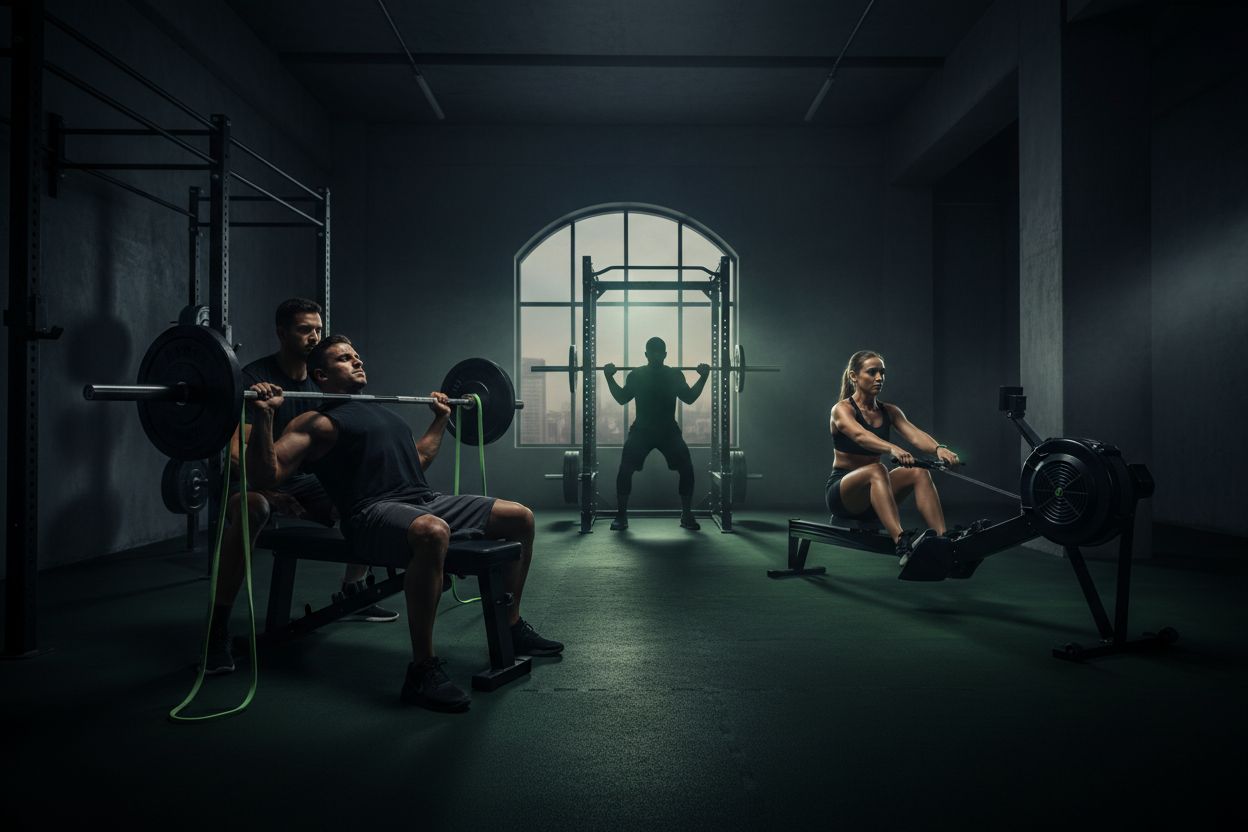
Push pull legs, often abbreviated PPL, is a training split that divides workouts into three categories: push (chest, shoulders, triceps), pull (back, biceps, rear delts), and legs (quads, hamstrings, glutes, calves). The main benefits are clear movement focus, easy recovery planning, and natural exercise pairing that reduces overlap and fatigue when done correctly.
Who it suits
Beginners who want a simple structure
Intermediate and advanced lifters who want to hit muscle groups more frequently
Anyone who likes organizing workouts by movement pattern rather than body part
How frequency works
3 days/week: one full PPL cycle per week (good for beginners)
4-5 days/week: common intermediate variation (extra rest or repeated days)
6 days/week: repeat PPL twice per week (best for higher volume and faster progress)
How to use this push pull legs exercises list
This guide is organized by day and primary muscle groups. Each exercise includes a difficulty rating, equipment needed, suggested sets x reps for common goals, and quick form cues. Where helpful, I include substitutions for limited equipment or injury-friendly options.
Push Day Exercises
Chest (Primary)
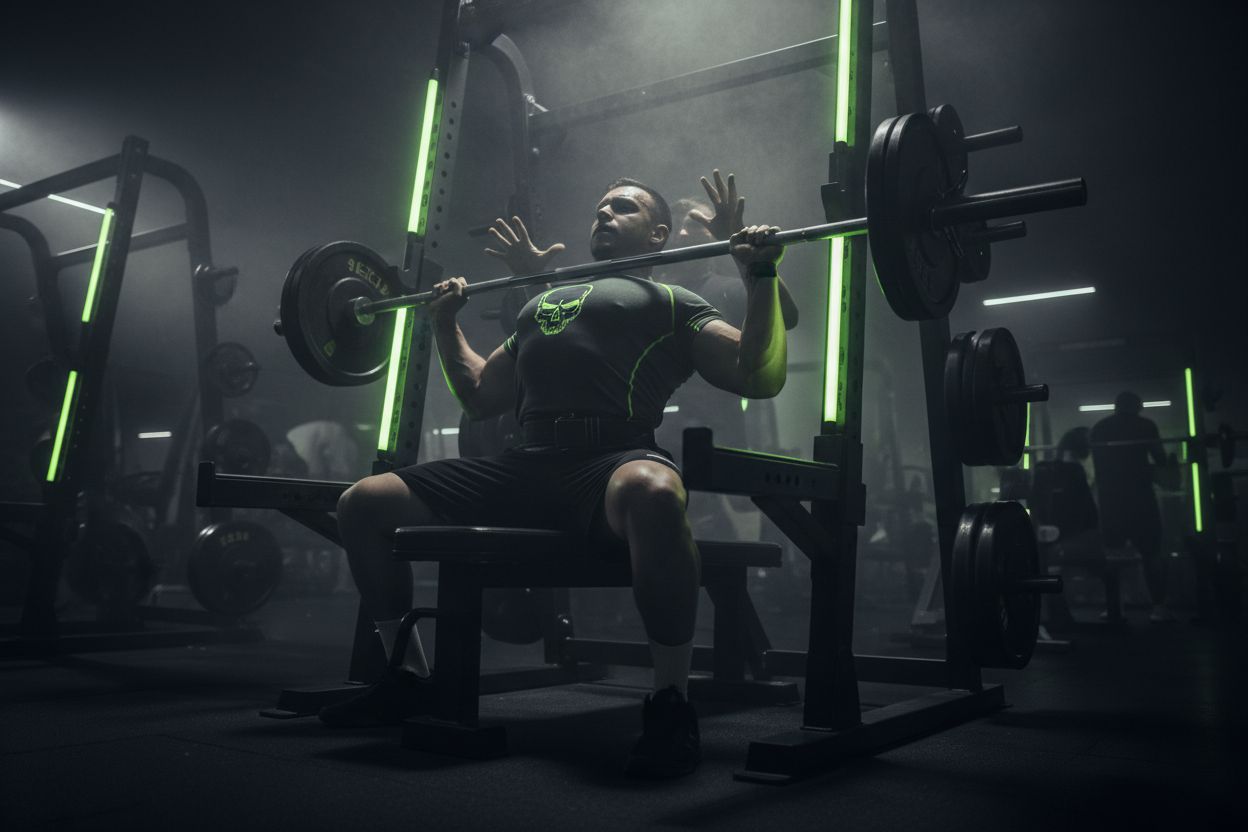
Barbell Bench Press — Difficulty: Intermediate; Equipment: Barbell/bench; Sets x Reps: 3–5 x 4–8 (strength) or 3–4 x 6–12 (hypertrophy)
Form cues: Keep feet planted, scapulae retracted, lower bar to mid-chest. Avoid flaring elbows too wide.
Substitute: Dumbbell Bench Press (safer shoulder position)
Incline Dumbbell Bench Press — Difficulty: Intermediate; Equipment: Dumbbells/incline bench; Sets x Reps: 3–4 x 6–12
Targets upper chest and front delts. Use a 30–45 degree incline.
Dumbbell Fly / Cable Fly — Difficulty: Beginner; Equipment: Dumbbells or cable machine; Sets x Reps: 3 x 8–15
Keep a soft bend in the elbows and control the stretch.
Push-Ups — Difficulty: Beginner; Equipment: Bodyweight; Sets x Reps: 3–4 x 8–20
Progressions: incline push-up, decline push-up, weighted vest
Chest Dips — Difficulty: Advanced; Equipment: Parallel bars; Sets x Reps: 3 x 6–12
Lean slightly forward to emphasize chest. Use assistance if necessary.
Shoulders (Primary/Secondary)
Overhead Barbell Press — Difficulty: Intermediate; Equipment: Barbell; Sets x Reps: 3–5 x 4–8 (strength) or 3–4 x 6–10 (hypertrophy)
Keep a tight core and press overhead in a straight line.
Dumbbell Shoulder Press — Difficulty: Beginner; Equipment: Dumbbells; Sets x Reps: 3 x 6–12
Lateral Raises — Difficulty: Beginner; Equipment: Dumbbells/cables; Sets x Reps: 3 x 10–20
Common mistake: using momentum. Use controlled movement and lighter weight.
Front Raises — Difficulty: Beginner; Equipment: Dumbbells/plate; Sets x Reps: 2–3 x 8–15
Triceps (Accessory)
Close-Grip Bench Press — Difficulty: Intermediate; Equipment: Barbell; Sets x Reps: 3 x 6–10
Triceps Pushdown — Difficulty: Beginner; Equipment: Cable; Sets x Reps: 3 x 8–15
Overhead Triceps Extension (dumbbell or cable) — Difficulty: Beginner; Sets x Reps: 3 x 8–15
Skull Crushers — Difficulty: Intermediate; Equipment: EZ bar/dumbbell; Sets x Reps: 3 x 8–12
Pull Day Exercises
Pull day focuses on vertical and horizontal pulling plus posterior shoulder work and biceps.
Back (Primary)
Deadlift — Difficulty: Advanced; Equipment: Barbell; Sets x Reps: 3–5 x 3–6 (strength)
Form cue: neutral spine, hinge at hips, drive through heels. If you have lower-back issues, use Romanian deadlifts or trap bar deadlifts as alternatives.
Bent-Over Barbell Row — Difficulty: Intermediate; Equipment: Barbell; Sets x Reps: 3–5 x 4–8
Keep torso angled and pull with elbows, not hands.
One-Arm Dumbbell Row — Difficulty: Beginner; Equipment: Dumbbell/bench; Sets x Reps: 3 x 6–12
Pull-Ups / Chin-Ups — Difficulty: Intermediate; Equipment: Pull-up bar; Sets x Reps: 3 x max reps (use assistance if needed)
Lat Pulldown — Difficulty: Beginner; Equipment: Cable machine; Sets x Reps: 3 x 8–12
Seated Cable Row — Difficulty: Beginner; Equipment: Cable; Sets x Reps: 3 x 8–12
Face Pulls — Difficulty: Beginner; Equipment: Cable; Sets x Reps: 3 x 12–20
Great for rear delts and shoulder health. Pull toward forehead and keep elbows high.
Reverse Fly / Rear Delt Fly — Difficulty: Beginner; Equipment: Dumbbells/machine; Sets x Reps: 3 x 10–15
Biceps (Accessory)
Barbell Curl — Difficulty: Beginner; Equipment: Barbell; Sets x Reps: 3 x 6–12
Hammer Curl — Difficulty: Beginner; Equipment: Dumbbells; Sets x Reps: 3 x 8–12
Preacher Curl / Incline Dumbbell Curl — Difficulty: Intermediate; Sets x Reps: 3 x 8–12
Cable Curl — Difficulty: Beginner; Equipment: Cable; Sets x Reps: 3 x 10–15
Upper Traps
Shrugs — Difficulty: Beginner; Equipment: Barbell/dumbbell; Sets x Reps: 3 x 8–15
Leg Day Exercises
Quads
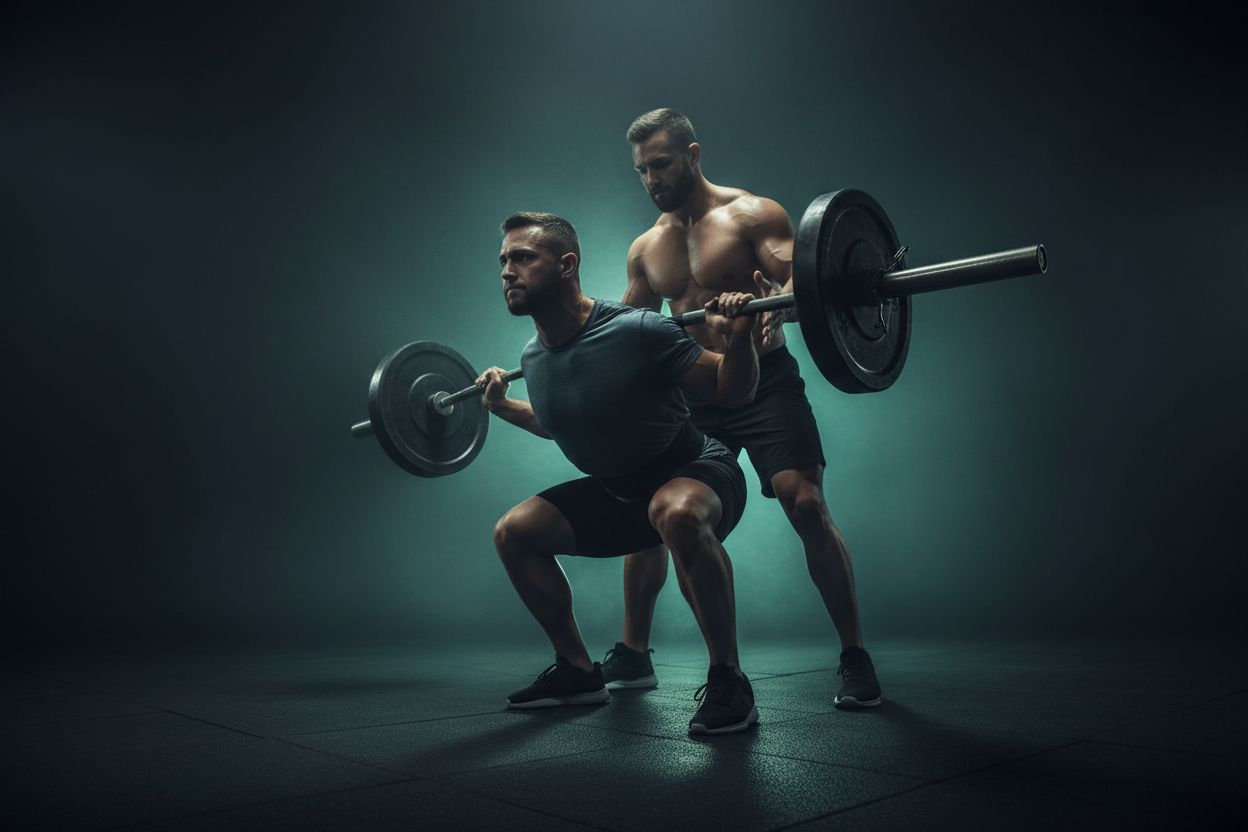
Back Squat — Difficulty: Intermediate; Equipment: Barbell/rack; Sets x Reps: 3–6 x 3–8 (strength) or 3–4 x 6–12 (hypertrophy)
Maintain upright chest and full depth as mobility allows.
Front Squat — Difficulty: Advanced; Equipment: Barbell; Sets x Reps: 3 x 4–8
Leg Press — Difficulty: Beginner; Equipment: Machine; Sets x Reps: 3 x 8–15
Goblet Squat — Difficulty: Beginner; Equipment: Dumbbell/kettlebell; Sets x Reps: 3 x 8–15
Hamstrings & Glutes
Romanian Deadlift (RDL) — Difficulty: Intermediate; Equipment: Barbell/dumbbells; Sets x Reps: 3 x 6–12
Hinge at hips and feel stretch in hamstrings. Keep knees slightly bent.
Hip Thrust — Difficulty: Intermediate; Equipment: Barbell/bench; Sets x Reps: 3–4 x 6–12
Glute Bridge — Difficulty: Beginner; Equipment: Bodyweight/barbell; Sets x Reps: 3 x 8–15
Lying Leg Curl / Seated Leg Curl — Difficulty: Beginner; Equipment: Machine; Sets x Reps: 3 x 8–15
Cable Pull-Through — Difficulty: Beginner; Equipment: Cable; Sets x Reps: 3 x 10–15
Accessory & Unilateral
Bulgarian Split Squat — Difficulty: Intermediate; Equipment: Dumbbells/bench; Sets x Reps: 3 x 6–12 per leg
Walking Lunges / Reverse Lunges — Difficulty: Beginner; Equipment: Dumbbells; Sets x Reps: 3 x 8–12 per leg
Calves
Standing Calf Raise — Difficulty: Beginner; Equipment: Machine/free; Sets x Reps: 3–4 x 8–20
Seated Calf Raise — Difficulty: Beginner; Equipment: Machine; Sets x Reps: 3 x 10–20
Equipment-based substitutions and home alternatives
If you train at home or lack a specific machine, here are practical swaps from the push pull legs exercises list:
No barbell bench press: use dumbbell bench press or push-ups with feet elevated for progression.
No squat rack: Bulgarian split squats, goblet squats, and lunges are excellent substitutes.
No cable machine: use resistance bands for face pulls, triceps pushdowns, and rows.
No pull-up bar: use inverted rows under a sturdy table or single-arm dumbbell rows.
Lower-back issues: swap conventional deadlifts for trap bar deadlifts, RDLs, or machine Romanian deadlifts.
Exercise substitution matrix (quick reference)
Barbell Bench Press → Dumbbell Bench Press, Push-Up
Pull-Up → Lat Pulldown, Inverted Row
Back Squat → Goblet Squat, Bulgarian Split Squat
Deadlift → Trap Bar Deadlift, Hex Bar DL, RDL
Overhead Press → Seated Dumbbell Press, Landmine Press
Form cues, common mistakes, and safety notes
Bench Press: avoid flaring elbows perpendicular to your torso. Retract scapula and press through the feet.
Squat: don’t let knees collapse inward. Drive knees out and keep chest up.
Deadlift: do not round the lower back. Brace core and hinge from hips.
Overhead Press: avoid excessive lumbar extension. Tuck ribs down and brace core.
Rows and Pulls: pull with elbows and keep shoulder blades active; avoid shrugging to compensate.
For more technical lifting principles and technique guidance, see Core Principles & Techniques for Every Lifter - Setgraph.
Sample PPL Routines
Use these templates to structure training. Adjust volume and exercises to match equipment and recovery.
Beginner: 3 days/week (Mon: Push, Wed: Pull, Fri: Legs)
Push: Barbell Bench Press 3 x 6–8; Overhead Dumbbell Press 3 x 8–10; Incline Dumbbell Fly 3 x 10–12; Triceps Pushdown 3 x 10–12
Pull: Lat Pulldown 3 x 8–12; Seated Cable Row 3 x 8–12; Face Pulls 3 x 12–15; Barbell Curl 3 x 8–12
Legs: Back Squat 3 x 6–8; Romanian Deadlift 3 x 8–10; Lunges 3 x 8 per leg; Standing Calf Raise 3 x 12–15
Intermediate: 4–5 days/week (Push, Pull, Legs, Rest, Push/Pull variations)
Emphasize one heavy compound per session and 2–3 accessory exercises. Aim to hit each muscle twice per week across the cycle.
Advanced: 6 days/week (Push, Pull, Legs, Push, Pull, Legs)
Increase weekly volume per muscle (10–20 sets/week per major muscle group). Rotate intensity with a heavy day (3–5 reps), moderate day (6–10 reps), and light/higher-rep day (10–15 reps).
Time-constrained options
45-minute sessions: prioritize 2 compound lifts then 1–2 accessories. Superset compatible movements (e.g., push: bench press superset with lateral raises).
90-minute sessions: include extra accessory work and mobility.
Progression strategies and tracking
Progressive overload: add weight, reps, or sets over time. Track the variable you change each session.
Rep ranges: 3–6 for strength, 6–12 for hypertrophy, 12+ for endurance and metabolic work.
Rest periods: 2–5 minutes for heavy sets, 60–90 seconds for hypertrophy, 30–60 seconds for conditioning.
Keep a training log and review weekly trends. If you want a simple app to log sets, reps, and progression, see Setgraph - Workout Tracker Gym Log App.
When to increase weight
If you complete the top of the rep range for two consecutive workouts with good form, increase load by the smallest available increment.
Plateau strategies
Change rep ranges (e.g., move from 8–12 to 4–6 for a block)
Add an extra set or two per week to lagging muscles
Use intensity techniques sparingly (drop sets, rest-pause)
Cycle volume for deload every 4–8 weeks
Recovery, warm-up, and injury prevention
Warm-up: 5–10 minutes of light cardio, dynamic mobility, and 1–3 ramp-up sets for main lifts.
Sleep: aim for 7–9 hours for optimal recovery and muscle growth.
Nutrition: prioritize protein intake (0.7–1.0 g per lb bodyweight for many trainees) and total calories aligned with goals.
Deloading: reduce volume or intensity for one week every 4–8 weeks if you feel persistent fatigue.
For workout optimization tips, routines, and deeper guides, check Optimize Your Training | Expert Tips and Workout Guides.
Customization frameworks (strength vs size vs endurance)
Strength focus: lower reps, higher intensity, longer rest, fewer assistance sets, prioritize heavy compound lifts.
Hypertrophy focus: moderate reps (6–12), moderate rest, higher weekly volume, include isolation work.
Endurance focus: higher reps, shorter rest, circuit formats.
Prioritizing weak points
Place the lagging muscle earlier in the session
Increase frequency or volume for that muscle each week
Use direct isolation work and heavier eccentric emphasis once a week
Frequently asked questions
Q: Can I do cardio on a PPL split?
A: Yes. Schedule cardio on rest days or after lifting sessions. Keep intense cardio away from heavy lower-body days if it impairs strength work.
Q: What if I miss a day?
A: Don’t try to cram extra days—return to your schedule. If you miss multiple sessions, restart the week rather than overloading one day.
Q: How long before I see results?
A: With consistent training and proper nutrition, you can notice strength and appearance changes in 6–12 weeks. Muscle-building timelines vary by training age, genetics, and diet.
Q: Should I swap exercises often?
A: Rotate exercises every 6–12 weeks to avoid plateaus and reduce overuse injuries. Keep at least one consistent main lift per session to track progress.
Q: Can beginners use the 6-day split?
A: Beginners should start with 3 days/week to build technique and recovery capacity. Progress to 4–6 days after establishing movement quality.
Final checklist to apply this push pull legs exercises list
Choose a PPL frequency that fits your recovery and schedule
Pick 1–2 compounds + 2–4 accessories per session
Track sets, reps, and load each session
Apply progressive overload consistently
Use substitutions when equipment or injuries limit options
If you want practical templates and more training guides, see the Setgraph Training Guide | Maximize Your Workout. For real-user feedback and app reviews on tracking tools, consult Setgraph App Reviews (2025): User Ratings for Tracking Sets, Reps & Workouts.
The push pull legs exercises list in this article is designed to be a living resource: print or bookmark the exercises you plan to use, build a week of workouts that fits your life, and track progress. Small, consistent increases in workload deliver the best long-term results.
Article created using Lovarank