Arnold Split: The Complete 6-Day Muscle-Building Guide

If your goal is to build serious muscle and you can commit to six training days a week, the Arnold split is one of the most time-tested approaches. Created and popularized by Arnold Schwarzenegger during his competitive years, the split pairs chest with back, shoulders with arms, and a dedicated leg day, repeating that three-day cycle twice. The result is high weekly volume, two stimulations per muscle group, and plenty of opportunity for both compound strength work and targeted isolation.
This article explains what the Arnold split is, gives a complete 6-day workout breakdown, and shows how to implement it safely with progressive overload, deloads, nutrition suggestions, and modifications for different experience levels. You will also get troubleshooting tips, comparison to other splits, and resources to track progress.
What is the Arnold Split?

The Arnold split is a 3-day rotation repeated twice across six days: Day 1 chest and back, Day 2 shoulders and arms, Day 3 legs, then repeat Days 4 to 6 as variations of the first three. Arnold used high volume, frequent stimulation, and a mix of heavy compound lifts and high-rep isolation movements to drive hypertrophy. Typical features of the routine include 4 to 6 exercises per muscle group, 4 to 5 working sets each, and rep ranges focused around 6 to 12 but sometimes extending to 15 to 20 for pump work.
History and context
Arnold Schwarzenegger refined his approach throughout the 1960s and 1970s, moving from simpler whole-body work to higher-volume, body part-focused routines as he chased Mr. Olympia titles. The Arnold split is not a modern invention but a practical adaptation of bodybuilding practice that emphasizes frequency and volume.
Who it is for
The split is best for intermediate and advanced lifters who have a base of strength, are accustomed to high training loads, and can recover well with elevated training frequency. It is not recommended for someone brand new to resistance training because the volume and intensity can be overwhelming without established technique and foundational strength.
Arnold Split Workout Routine
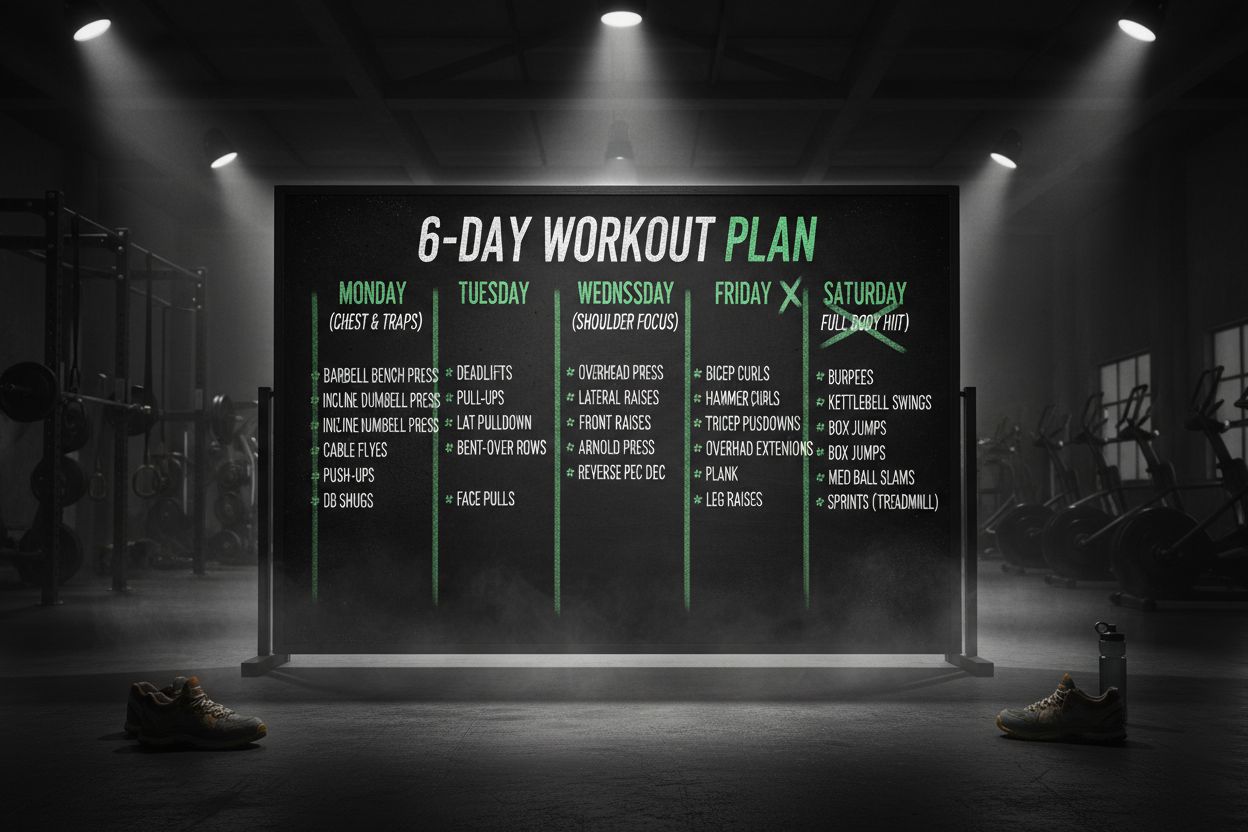
Below is a practical, balanced version of the Arnold split with exercise selections, sets and rep ranges. Use the second iteration (days 4 to 6) as variations to target muscles from different angles and avoid stagnation.
Day 1 — Chest and Back
Barbell bench press: 5 sets x 6 to 8 reps
Incline dumbbell press: 4 sets x 8 to 12 reps
Barbell row or T-bar row: 5 sets x 6 to 8 reps
Wide-grip pull-up or lat pulldown: 4 sets x 8 to 12 reps
Cable flyes supersetted with straight-arm pulldown: 3 sets x 12 to 15 reps each
Day 2 — Shoulders and Arms
Seated barbell or dumbbell press: 5 sets x 6 to 8 reps
Lateral raises (strict): 4 sets x 10 to 15 reps
Rear delt flyes or face pulls: 4 sets x 12 to 15 reps
Barbell curl supersetted with skull crushers: 4 sets x 8 to 12 reps each
Hammer curls and rope pressdowns: 3 sets x 12 to 15 reps each
Day 3 — Legs
Back squat or front squat: 5 sets x 6 to 8 reps
Leg press: 4 sets x 10 to 15 reps
Romanian deadlift: 4 sets x 6 to 10 reps
Walking lunges or Bulgarian split squats: 3 sets x 10 to 12 reps per leg
Standing calf raises: 5 sets x 12 to 20 reps
Day 4 — Chest and Back (variation)
Dumbbell flat press: 4 sets x 8 to 12 reps
Incline barbell press: 4 sets x 6 to 10 reps
One-arm dumbbell row: 4 sets x 8 to 12 reps
Chest-supported row: 4 sets x 8 to 12 reps
Pec-deck flyes and low cable row superset: 3 sets x 12 to 15 reps
Day 5 — Shoulders and Arms (variation)
Standing military press: 4 sets x 6 to 8 reps
Upright row (wide grip) and lateral raise superset: 4 sets x 10 to 12 reps each
Incline dumbbell curls and overhead triceps extension superset: 4 sets x 8 to 12 reps each
Reverse curl and triceps kickback: 3 sets x 12 to 15 reps each
Day 6 — Legs (variation)
Deadlift (conventional or trap bar): 4 sets x 4 to 6 reps
Hack squat or front squat: 4 sets x 8 to 12 reps
Glute-ham raise or stiff-leg deadlift: 4 sets x 8 to 12 reps
Leg extension and lying leg curl superset: 3 sets x 12 to 15 reps each
Seated calf raises: 5 sets x 12 to 20 reps
Rest and scheduling notes
Train six consecutive days or use a 2-on/1-off pattern if you need a recovery day in the middle. Typical week format: train Mon through Sat, off Sunday, or do Mon-Tue off Wed Thu-Fri-Sat with Sun off as needed. Stick to consistent timing to support recovery and habit formation.
Benefits of the Arnold Split
High weekly volume drives hypertrophy when recovery is sufficient.
Each muscle is trained roughly twice per week, aligning with research that suggests 2x weekly frequency can be beneficial for size.
Antagonist pairing, common in this split, can increase training density and improve recovery between sets.
Versatility for customizing exercise selection and intensity techniques such as dropsets and supersets.
How to perform the Arnold Split properly
This section covers exercise selection, sets and reps guidance, rest periods, progressive overload, and deload planning.
Exercise selection and order
Start each session with the heaviest compound lift for that day when you are freshest.
Follow with compound movements that target the same region, then finish with isolation and pump work.
Swap exercises periodically to avoid adaptation. If a machine or specialty bar is unavailable, use the substitutions listed later.
Sets, reps and rest
Use 4 to 6 sets for major compound lifts and 3 to 4 sets for isolation work.
Rep ranges: 6 to 8 for strength-oriented sets, 8 to 12 for hypertrophy, and 12 to 20 for pump and technique work.
Rest 60 to 120 seconds between sets for hypertrophy; lengthen rest for near-max strength sets.
Progressive overload strategies
Track your weights and reps each workout and aim to add one to three reps per set before increasing load.
Use planned intensity phases: two to four weeks of increasing volume, then a taper week or a reduced volume week to consolidate gains.
Introduce advanced techniques (dropsets, rest-pause, forced reps) sparingly and primarily on isolation movements to avoid excessive CNS fatigue.
Deload protocols
Every 6 to 12 weeks include a deload week. Reduce volume by 40 to 60 percent and keep loads at 60 to 70 percent of your working weight, focusing on movement quality.
If you notice prolonged soreness, declining sleep, or strength drops across multiple sessions, opt for an earlier deload.
Warm-up and mobility
Begin each session with 5 to 10 minutes of light cardio and dynamic warm-up specific to the day's joints and movement patterns.
Perform progressive warm-up sets for the heavy compounds, moving from lighter sets to your working weight.
Tracking your progress
Log sets, reps, and weights to objectively monitor progress. If you want a simple tool to record sets and workouts, consider using the Setgraph workout tracker to keep clean logs and review trends.
Resources for programming
For deeper principles and templates that complement the Arnold split see the Setgraph Training Guide and tips on how to optimize your training.
Recovery, Nutrition and Sleep
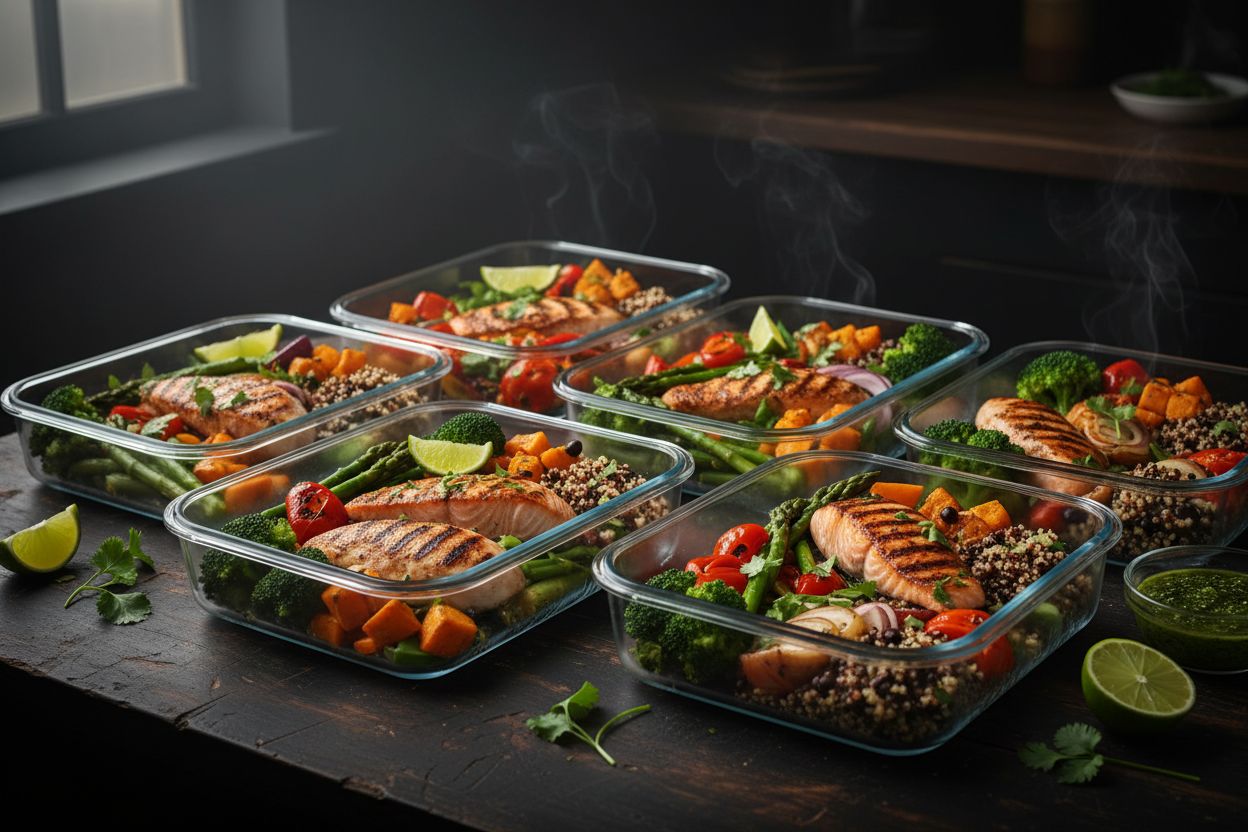
Recovery matters as much as the workouts. A high-volume routine demands disciplined nutrition, prioritized sleep and active recovery strategies.
Calories and macros by goal
Bulk: +250 to +500 kcal above maintenance. Protein 1.6 to 2.2 g/kg body weight, fats 20 to 30 percent of calories, remaining calories from carbs.
Recomp or lean mass gain: small calorie surplus or maintenance with higher protein and careful carb timing around workouts.
Maintain hydration and electrolytes, especially as training frequency increases.
Pre- and post-workout nutrition
Pre-workout: 30 to 60 grams of carbs plus a moderate protein source 60 to 90 minutes prior if possible.
Post-workout: aim for 20 to 40 grams of protein and 40 to 60 grams of carbs within 1 to 2 hours to support recovery, glycogen repletion and muscle protein synthesis.
Sleep and daily recovery
Aim for 7 to 9 hours of quality sleep. High-frequency training increases the need for solid recovery nights.
Use active recovery on rest days such as walking, mobility work and light stretching to promote circulation and reduce soreness.
Supplements (optional)
Protein powder to help meet protein targets, creatine monohydrate for strength and volume tolerance, and omega-3 for inflammation control are common, evidence-backed choices.
Who should follow the Arnold Split?
Best for intermediate to advanced lifters with consistent training history of at least one to two years.
Requires 6 days per week or disciplined scheduling to get two stimulations per muscle group. Expect gym sessions of 60 to 90 minutes when following the plan strictly, depending on superset use.
Not ideal for people with limited recovery capacity, irregular schedules, or those managing chronic injuries.
Realistic expectations
High-volume splits can produce visible mass increases over months, but genetics, training history, and drug status influence peak results. Natural lifters can still make substantial progress when programming includes progressive overload, appropriate calories and recovery.
Arnold Split compared to other popular splits
Arnold Split vs PPL: Arnold emphasizes body-part separation and high volume per session with two weekly stimulations. PPL often has a more even volume distribution and can be easier to scale for different recovery levels.
Arnold Split vs Bro Split: The bro split usually trains each muscle once per week with higher session volume per muscle. Arnold split effectively trains muscles twice weekly and tends to deliver better frequency for hypertrophy.
Arnold Split vs Upper/Lower: Upper/lower splits balance frequency and recovery and are often more time-efficient. Arnold split can outperform for hypertrophy when recovery allows, but upper/lower is often better for strength-phase training and those with less time.
When to switch
If progress stalls or recovery falters, transition to a PPL or upper/lower for 8 to 12 weeks to reset volume and then revisit the Arnold split with fresh capacity.
Troubleshooting and common mistakes
Overtraining signs: persistent fatigue, declining performance, poor sleep and increased resting heart rate. If these appear, reduce volume or take a deload week.
Poor exercise selection: avoid too many similar movements in one session. Balance horizontal and vertical pulling and pressing to prevent imbalances.
Neglecting recovery: high frequency means your nutrition, sleep and stress management must be intentional.
What to do if you miss a workout: do not double up sessions. Continue with the next scheduled workout and adjust volume slightly that week if needed.
Injury prevention: prioritize technique on heavy compounds, control eccentric phases and avoid ego loading that sacrifices form.
Implementation: an 8-week progression plan
Week 1 to 2: Establish baseline
Use conservative weights that allow clean reps. Focus on learning the routine and tracking reps.
Week 3 to 6: Progressive overload block
Add 2.5 to 5 percent load when you can complete the top of your rep range for all sets. Alternatively add sets or reps week to week while keeping form.
Week 7: Intensity taper
Keep volume similar but reduce top-end intensity by 10 to 20 percent to allow recovery buildup.
Week 8: Deload week
Reduce volume by 40 to 60 percent and use lighter loads. Use mobility work and technique practice.
Modifications for different equipment or experience
Gym-limited substitutions: replace barbell rows with single-arm dumbbell rows; replace leg press with lunges or goblet squats.
For less experienced lifters: reduce session exercises by one to two per session and cut sets by 20 to 30 percent.
Helpful tools and tracking
Use a simple tracking app to log weights, sets and reps consistently. For workout logging, recovery tracking and trend review, see the fitness and workout tips and consider the user reviews for Setgraph if you want to evaluate tracking apps.
FAQ
Is the Arnold split good for beginners?
No. Beginners benefit more from full-body or upper/lower routines that prioritize frequency and skill acquisition with lower total volume.
How long should I run the Arnold split?
Run it in 6 to 12 week blocks. Include deload weeks and evaluate progress. If your lifts and size are improving and recovery is manageable, you can continue or cycle back after a few weeks on a lower-volume plan.
How much should I eat on the program?
Aim for a slight calorie surplus for mass. Start with +250 kcal above maintenance and adjust based on monthly weight and strength trends. Protein should be 1.6 to 2.2 g per kg body weight.
Can I do cardio while on the Arnold split?
Yes, but keep it low to moderate. Two to three 20 to 30 minute sessions of low-intensity cardio per week are reasonable. High volumes of cardio will interfere with recovery and hypertrophy.
What if I can only train 4 days a week?
Use a modified PPL or upper/lower approach. Consolidate the Arnold days into four sessions by pairing muscle groups more tightly or alternating the third day each week.
Final notes and resources
The Arnold split is a powerful tool for hypertrophy when applied sensibly. Track your work, prioritize recovery, and be prepared to scale volume if signals of overreaching appear. For programming templates, tracking solutions and tips to get the most from high-volume training see the Setgraph Training Guide and resources on how to optimize your training. If you want a simple app to log workouts and view progress trends, check the Setgraph workout tracker. Good tracking and disciplined recovery will help you get the most from the Arnold split while minimizing risk.
If you want printable cheat sheets or an exercise substitution chart to use in the gym, create a session log from your tracking app after the first two weeks and adjust exercises based on equipment availability and personal response.
Article created using Lovarank