Pull Workout for Beginners: A Practical Guide to Build Strength and Back Muscle
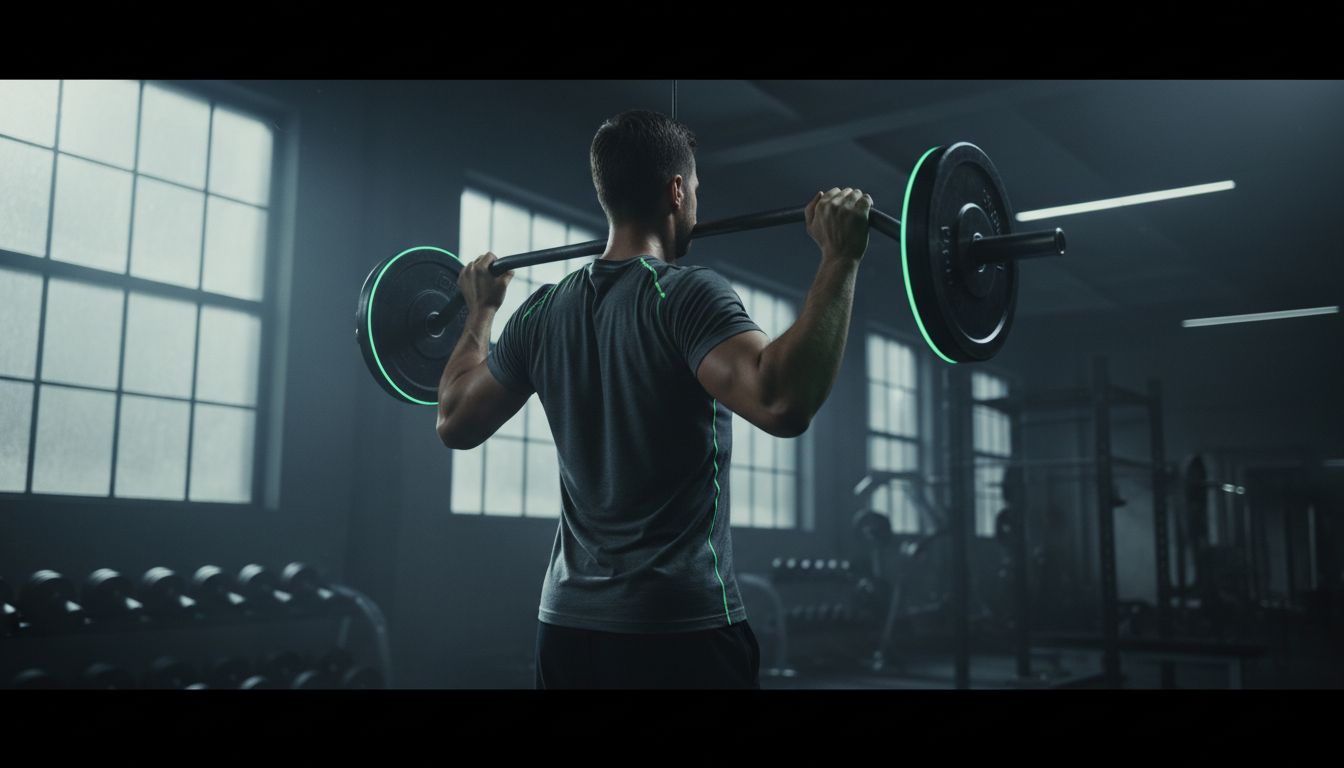
If you want a stronger back, thicker lats, and better posture, a well-structured pull workout for beginners will get you there faster and with less risk of injury. This guide breaks down what a pull workout is, which muscles you train, how to perform key exercises with proper form, and how to progress across weeks so you keep improving.
What is a pull workout and why it matters
A pull workout focuses on movements that pull weight toward your body. That usually means exercises that target the back, rear shoulders, and biceps. For beginners, concentrating on pull days helps build the pulling strength needed for balanced development and better posture. Pull workouts also reduce injury risk by strengthening the posterior chain and improving shoulder stability.
Key muscles worked in pull workouts

Understanding which muscles you are targeting helps you pick effective exercises and stay focused on form.
Latissimus dorsi (lats): the large muscles on the sides of the back responsible for pulling the arms down and back.
Rhomboids and middle trapezius: upper back muscles that retract the shoulder blades.
Lower trapezius and erector spinae: help with posture and spinal support.
Posterior deltoids: rear shoulder muscles that assist horizontal pulling.
Biceps brachii and brachialis: elbow flexors involved in most pulling exercises.
Warm-up and mobility: set up for success
A proper warm-up improves movement quality and reduces injury risk. Spend 8 to 12 minutes on:
Light cardio for 3 to 5 minutes such as brisk walking, cycling, or a light row.
Dynamic shoulder and thoracic mobility drills: band pull-aparts, shoulder circles, and cat cow.
Movement rehearsal: 2 sets of 10 bodyweight or very light rows and scapular pull-ups.
Tip: Focus on scapular control before loading heavy rows or pull-ups. Learn to depress and retract your shoulder blades to move safely through the range of motion.
How to perform the main pull exercises (with cues)

Below are foundational pull exercises for beginners, with simple technique cues and common mistakes to avoid.
Assisted pull-up or band-assisted pull-up
Setup: Use a pull-up bar with a resistance band or assisted machine. Grip slightly wider than shoulder width.
Movement: Initiate by pulling your shoulder blades down and together. Drive your elbows down and back until your chin clears the bar.
Cues: Bring the elbows to your ribs. Keep a neutral spine and avoid swinging.
Common mistakes: Kipping or letting the chest collapse. Using too much momentum.
Lat pulldown
Setup: Sit with thighs secured under the pads, grip slightly wider than shoulder width.
Movement: Pull the bar to the top of your chest while leading with the elbows and squeezing the shoulder blades.
Cues: Keep the torso upright and avoid excessive leaning back.
Common mistakes: Pulling the bar behind the neck or using momentum.
Bent-over dumbbell or barbell row
Setup: Hinge at the hips with a flat back, knees slightly bent. Hold the weight with arms extended.
Movement: Pull the weight toward your lower ribs while retracting the shoulder blades.
Cues: Keep the neck neutral and avoid rounding the lower back.
Common mistakes: Using too much torso momentum or jerking the weight.
Seated cable row
Setup: Sit upright with knees slightly bent. Grab the handle and extend the arms.
Movement: Pull the handle to your abdomen while squeezing between the shoulder blades.
Cues: Think of bringing the elbows back, not pulling with the hands.
Common mistakes: Leaning too far back or letting the shoulders roll forward.
Face pulls
Setup: Use a rope attachment at upper chest height on a cable machine.
Movement: Pull the rope toward your face with elbows high, focusing on rear delts and upper back.
Cues: Keep the wrists neutral and squeeze the shoulder blades together.
Common mistakes: Using heavy weight that forces the shoulders forward.
Biceps curl (dumbbell or barbell)
Setup: Stand tall with elbows by your sides.
Movement: Curl the weight keeping elbows stationary, squeeze at the top, and lower under control.
Cues: Avoid swinging the torso. Keep reps smooth.
Sample pull workout plans for beginners

Below are two beginner-friendly pull workouts you can use based on whether you train full body three times per week or follow an upper/lower split.
Option A: Full-body 3x per week (pull focus on each session but lighter volume)
Assisted pull-up or lat pulldown: 3 sets of 6 to 10 reps
Bent-over dumbbell row: 3 sets of 8 to 12 reps
Face pulls: 3 sets of 12 to 15 reps
Dumbbell biceps curls: 2 sets of 10 to 15 reps
Option B: Upper/Lower split, pull day twice weekly
Warm-up: mobility and 2 light sets of rows
Pull-ups or lat pulldowns: 4 sets of 5 to 8 reps
Barbell or single-arm dumbbell row: 4 sets of 6 to 10 reps
Seated cable row: 3 sets of 8 to 12 reps
Face pulls: 3 sets of 12 to 15 reps
Hammer curls or preacher curls: 2 to 3 sets of 10 to 12 reps
Progression: Add weight or extra reps each week if you can complete the top range with good form. If you cannot, keep the weight the same and focus on form until it improves.
Sets, reps, and intensity explained
For beginners the priority is learning technique and building a base of strength. Use these general guidelines:
Strength focus: 4 to 6 reps for compound moves like pull-ups and heavy rows.
Hypertrophy and technique: 8 to 12 reps for rows and lat pulldowns.
Endurance and shoulder health: 12 to 20 reps for face pulls and accessory moves.
Rest 60 to 120 seconds between sets for compound pulls. Shorter rest of 30 to 60 seconds is fine for isolation work like curls and face pulls.
Programming tips for steady progress
Frequency: Train pulling movements 2 to 3 times per week depending on your split.
Volume: Beginners do well with 8 to 16 sets total per week for major muscle groups in the back. Start at the lower end and increase gradually.
Consistency: Small, consistent increases in weight or reps over weeks matter more than sporadic heavy sessions.
Equipment alternatives for home and gym
You do not need a commercial gym to start. Here are substitutions for common gym tools:
No pull-up bar: Use resistance bands for rows and lat pulldowns with a secure anchor, or do inverted rows under a sturdy table.
No cable machine: Replace seated rows with single-arm dumbbell rows or band rows.
No heavy dumbbells: Increase reps and tempo, focusing on time under tension.
If you do use an app to track workouts, pick one that logs sets, reps, and progression so you can see trends over time. For simple tracking and clear logs, consider using Setgraph - Workout Tracker Gym Log App.
Common mistakes and how to fix them
Mistake: Pulling with your arms only. Fix: Focus on initiating the movement from the shoulder blades and upper back.
Mistake: Rounding the lower back on bent-over rows. Fix: Hinge at the hips and brace the core.
Mistake: Using momentum for pull-ups. Fix: Slow the negative and control the eccentric portion.
Mistake: Ignoring posterior shoulder work. Fix: Add face pulls and rear delt raises for balance.
Recovery, nutrition, and sleep
Strength gains happen between workouts, not during them. Support recovery by:
Getting 7 to 9 hours of quality sleep each night.
Eating enough protein to support muscle repair. Aim for roughly 0.7 to 1.0 grams of protein per pound of body weight depending on activity level.
Progressing training volume gradually. Add no more than 10 percent extra volume per week to avoid overuse.
How to track progress and know when to increase intensity
Use a simple system to monitor progress: log exercises, sets, reps, and weight. Increase weight or reps when you can complete the top of the rep range for all sets with good form. Tracking also helps you identify plateaus and adjust programming.
If you want a place to keep logs and view your training history, read user-focused reviews and tracking tips on the Setgraph App Reviews page. For broader workout-tracking education and tips, the Fitness & Workout Tips | Setgraph section has practical articles that pair well with this guide.
Sample 8-week progression plan for beginners
Weeks 1 to 2
Learn technique and establish baseline: 3 sets of moderate reps, conservative weight.
Weeks 3 to 4
Increase total volume slightly: add one set to a primary movement or increase reps by 1 to 2 per set.
Weeks 5 to 6
Push intensity: increase weight by 2.5 to 5 percent on compound lifts if form remains good.
Weeks 7 to 8
Test improvements: attempt a max rep pull-up set or compare one-rep max estimations for rows. Then deload with lighter training in the next week.
If you want more structured guidance, look at training principles and technique resources in the Core Principles & Techniques for Every Lifter - Setgraph article and the Setgraph Training Guide | Maximize Your Workout.
Troubleshooting plateaus
Swap exercises: Rotate between barbell, dumbbell, and single-arm rows to reduce overuse and stimulate growth.
Add variety: Use tempo changes such as slower eccentrics or paused reps to build control.
Check recovery: If performance stalls, evaluate sleep, nutrition, and stress.
Safety checklist before you lift
Warm-up completed and shoulders mobile.
Spine neutral and core braced for loaded rows.
Controlled tempo with full range of motion when possible.
Progressive overload applied conservatively.
Frequently asked questions
Q: How often should a beginner do pull workouts?
A: Aim for 2 pull sessions per week in an upper/lower split or include pull movements in every full-body session if training three times weekly.
Q: When should I start weighted pull-ups?
A: Only after you can perform 5 to 8 strict pull-ups for multiple sets with controlled form.
Q: Can I build a wide back with just bodyweight?
A: Yes. Progressive overload still applies. Increase reps, decrease assistance, and add variations like towel pull-ups or weighted vests when ready.
Final checklist to start your pull workout for beginners
Warm-up and scapular control practiced.
Pick 1 vertical pull, 1 or 2 horizontal pulls, 1 posterior shoulder exercise, and 1 biceps accessory.
Track every set and rep so you can progress week to week.
Prioritize technique over heavy weight.
A pull workout for beginners does not need to be complicated. Focus on consistent practice of a few well-chosen movements, sensible progression, and adequate recovery. If you want a simple app to store and review your workouts, the Setgraph tracker is one option to help you log sets, reps, and progress. For more training tips and guides, explore additional resources like Optimize Your Training | Expert Tips and Workout Guides and the broader Setgraph App: Insights, Tips & Training Guides.
Start today with a manageable routine, track your progress, and you will see steady improvements in strength and posture over the coming months.
Article created using Lovarank