PPL Routine Beginner: The Complete Beginner’s Guide to Push/Pull/Legs
If you're new to lifting and you've heard about the PPL split—push/pull/legs—you've found one of the most flexible ways to build strength and muscle without overcomplicating your training. This guide breaks down exactly what a PPL routine for a beginner should look like, with sample workouts, technique cues, progression plans, and practical tips to make the first 30–90 days smooth and sustainable.
What is Push/Pull/Legs?
Push/Pull/Legs (PPL) is a workout split that groups exercises by movement pattern and primary muscle groups:
Push: movements that push weight away from the body (chest, shoulders, triceps)
Pull: movements that pull weight toward the body (back, biceps)
Legs: all major lower-body muscles (quads, hamstrings, glutes, calves)
Grouping muscles this way makes programming straightforward: each day trains similar muscles and movement patterns, so recovery and exercise selection become easier to manage.
Push Day Muscles
Chest: pressing movements (bench press, push-ups)
Shoulders: overhead pressing and raises
Triceps: pressing assistance and isolation work
Pull Day Muscles
Back: rows, pulldowns, deadlift variations
Rear delts and traps: horizontal/vertical pulls, face pulls
Biceps: curling and pulling assistance
Legs Day Muscles
Quads: squats, lunges, leg press
Hamstrings & glutes: Romanian deadlifts, hip thrusts
Calves: standing and seated calf raises
Benefits of a PPL Split
Efficient muscle grouping for recovery and progress
Clear structure—easy to scale intensity and volume
Flexible frequency: works as a 3-, 4-, 5-, or 6-day plan
Good balance of compound and isolation work for beginners
Is PPL Good for Beginners?
Yes—if programmed conservatively. PPL can suit beginners because it separates movement patterns and allows you to learn fundamental lifts while still getting enough frequency. However, beginners should:
Prioritize form and lower starting weights
Start with 3–4 training days per week before ramping up
Track progress so you don’t under- or over-train
Who might avoid PPL initially? Absolute novices who need dedicated coaching to learn barbell mechanics or people with limited recovery (very poor sleep, substantial stress). A simple full-body routine is another valid beginner option for those cases.
PPL Training Frequency Options
Choose frequency based on time, recovery, and experience.
3-Day Split (Beginner-Friendly)
Mon: Push
Wed: Pull
Fri: Legs
Good for building consistency and learning movements without daily gym time.
4-Day Split
Mon: Push
Tue: Pull
Thu: Legs
Fri: Upper accessory (push/pull mix) or a second push
Balances frequency with recovery. Often recommended after 6–8 weeks on 3-day.
5-Day Split
Push, Pull, Legs, Push, Pull (then two rest days)
Best for faster progress if recovery (sleep, nutrition) is solid.
6-Day Split (Advanced Beginner/Intermediate)
Push, Pull, Legs, repeat
High frequency that requires careful volume management and scheduled deloads.
Complete PPL Workout Routine (Beginner Samples)
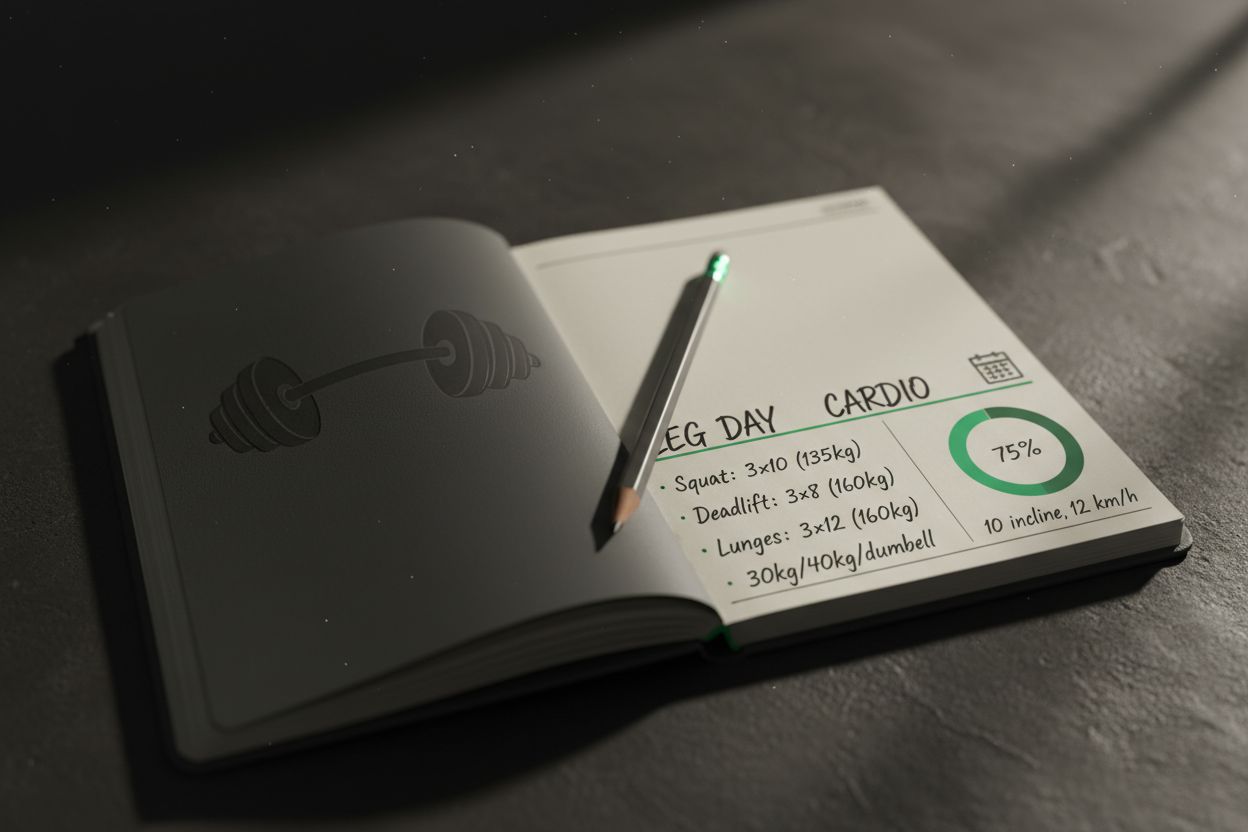
Below are practical beginner-friendly workouts. Use them as templates and adjust based on equipment and recovery.
Notes for all workouts:
Warm up 5–10 minutes of light cardio + dynamic mobility specific to the day.
Start each compound lift with an empty bar or light set to groove the movement.
Rest 60–120 seconds between sets for compounds; 30–90 seconds for isolation.
Push Day Workout (A)
Barbell bench press — 3 sets × 6–8 reps (focus on a controlled descent and strong drive)
Overhead press (barbell or dumbbell) — 3 × 8–10
Incline dumbbell press — 3 × 8–12
Lateral raises — 3 × 12–15
Triceps rope pushdown — 3 × 12–15
Form cues for bench press: keep feet planted, retract the shoulder blades, touch the bar to mid-chest, and drive through the heels.
Pull Day Workout (A)
Barbell or dumbbell row — 3 × 6–8 (hinge at hips, neutral spine)
Lat pulldown or assisted pull-up — 3 × 8–10
Seated cable row or single-arm dumbbell row — 3 × 8–12
Face pulls — 3 × 12–15
Dumbbell hammer curls — 3 × 10–12
Form cue for rows: lead with the elbow, avoid excessive torso rotation, and squeeze the shoulder blades together at the top.
Legs Day Workout (A)
Back squat or goblet squat — 3 × 6–8
Romanian deadlift — 3 × 8–10
Walking lunges — 3 × 10 per leg
Leg press or Bulgarian split squat — 3 × 10–12
Standing calf raise — 3 × 12–15
Squat cue: sit back into the hips, keep knees tracking toes, and maintain a neutral spine.
3-Day Weekly Example
Week layout: Mon (Push A), Wed (Pull A), Fri (Legs A)
Repeat this block for 6–8 weeks before increasing frequency or changing exercises
Minimal-Equipment (Home) PPL
Push: Push-ups (progressions), pike push-ups, dumbbell floor press
Pull: Inverted rows, single-arm dumbbell rows, resistance band pulldowns
Legs: Bodyweight squats, split squats, Romanian deadlifts with dumbbells
Home alternatives focus on movement pattern rather than specific equipment and keep volume a bit higher to offset lighter loads.
Exercise Selection Guide
Choose one or two compounds as the focus for each session, then add 2–4 accessory movements.
Best Push Exercises
Bench press, overhead press, incline press, dips, push-ups
Best Pull Exercises
Pull-ups/pulldowns, bent-over rows, single-arm rows, face pulls
Best Leg Exercises
Squats, Romanian deadlifts, lunges, hip thrusts
For detailed technique tips and progress tracking advice, see this practical guide to core lifting principles: Core Principles & Techniques for Every Lifter.
Progression & Tracking
Progression is the most important ingredient for long-term results.
Start light: choose a working weight that leaves 2–3 reps in reserve on compound lifts.
Weekly progression model: add 2.5–5 lbs to upper-body lifts and 5–10 lbs to lower-body lifts when you can finish all prescribed sets and reps with good form.
Volume progression: once you stall on weight, add a set or increase reps within the rep range.
Track everything: log sets, reps, and weight each session. Using an app or a simple notebook helps spot trends quickly.
If you want a straightforward digital tracker for sets, reps and workouts, consider checking a dedicated workout tracker like Setgraph - Workout Tracker Gym Log App. For user reviews on tracking apps, see: Setgraph App Reviews (2025).
Recovery, Nutrition & Deloads

Recovery is where progress is consolidated.
Rest days: 1–2 full rest days per week for a 3–4 day program; schedule deloads every 4–8 weeks.
Deload week: reduce volume to 50–60% or training intensity by roughly 20–30% for one week to recover.
Protein: aim for ~0.7–1.0 grams per pound of bodyweight (1.6–2.2 g/kg) depending on goals and calorie intake.
Sleep: target 7–9 hours nightly; poor sleep impairs strength gains and recovery.
Warm-up & Pre-Workout Checklist
Wear appropriate footwear and have a water bottle and towel
Short dynamic warm-up (5 minutes), then specific warm-up sets for your first compound lift
Bring a simple mental plan: today’s top lift target and a fallback weight if you miss it
Practical pre-workout packing and checklists make the gym less stressful and help you be consistent.
Beginner Mistakes & How to Avoid Them
Mistake: Going too heavy too soon. Fix: Start light, prioritize form, and add small increments.
Mistake: Training with poor technique. Fix: Record lifts, ask for feedback, and review trusted technique guides like Optimize Your Training | Expert Tips and Workout Guides.
Mistake: No tracking. Fix: Log every session to measure progress.
Mistake: Skipping deloads. Fix: Schedule one every 4–8 weeks to avoid burnout.
Mistake: Copying advanced programs. Fix: Use beginner templates and gradually increase complexity.
Gym Anxiety & Practical Tips
Go during off-peak hours at first, or bring a friend for confidence.
Know basic gym etiquette: wipe equipment, let others work in when possible, and return weights.
Prepare a short list of exercises and alternatives for busy machines.
If you’re new to tracking workouts digitally, you can learn how apps simplify logging and planning through the Setgraph training guides: Setgraph Training Guide | Maximize Your Workout.
When to Move From Beginner to Intermediate PPL
Indicators you're ready:
You consistently add weight or reps for 8–12 weeks
Your compound lifts feel technically solid and pain-free
You recover quickly between workouts
At that point you can increase frequency (4–6 days), add specialized variations (paused reps, tempo work), and increase weekly volume. A structured transition and realistic deloading plan help avoid regressions.
First 30 Days Roadmap (Beginner-Friendly)
Week 1:
Train 3 sessions (Push, Pull, Legs). Focus on movement patterns and light loads.
Week 2:Maintain 3 sessions, increase weight slightly if form is solid. Start tracking every set.
Week 3:Consider adding a light accessory day (upper or mobility) or repeat the 3-day block but aim for small weekly progression.
Week 4:Evaluate progress: if consistent and recovered, add a fourth training day (repeat Push or Pull).
Realistic expectations: expect measurable strength/skill improvements in compound lifts within 4–8 weeks and noticeable muscular changes in 8–12 weeks depending on nutrition and recovery.
FAQs
How long should I follow a beginner PPL routine?
Follow a conservative PPL for 8–12 weeks, then reassess. Many beginners find continued progress for 3–6 months before needing intermediate programming adjustments.
Can I do cardio with PPL?
Yes. Keep cardio moderate and separate intense cardio sessions from heavy leg days when possible. Low-impact cardio (walking, cycling) aids recovery.
What if I miss a workout?
Skip it and continue the schedule. If you miss multiple sessions, drop volume for the next week and restart. Avoid rushing to cram missed workouts—consistency beats sporadic intensity.
Should I train abs every day?
No. Train core 2–3 times per week as accessories (planks, hanging leg raises, cable crunches). Core recovers like other muscles.
How should a complete beginner choose starting weights?
Pick a weight you can lift with good form for the top of the rep range but that leaves 1–3 reps in reserve. On first sessions, err on the side of light and focus on consistent sets and technique.
Final Notes and Next Steps
A PPL routine can be an excellent framework for beginners when used conservatively and tracked properly. Start with 3 sessions per week, prioritize compound lifts, log your progress, and schedule planned deloads. If you want more help tracking workouts and visualizing progress, explore workout tracking tools like Setgraph - Workout Tracker Gym Log App. For broader training articles and tips, see Fitness & Workout Tips | Setgraph and the collection of Setgraph App: Insights, Tips & Training Guides.
Remember: consistency, progressive overload, and recovery are the pillars of progress. Follow the roadmap, pay attention to form, and you’ll turn this PPL routine for beginners into sustainable long-term gains.
Article created using Lovarank