How to Keep Track of Workouts: A Practical, Step-by-Step System

Keeping a reliable record of your workouts is one of the simplest ways to turn effort into progress. Whether your goal is to build strength, lose weight, run farther, or simply train smarter, tracking gives you the data that reveals whether your plan is working and what to change next.
Why tracking workouts matters
Tracking workouts turns guesswork into evidence. Instead of wondering whether you lifted more this month or simply remember better sets, a workout log shows measurable improvements and highlights patterns you would not notice otherwise. Consistent records help you maintain progressive overload for strength gains, manage fatigue and recovery, and stay motivated by seeing small wins stack over time.
Tracking also improves accountability. When workouts are recorded, missed sessions stand out. Reviewing logs can reveal why plateaus happen, whether you are doing enough volume for growth, and whether you are repeating the same mistakes in exercise selection or intensity.

What to track: essential and optional metrics
Start simple, then add detail as needed. Below are essential metrics most lifters and athletes should log, followed by optional data you can include when chasing a specific goal.
Essential metrics
Date of workout
Exercise name (clear and consistent)
Sets and reps for each set
Weight or resistance used
Rest periods between sets (approximate is fine)
Duration or distance for cardio sessions
Optional metrics (use depending on your goal)
Body weight and body measurements for weight loss or physique goals
Rate of Perceived Exertion (RPE) on a 1-10 scale to track intensity
Time under tension for hypertrophy-focused sets
Heart rate or pace for endurance training
Notes on sleep, soreness, or injuries
Warm-up sets and mobility work
Recording these items consistently builds a complete picture of performance and recovery. If you are unsure, start with essentials and add one optional metric every few weeks.
How to track: methods compared
There are three common ways to keep a workout log. Each has pros and cons. Choose one that you will use consistently.
Paper notebook or printed workout card
Pros:
Fast to access and low tech
Fewer distractions than a phone
Easy to sketch or annotate technique notes
Cons:
No automatic backups
Harder to analyze or plot progress
When to use it: If you prefer tactile tools, train in a busy gym where phone use is inconvenient, or enjoy journaling details about each session.
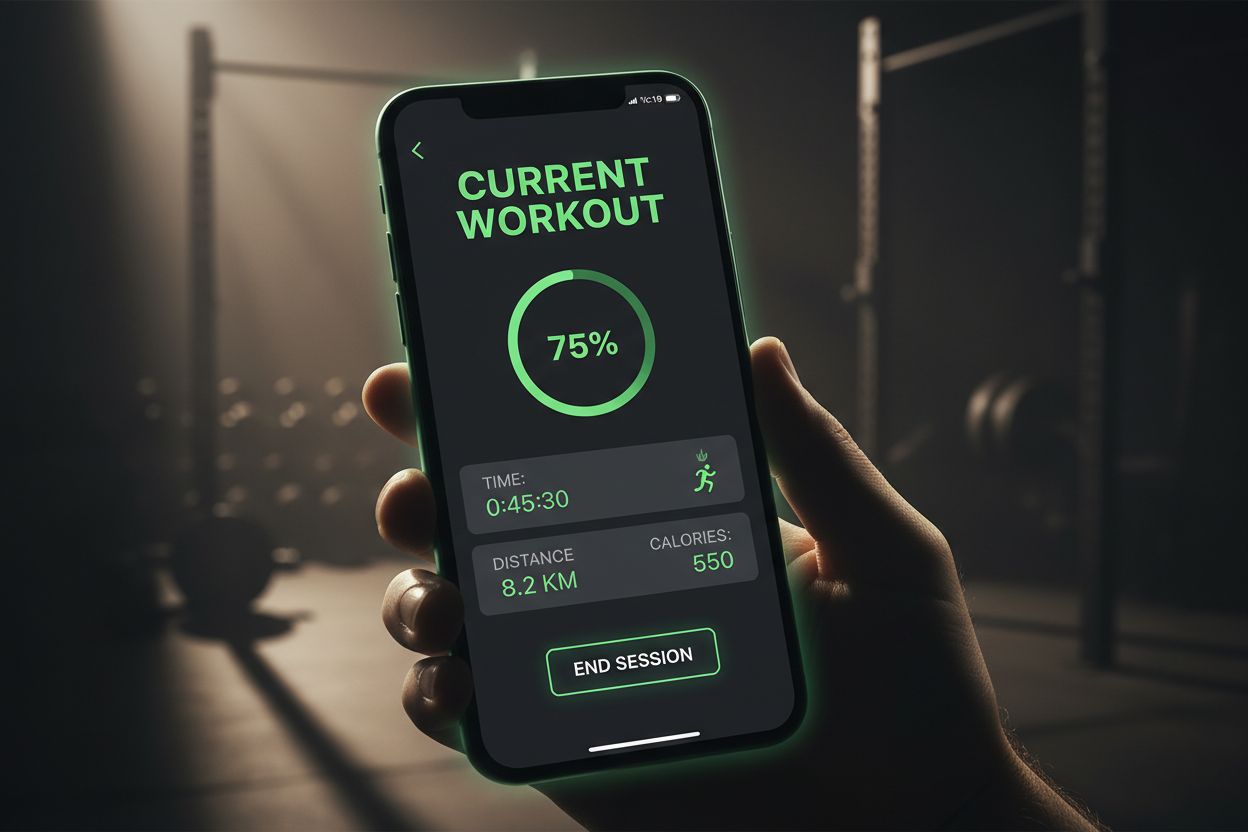
Mobile apps
Pros:
Automatic totals, charts, and history
Quick input with templates and autocomplete
Often include exercise videos and program templates
Cons:
Some apps require subscriptions for advanced features
Phone use can be distracting during workouts
If you want automated analytics or easy template reuse, an app is usually the fastest path. For a general-purpose tracker you can explore options and reviews before committing. If you want to try a focused workout tracker, check an app listing like Setgraph - Workout Tracker Gym Log App or read user reviews at Setgraph App Reviews (2025): User Ratings for Tracking Sets, Reps & Workouts.
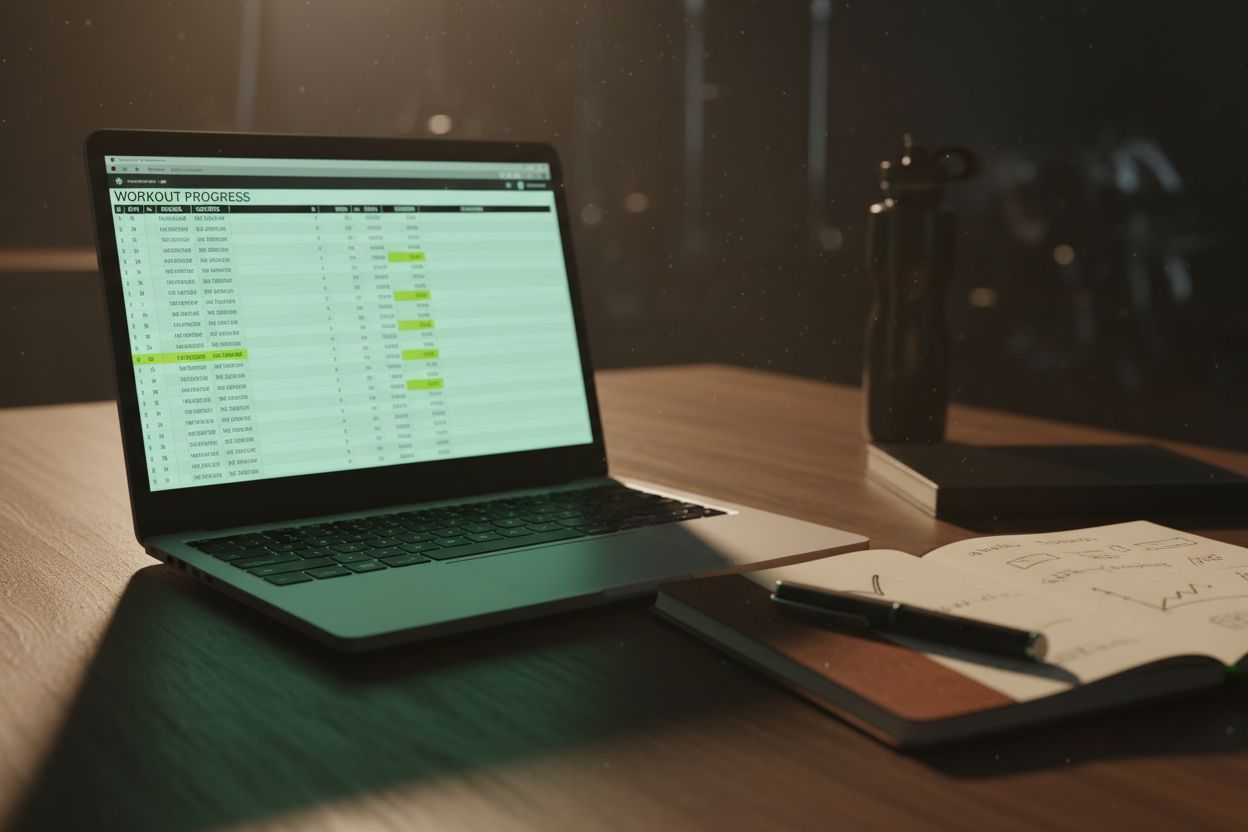
Spreadsheets (Google Sheets, Excel)
Pros:
Fully customizable formulas to calculate volume and progress
Easy to export, back up, and share
Good for coaches or people who want custom metrics
Cons:
Time consuming to set up
Manual entry can be tedious during a workout
Spreadsheets are ideal if you like controlling how metrics are calculated, for example computing weekly training volume or creating charts to visualize progress.
Hybrid approach
Many people use a hybrid approach: quick notes in a notebook or app during the workout, then transfer entries to a spreadsheet weekly for analysis. This combines convenience with deeper reflection and lets you run custom calculations without slowing down sessions.
A simple, step-by-step tracking system you can adopt today
Below is a practical system you can start using right away. It blends simplicity with enough structure to support progress for months.
Step 1 - Define your primary goal
Be explicit. Are you trying to add 10 pounds to your deadlift, lose 15 pounds, run a half marathon, or increase muscle size? Your goal determines which metrics matter most and how often you need to review your log.
Step 2 - Pick a tracking method and setup templates
Choose one primary tool (notebook, app, or spreadsheet). Create a template that you can reuse for every workout. A basic template includes date, workout type, exercises, sets, reps, weight, and a short notes field. If you use digital tools, save the template so you can start each session with it.
Example workout entry template:
Date:
Workout type: Lower body - strength
Exercise 1: Back squat - Warm-up: 2x5 @ bar
Working sets: 3x5 @ 185 lb
Exercise 2: Romanian deadlift - 3x8 @ 135 lb
Conditioning: 10 minutes bike steady-state
Notes: Felt strong, knee tweak at end
Step 3 - Log every set or summarize per exercise
Logging every set is the gold standard for accuracy and makes it easy to identify progress or fatigue. But if logging every set slows you down, capture the best compromise: record warm-ups and working sets only with exact reps and weights.
Step 4 - Use consistent naming and units
Write exercise names the same way each time. For example use "Back squat - high bar" or "Back squat - low bar" consistently. Use consistent units for weight and distance to avoid confusion when analyzing trends.
Step 5 - Review weekly and monthly
Set a regular review ritual. Weekly reviews should be 10 to 20 minutes: check whether you hit session goals, note any missed workouts, and adjust the upcoming week's plan. Monthly reviews should be longer: calculate total volume for main lifts, compare body weight changes, and set a specific objective for the next month.
Step 6 - Adjust based on data
If the data shows stalled progress, look at volume, intensity, and frequency first. Did volume drop? Did you reduce intensity because of fatigue? Small deliberate changes — add a set, increase load slightly, or deload for a week — tend to work better than big, reactive changes.
Goal-specific tracking: what to emphasize
Different goals require different metrics. Here are practical suggestions.
Strength and muscle building
Track sets, reps, and weight for compound lifts
Calculate weekly training volume per lift (sets x reps x weight)
Track RPE to manage intensity and plan auto-regulated progression
Tip: Aim to increase volume or intensity very gradually. Use a monthly review to confirm progress.
Weight loss and body composition
Track workout effort and calories burned as an approximate guide
Record body weight weekly and body measurements monthly
Log dietary notes or link to a nutrition tracker so you can correlate training with caloric trends
Endurance
Track distance, time, average pace, and heart rate zones
Record perceived effort and conditions (weather, course)
Use regular time trials to measure progress
Mobility and flexibility
Track minutes spent on mobility work and specific exercises
Note ranges of motion improvements or pain points
Use photos or short videos sparingly to document progress
Advanced metrics worth considering once you have the basics
When you are comfortable with consistent logging, add metrics that help refine programming.
Rate of Perceived Exertion (RPE) for each set
Training volume totals per week per lift
Average tempo or time under tension
Fatigue scores based on sleep quality or soreness
Deload week tracking to prevent overtraining
These metrics help with smarter periodization. For athletes who want to automate this, many modern apps and spreadsheets can calculate volume and plot RPE trends automatically. For curated training advice and program ideas you can cross-reference, see resources like Optimize Your Training | Expert Tips and Workout Guides and the Setgraph Training Guide | Maximize Your Workout.
Troubleshooting common tracking problems
Issue: You keep forgetting to log workouts.
Fix: Habit stack the logging with an existing habit. For example, log immediately after your last set while you stretch. Set a reminder on your phone or add a sticky note in your gym bag.
Issue: Your data is messy because you change format often.
Fix: Standardize a single template and commit to it for at least 8 to 12 weeks. Consistency matters more than perfection.
Issue: You travel and cannot use your usual tools.
Fix: Create a travel-friendly template on paper or use a lightweight app that works offline. A few lines per workout are enough to preserve progress.
Issue: You are tracking too much and feel overwhelmed.
Fix: Simplify. Return to core metrics for 4 to 6 weeks, then add one new metric if it helps clarify decisions.
Issue: Plateaus despite logging.
Fix: Use your logs to compare volume and intensity week to week. If volume has decreased, increase it slightly. If you missed many sessions, focus on consistency first.
Monthly review framework: how to learn from your data
A focused monthly review converts tracking into useful decisions.
Step 1: Pull together the month’s entries and compute weekly volume for 3 main lifts or primary activities
Step 2: Compare the month to the previous month and note percent changes in volume and average intensity
Step 3: List wins and setbacks. Wins might be PRs, consistent attendance, or improved recovery. Setbacks might be missed sessions or lingering soreness.
Step 4: Set 3 specific objectives for next month. Keep them measurable. Example: add 5 lb to squat working sets, run three times per week for 25 minutes, and log sleep score after each workout.
This ritual keeps tracking actionable rather than just archival.
Tips for staying consistent and motivated
Keep the system minimal. If it takes longer than 2 minutes to start a session log, simplify it.
Use habit stacking. Anchor logging to an existing action like putting away your gym bag or shutting off the treadmill.
Celebrate small wins. Highlight PRs, streaks, or steady increases in volume.
Share progress with an accountability partner or coach.
Consider a lightweight reward system for hitting attendance or consistency targets.
For quick workout tips and articles that complement tracking, see the general Fitness & Workout Tips | Setgraph page and the broader collection at Setgraph App: Insights, Tips & Training Guides.
Sample workout log examples
Simple daily log (paper or app):
2026-02-01
Workout: Upper - Strength
Bench press: 3x5 @ 185 lb
Bent-over row: 3x8 @ 125 lb
Overhead press: 3x6 @ 95 lb
Core: 3x12 hanging knee raises
Notes: Felt heavy on last set bench - RPE 8
Spreadsheet column headers to track weekly volume:
Date | Exercise | Sets | Reps | Weight | Volume |
|---|---|---|---|---|---|
2026-02-01 | Bench press | 3 | 5 | 185 | 2775 |
These simple records allow quick aggregation and charting over time.
Final checklist before you leave the gym
Did you record the workout date and key numbers?
Are exercise names consistent with your previous entries?
Did you note any pain or unusual fatigue?
Mark a quick weekly plan if you missed sessions or intend to change intensity
Tracking workouts is not about perfection. It is about building a reliable habit that informs smarter decisions over time. Start with a simple system, review consistently, and add useful metrics only when they help you make better choices.
If you want to try a practical tracker or explore user perspectives on tracking apps, check reviews like Setgraph App Reviews (2025): User Ratings for Tracking Sets, Reps & Workouts. For program templates and techniques you can integrate with your tracking, see the Core Principles & Techniques for Every Lifter - Setgraph.
Ready to begin? Pick one tool, create a one-line template, and log your next workout. Data compounds: the more consistent you are, the clearer your path to progress will become.
Article created using Lovarank