Gym Stats: How to Track, Interpret, and Improve Your Numbers
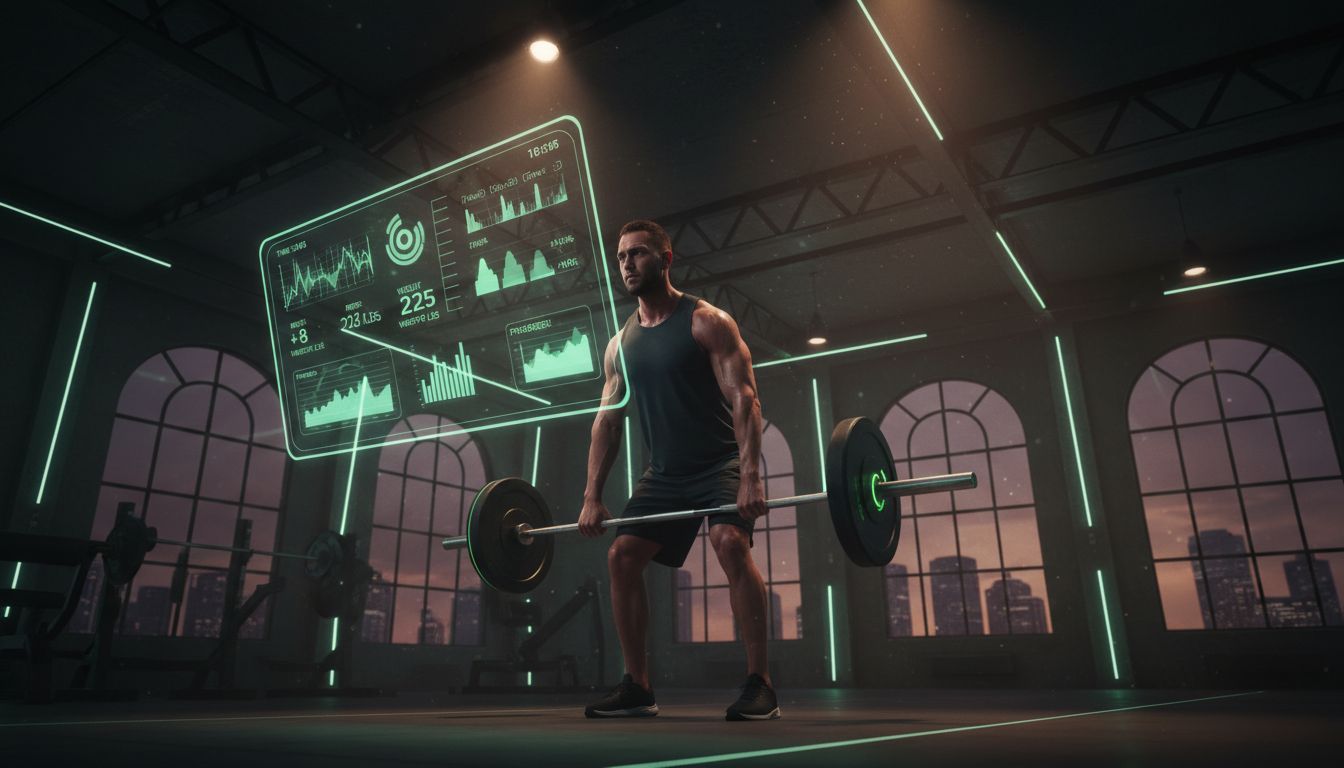
Gym stats are the numbers that tell you whether your training is working. For one person, that means a stronger bench press. For another, it means more reps at the same load, better conditioning, steadier body weight, or a smaller waist measurement. The smartest approach is to track the stats that match your goal, then read them in context instead of chasing random personal records. The current U.S. physical activity guidelines also make clear that a complete routine includes both aerobic work and muscle-strengthening activity, so useful gym stats should cover more than lifting alone. (odphp.health.gov)
If you want a simple place to keep those numbers organized, Setgraph’s site describes it as a workout tracker and gym log app for logging sets, reps, weight, and notes, and it also highlights workout history, progress comparisons, a rest timer, and custom routines. (setgraph.app)
What Gym Stats Actually Measure
At a basic level, gym stats can organize five kinds of information: performance, recorded training amount, attendance, recovery context and body measurements. That sounds simple, but it is easy to overfocus on one number and miss the rest. A lifter can add weight to a bar for a month and still be under-recovered, underfed, or barely training the muscles that actually matter for their goal.
Here is a practical way to think about gym stats:
Strength stats tell you what you can lift for a single rep or for a set.
Volume stats summarize recorded sets, reps and load; volume load is not a direct measure of mechanical work.
Consistency stats tell you whether you are actually showing up week after week.
Recovery notes record context such as soreness, sleep and energy; they do not directly measure tissue recovery.
Body stats tell you whether your size is changing in the direction you want.
For adults, the U.S. guidelines recommend 150 to 300 minutes of moderate-intensity aerobic activity each week, plus muscle-strengthening activity on 2 days per week, so a useful gym-stats dashboard should reflect both endurance work and resistance work. If you are inactive, the guidance also recommends starting with small amounts and building up over time. (odphp.health.gov)
The Most Useful Gym Stats to Track
If you are building a tracking system from scratch, start with the fewest stats that still let you spot real trends. Most lifters do well with these six:
Exercise, sets, reps, and weight
This is the core of every good log. It tells you what you did, not just what you intended to do.Estimated effort, such as RPE or reps in reserve
This helps you tell the difference between a set that was easy and a set that was close to failure.Bodyweight
Useful if your goal includes muscle gain, fat loss, or strength relative to size.Weekly training frequency
If you want better gym stats, the first question is often whether you trained enough to create a signal.Personal records
These can be absolute PRs, rep PRs, or best sets at a fixed weight.One cardio or conditioning metric
Time, distance, pace, or interval performance all work, as long as you use the same metric consistently.
This is where a simple tracker helps. If you want to see a tool built around fast logging, Setgraph - Workout Tracker Gym Log App is designed to keep gym logs clean and quick, which makes the data easier to reuse later. (setgraph.app)
How to Read Strength Gym Stats

Strength numbers are useful when you compare like with like. A measured one-rep max is the heaviest load lifted once under the chosen standard; an estimated 1RM is a prediction. A small study in 20 young adults tested an RPE-based method for biceps curls and knee extensions. It does not validate every reps-to-1RM equation, exercise or app calculation. Treat estimates as trends with limitations, not exact strength measurements.
That means a bench press estimated at 225 pounds this month and 235 pounds next month is useful information, even if the exact number is not perfect. What matters is the direction of travel, the exercise variation, and the conditions under which you tested it. Compare barbell back squat to barbell back squat, not back squat to front squat, and try to keep technique, warm-up, and rep targets similar from one check-in to the next.
Technique matters too, so if a lift stalls, it can help to revisit the basics in Core Principles & Techniques for Every Lifter - Setgraph before you assume the program is the problem.
What Good Gym Stats Look Like by Goal
Good gym stats look different depending on why you train.
If your goal is strength
Your best stat is usually the load you can move for a given rep target on a consistent lift. Progress can show up as more weight, more reps at the same weight, or better performance at the same perceived effort.
If your goal is muscle gain
Track working sets and whether performance changes over time under comparable conditions. A stable number does not automatically mean the muscle receives no useful stimulus.
If your goal is fat loss
Review bodyweight trends alongside performance and, if useful, consistent measurements. Stable strength during weight loss can be encouraging, but it does not establish how much muscle or fat changed.
If your goal is general health
Your gym stats should include both resistance training and cardio. The guidelines still matter here, because the goal is not only to look different, but to support long-term health and function. (odphp.health.gov)
The key idea is that gym stats only count if they connect to your goal. A bigger bench is great for a strength block. Better pace on the rower may matter more for conditioning. A lower bodyweight may matter more during a cut. The same number can mean progress in one phase and mean nothing in another.
How to Track Gym Stats Without Overcomplicating It
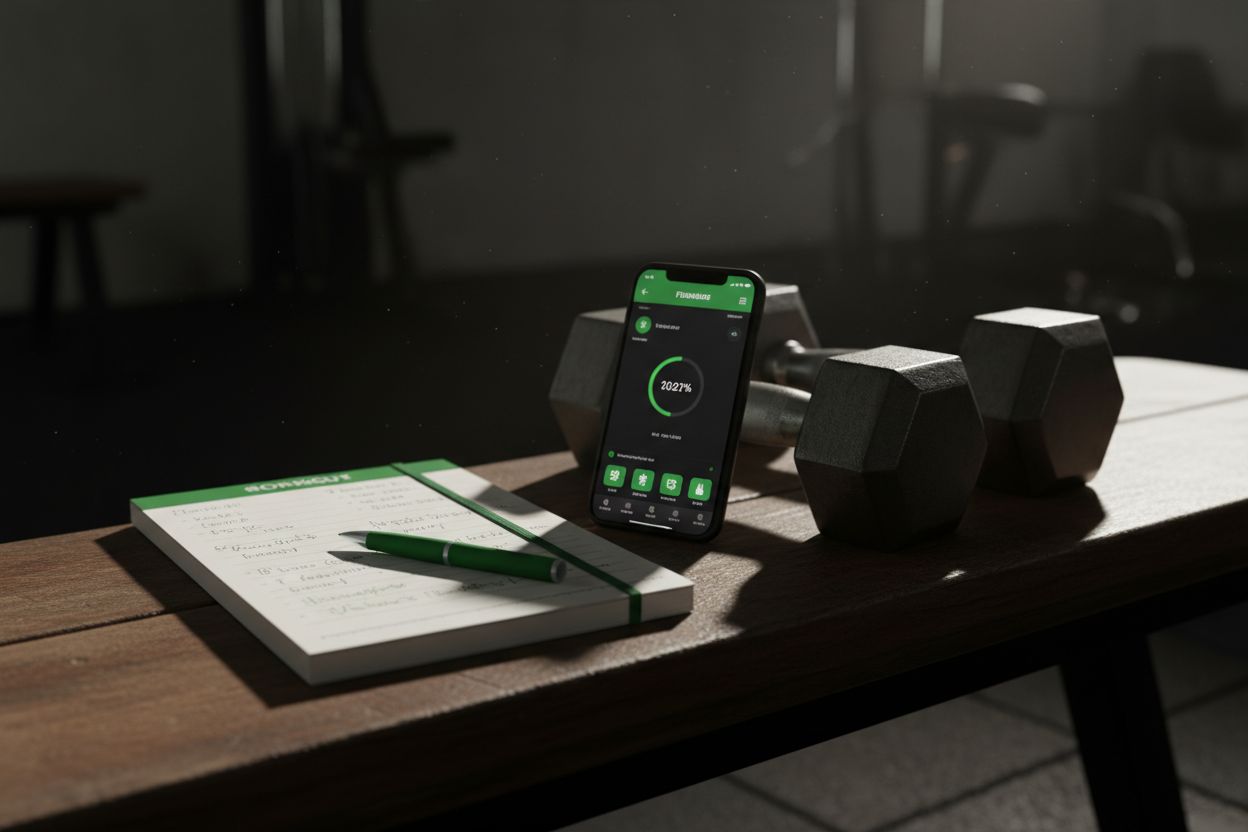
A lot of people quit tracking because they try to record too much too soon. The fix is to keep your system boring and repeatable.
A simple gym-stats log can look like this:
Date
Exercise
Sets x reps x weight
RPE or effort note
One short note on form, pain, energy, or setup
Optional bodyweight or cardio metric
That is enough for most lifters to see patterns without turning every workout into data entry. Setgraph’s site says you can log sets, reps, weight, and notes, and it highlights progress comparisons from your last session, which is exactly the kind of feedback a simple gym-stats workflow needs. (setgraph.app)
For a practical next step, compare the methods in how to track workout progress and choose one you can repeat.
Review the previous comparable session before choosing today’s targets. Then look at broader trends over several weeks or at the end of a training block. Sleep, stress, travel and other changes may help explain an unusual session, but one result rarely tells the whole story.
Common Mistakes When Judging Gym Stats
The most common mistake is comparing numbers that should not be compared.
Comparing different exercises
A front squat and a back squat are not the same stat.Comparing different rep ranges
A heavy triple and a set of ten tell you different things.Comparing different bodyweights without context
Relative strength matters if your sport or goal depends on it.Testing too often
Frequent maximal tests can add fatigue; schedule them only when they serve the program.Ignoring recovery
Sleep, soreness, food intake and stress provide context when a number changes.Treating one bad session like a failed program
One workout is a sample, not a verdict.
The better habit is to ask, "Is this number improving for the goal I care about?" If the answer is yes, keep going. If the answer is no, look at program design, recovery, and technique before you blame the gym stats themselves.
If you want more ideas for building a program that supports progress instead of random effort, Optimize Your Training | Expert Tips and Workout Guides has practical training guidance you can use.
A Simple Gym Stats Framework
Here is a clean way to organize your own stats.
Timeframe | What to track | Why it matters |
|---|---|---|
Weekly | Sessions completed, main lifts, total sets, cardio minutes | Shows whether you are consistent |
Monthly | Estimated 1RM, bodyweight trend, body measurements, average effort | Shows whether the plan is working |
Every training block | PRs, missed sessions, recovery notes, exercise selection | Shows whether you need to adjust the program |
Quarterly | Progress photos, goal review, lift variation changes | Shows whether your stats still match your goal |
You do not need a giant spreadsheet to make this work. You just need enough structure to answer three questions: Am I training often enough? Am I improving? Am I recovering well enough to keep improving?
Gym Stats FAQ
What are the most important gym stats?
The most important gym stats are the ones tied to your goal. For most lifters, that means a mix of strength, weekly volume, bodyweight or body measurements, and consistency.
Are gym stats only about strength?
No. Gym stats can also include cardio performance, training frequency, recovery, and body composition. If your goal is overall fitness, those numbers matter just as much as a PR.
How often should I test my 1RM?
Use maximal testing only when it fits your experience and goal. Estimated values can help track a trend, but accuracy depends on the method and exercise. The RPE-prediction study cited here did not establish an ideal testing schedule.
What should beginners track first?
Start with the basics, like exercise, sets, reps, load, and one short note. The U.S. guidelines also suggest starting with small amounts of activity and building up over time if you are inactive, so beginners do not need a complicated dashboard on day one. (odphp.health.gov)
Should I compare gym stats by age or bodyweight?
For your own progress, compare the same lift and technique over time, with bodyweight included when it matters to your goal. For comparisons with other people, use a clearly defined standard and population; an age or bodyweight category alone does not make every result comparable.
Gym stats are only useful if they help you make better decisions. Track a small set of numbers, compare like with like, and review the trend instead of obsessing over one session. If you keep the system simple, the data will actually help you train better.
