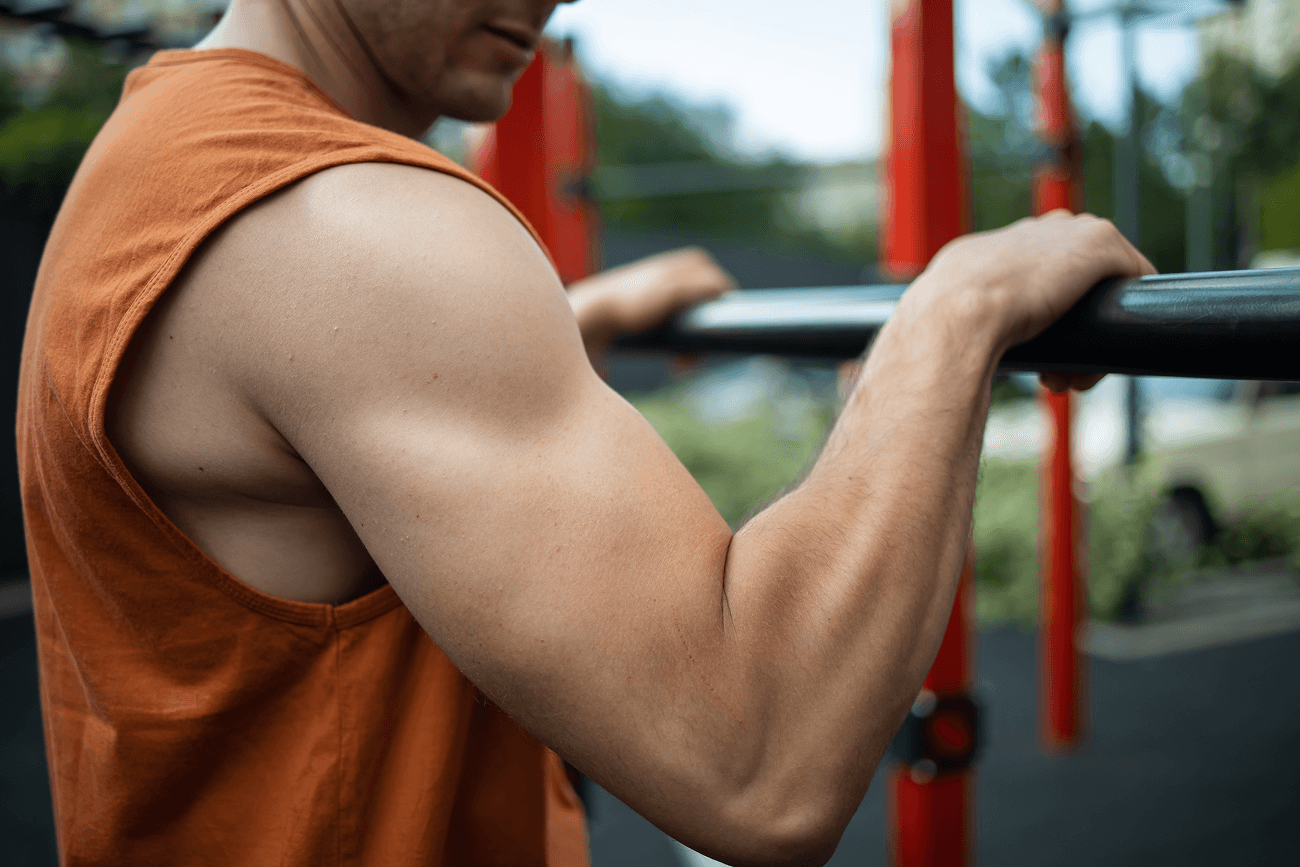
Triceps vs Biceps Size: How Both Contribute to Bigger Arms
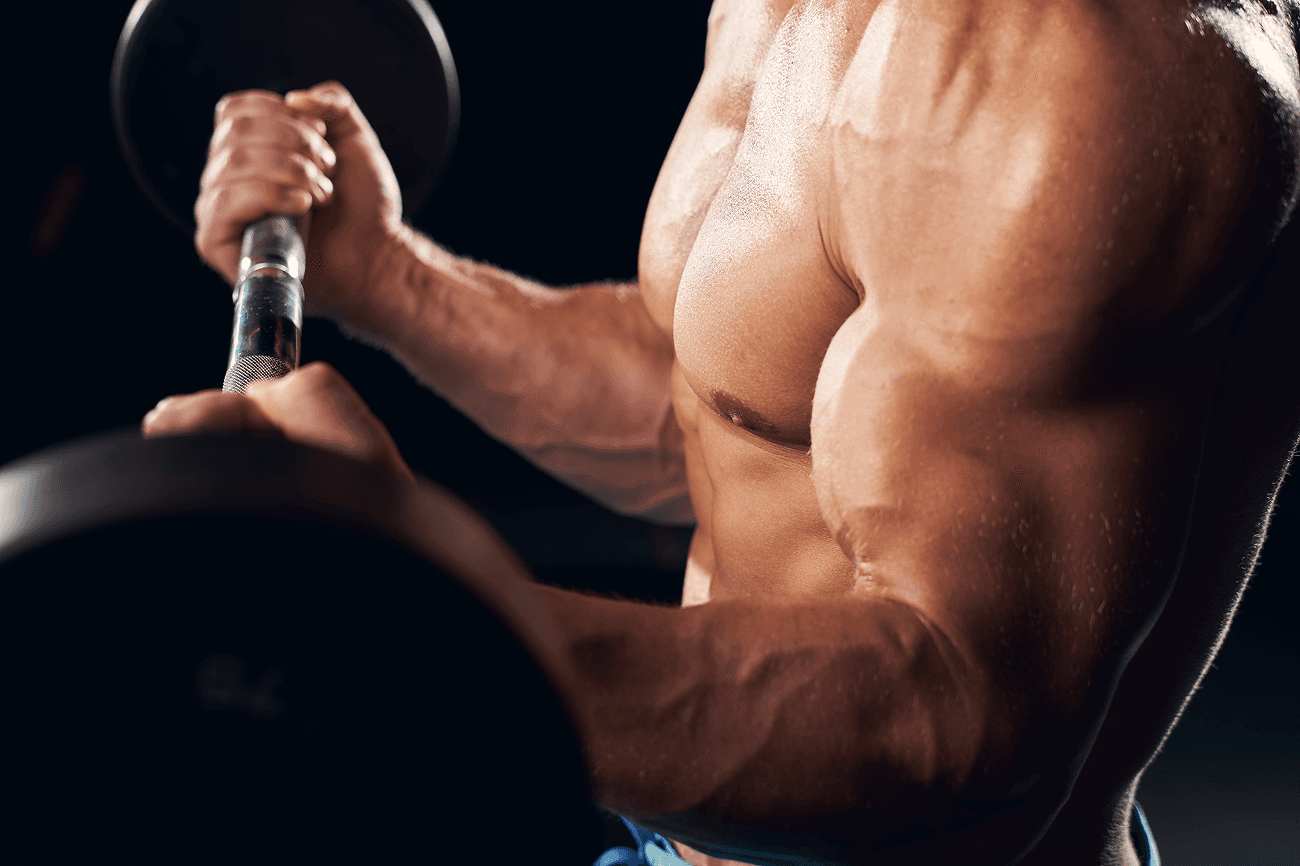
When people think about building bigger arms, the biceps usually steal the spotlight. But if your goal is to actually make your arms look larger, the real answer might surprise you.
So, triceps vs biceps size, which muscle really makes your arms look bigger? Let’s break it down with anatomy, training insights, and smart workout strategy.
Short answer: the triceps are generally larger than the biceps brachii, so training them contributes substantially to upper-arm size. But the upper arm also contains other muscles, bone, fat and connective tissue. “Two-thirds of your arm” is not a universal anatomical measurement.
For balanced arm training, combine elbow-extension work, such as an overhead extension or pushdown, with curls and your existing pressing and pulling. Choose the workload from your goals and response, not a fixed percentage based on how large each muscle is.
Triceps vs Biceps: What’s the Difference?
Before comparing size, it’s important to understand how these muscles function.
Biceps Muscle (Front of the Arm)
Located on the front of your upper arm
Responsible for elbow flexion (curling movements)
Has two heads (long head and short head)
Commonly trained with curls
Triceps Muscle (Back of the Arm)
Located on the back of your upper arm
Responsible for elbow extension (pushing movements)
Has three heads (long, lateral, medial)
Targeted with pressing and extension exercises
Which Muscle Is Bigger: Triceps or Biceps?
The triceps brachii is generally larger than the biceps brachii, but the familiar 65–70% claim uses an unclear denominator. A small MRI study of upper-limb muscle volumes measured individual muscles in ten young healthy adults; it does not establish that everyone’s triceps make up two-thirds of total upper-arm mass.
Arm appearance reflects the biceps, triceps, brachialis and other tissues together. Train both flexion and extension rather than expecting one muscle to determine every view of your arm.
Why Triceps Make Your Arms Look Bigger
1. More Muscle Mass
Since the triceps are physically larger, growing them adds more total size to your arms.
2. Adds Width and Thickness
Well-developed triceps:
Make your arms look wider from the side
Fill out your sleeves more
Improve your arm appearance at rest (not just flexed)
3. Better Overall Arm Proportion
Focusing only on biceps can lead to:
Imbalanced arms
Flat-looking triceps area
Balanced development = fuller-looking arms.
Why Biceps Still Matter
Even though triceps dominate size, biceps are still important.
1. The “Peak” Look
Biceps create the classic flexed arm shape:
The “mountain” look when you curl
A key aesthetic feature
2. Visual Definition
Strong biceps improve:
Arm separation
Muscle definition
Front-facing aesthetics
Big Triceps, Small Biceps: Why the Imbalance Happens and How to Fix It
The phrase "big triceps small biceps" shows up for a reason. A lot of lifters press several times a week (bench, dips, pushdowns) and barely curl. The back of the arm fills in, sleeves get tighter from the side, and the front still looks flat when they flex. The reverse is just as common in beginners: lots of curls, neglected triceps, and arms that look peaked in the mirror but thin at rest.
Training history and exercise selection can contribute to differences in development, but anatomy, body composition and individual response also matter. You cannot diagnose the cause or promise to close the gap within a fixed number of training blocks from appearance alone.
Why triceps can look small even if you train them
The long head crosses the shoulder as well as the elbow, so overhead and arms-at-side extensions place it at different lengths. Both can train the triceps. A 12-week cable-extension trial found greater growth in the overhead condition, but growth also occurred with the arm at the side. Overhead work is an option, not a requirement for everyone or a guarantee of a particular “horseshoe” shape.
The relevant MRI paper is Holzbaur et al., Upper limb muscle volumes in adult subjects (2007). Its measurements support discussing relative muscle size, not prescribing a 60–70% triceps share of your workout or predicting which exercise will change your appearance fastest.
Why biceps lag when triceps take off
Pressing trains the triceps, and rows, pulldowns and chin-ups also train the elbow flexors. Curls provide direct work, but they are not the only way biceps can grow. In a trial of untrained men, pulldowns and curls both increased elbow-flexor muscle thickness.
If biceps development is your priority, review direct curls and compound pulling together. Adding a manageable amount of direct work may help, but there is no one dose that corrects every apparent imbalance. See biceps training frequency for scheduling examples.
How to Adjust Your Arm Training
Review pressing, pulling, curls and extensions together before adding work
Prioritize the movement or muscle you want to improve, while retaining work for the other side
Change one part of the plan at a time and compare performance and measurements under consistent conditions
A larger muscle does not automatically require a larger percentage of sets. More frequent sessions may help distribute work, but the 2019 frequency meta-analysis did not find a meaningful hypertrophy advantage when volume was equal.
Training Triceps and Biceps Together
Training both on the same day is one convenient arrangement. There is no established ideal split of 60–70% triceps and 30–40% biceps work. Account for the pressing and pulling already in your week, then choose manageable direct work for your priorities.
Best Tricep Exercises for Size
These are common triceps-training options; select ones that fit your equipment and tolerance.
Compound Movements
Close-grip bench press
Dips with assistance, bodyweight or added load according to control
Overhead press
Isolation Exercises
Triceps pushdowns
Overhead dumbbell extensions
Skull crushers
Best Bicep Exercises for Growth
These are common curl options to consider:
Barbell curls
Dumbbell curls
Hammer curls
Preacher curls
Common Mistake: Ignoring the Whole Week
An arm plan can become unbalanced if you count curls and extensions but overlook pressing and pulling, or add work faster than you recover from it. Review the actual workload before assuming the answer is more triceps volume.
How to Progress Your Arm Training
1. Prioritize Your Current Goal
Put the exercise you most want to improve early, whether it is a curl, extension or compound lift.
2. Use Progressive Overload
Increase:
Weight
Reps
Volume
Using a workout log can help you compare load, repetitions and effort across similar sessions. Progress is assessed over time, not guaranteed every week.
3. Train Arms 2x Per Week
Two sessions can help distribute work; higher frequency alone does not guarantee faster growth.
Arrange your curl and extension work around the pressing and pulling already in the week. A saved plan or log can help you follow that arrangement.
4. Don’t Skip Compound Lifts
Pressing movements already hit triceps hard.
How to Apply This in Setgraph
Compare your pressing, pulling, curl and extension work together before changing the plan. A workout log shows what you trained, but does not measure each muscle’s size or identify why one looks smaller.
Log presses and extensions separately from curls and pulling exercises, with consistent names, loads and rep targets. Compare the same movement over time. One exercise stalling while another improves can prompt a review of the program, but it does not diagnose a muscle-size imbalance.
Keep the exercise names and load units consistent. Setgraph’s workout-tracking features describe per-exercise trends; use those records alongside repeatable measurements and recovery observations.
Final Verdict: Train Both Sides of the Arm
Triceps contribute substantially to upper-arm size, and biceps contribute to size and flexed appearance. The most useful priority is the one supported by your goals and current training, rather than a universal triceps-first rule.
Bottom Line
Include both curls and extensions alongside your pressing and pulling. Adjust gradually, and do not use a fixed anatomical percentage as a workout formula.
What the Research Says About Building Arm Size (2026)
The 2017 weekly-volume meta-analysis found a general relationship between more training volume and hypertrophy. Its 10+ set category was not a universal minimum, a precise upper limit or proof that extra sets always help. Match added work to your existing program and recovery.
If triceps are a priority, the triceps exercise guide offers movement options. Keep curl work in the plan too; our biceps guide covers that task. Neither muscle’s size tells you which will grow visibly faster.
How to Measure Your Arms Consistently
Use the same arm, tape location, body position and conditions each time. Measure relaxed and flexed values separately, keep the tape snug without compressing tissue, and avoid comparing a pumped post-workout measurement with a rested one. Repeat over several weeks rather than reacting to daily fluctuations.
Circumference includes fat and other tissues as well as muscle, so it cannot identify growth of the biceps or triceps separately. Rising lifting numbers are useful performance data, but do not guarantee a specific change in arm size. See biceps-head anatomy and dumbbell triceps exercises for related guidance.
Are Tricep Dips the Best Move for Bigger Arms?
Dips train the triceps alongside the chest and shoulders and can be progressed with assistance, repetitions or load. They are not proven superior to pushdowns for everyone. Use a controllable range and choose a different exercise if dips do not suit your shoulders.
The Maeo et al. trial compared overhead and neutral-position cable elbow extensions, not dips against pushdowns. It supports considering overhead extensions as an option; it does not establish dips as the best size-building movement. During a dip the upper arm can travel behind the torso, so calling the whole movement a neutral arm-at-side position is misleading.
An illustrative triceps-focused session could use dips plus one extension exercise from the options below. Account for other pressing and do not automatically add the whole list to your current week.
Weighted or bodyweight dips as your main pressing driver, 3 to 4 sets
An overhead cable or dumbbell extension for the long head, 3 sets
Pushdowns to finish, 2 to 3 sets
Log every dip set so you can add reps or weight over time. See the full triceps exercises for size and strength, then decide how to split your arm work with our guide on whether to train triceps or biceps more.
Frequently Asked Questions
Are triceps bigger than biceps?
They are generally larger than biceps brachii, but that is not the same as being two-thirds of every person’s upper arm. Other muscles and tissues also contribute.
Why do I have big triceps and small biceps?
Training history, anatomy and body composition can all contribute. Review direct curls and pulling work rather than assuming curls are the only biceps stimulus or that appearance identifies a single cause.
Should I train both on the same day?
That is one practical option. See training triceps and biceps together for pairings.
How often should I train arms?
Two weekly sessions can distribute work conveniently; choose the schedule around total volume and recovery rather than assuming more days always mean more growth.
Are dips or pushdowns better?
Both can train the triceps. Select based on your goal, other exercises and tolerance; the cited overhead-extension research did not compare these two movements.