Are Triceps Stronger Than Biceps? Difference and What to Train
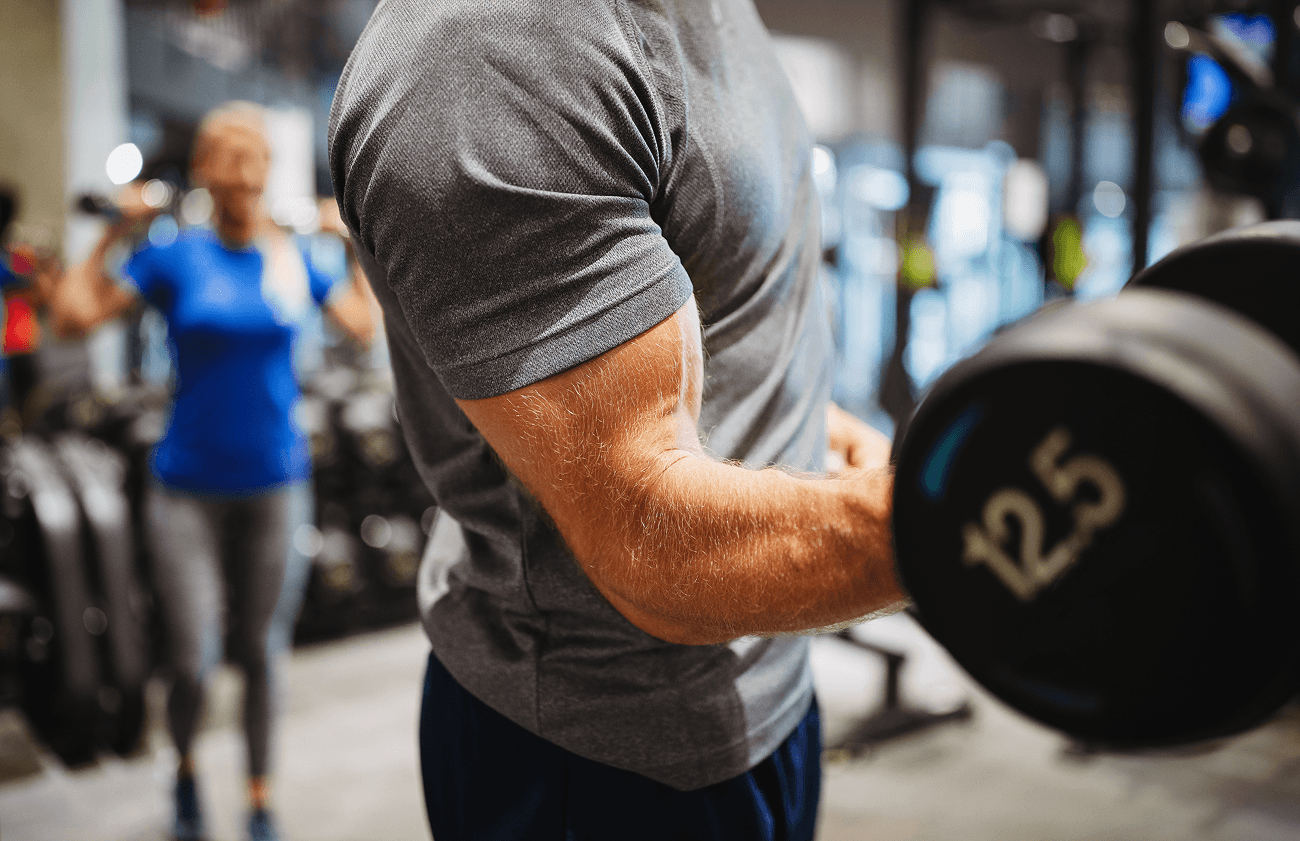
Are triceps stronger than biceps? There is no single answer from size alone: elbow-extension and elbow-flexion strength depend on joint angle, test method, training, and the other muscles involved. The triceps are generally larger than the biceps, but both deserve training according to your goals.
So which should you prioritize, triceps or biceps? Let’s break down the differences, functions, and the best way to train both effectively.
What Are the Triceps and Biceps?
Biceps Muscle Explained
The biceps muscle is located on the front of your upper arm. It has two heads (hence “bi-ceps”) and is primarily responsible for:
Flexing the elbow
Rotating the forearm (supination)
Biceps are the muscle you see when you flex your arm, making them a popular focus for aesthetics.
Triceps Muscle Explained
The triceps muscle sits on the back of your upper arm and consists of three heads. Its main function is:
Extending the elbow
The triceps are a substantial contributor to upper-arm muscle volume. The familiar “two-thirds of the arm” phrase is a rough shorthand, not a fixed proportion of everyone’s total arm mass or cross-section.
Triceps vs Biceps: Key Differences
1. Size and Muscle Contribution
Triceps: generally larger in muscle volume than the biceps, with substantial individual variation
Biceps: Smaller but more visible when flexed
If your goal is bigger arms, focusing on triceps exercises is essential.
2. Function and Movement
Biceps: Pulling movements (e.g., curls, rows)
Triceps: Pushing movements (e.g., presses, extensions)
This means your triceps are heavily involved in compound exercises like bench presses and push-ups.
3. Training Frequency
Both muscle groups can be trained multiple times per week, but:
Triceps are often indirectly trained during chest and shoulder workouts
Biceps are trained during back workouts
Should You Train Triceps More Than Biceps?
Not automatically. Give extra attention to whichever muscle or task you want to improve, after accounting for the pressing and pulling already in your program.
Why Prioritize Triceps?
They can add muscle to the back of the upper arm
Improve pressing strength
Train elbow extension; visible definition also depends on body fat
Train both elbow flexion and extension, but equal exercise counts are not a requirement. Judge the balance by your goals, workload, comfort, and progress.
Best Tricep Exercises for Growth
Here are some effective tricep exercises to include in your routine:
1. Triceps Workout with Dumbbells
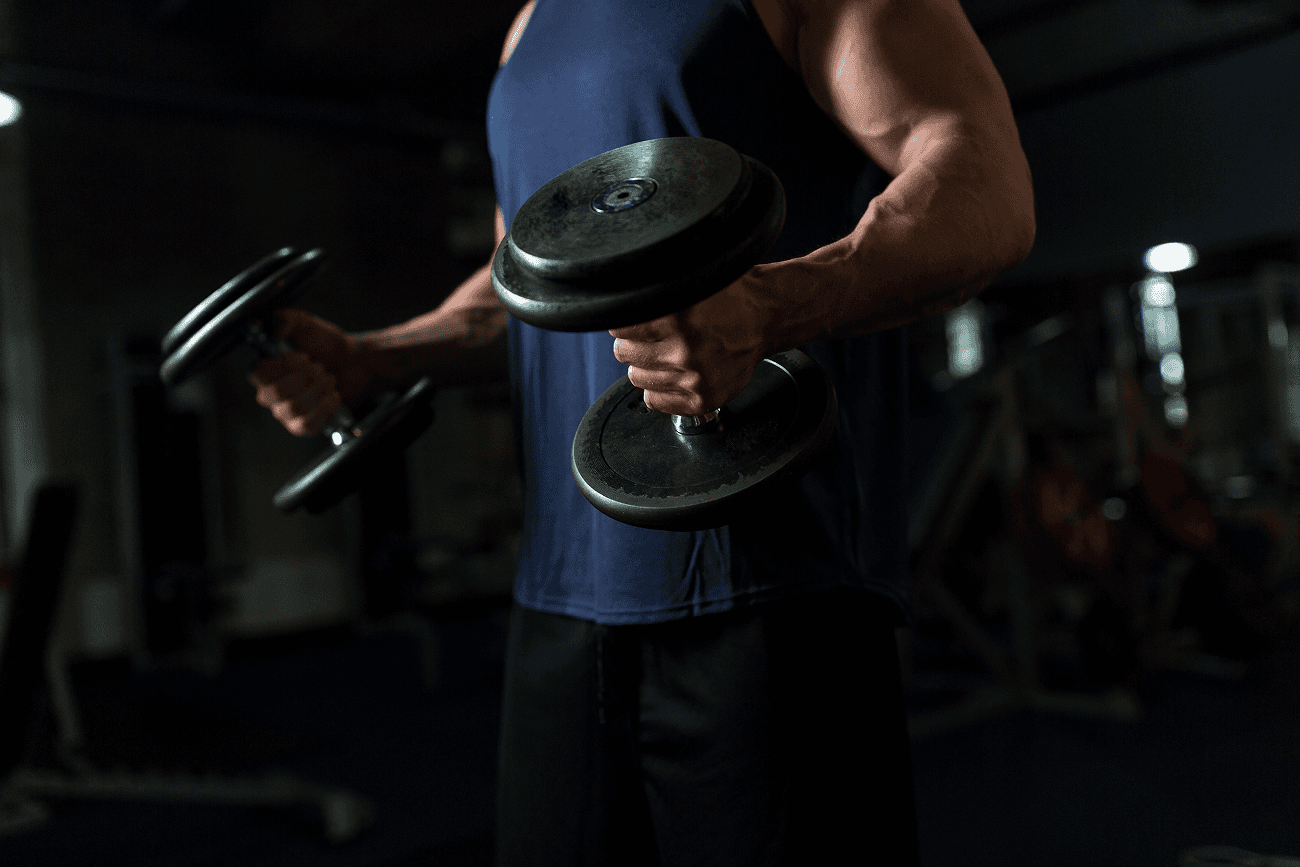
Dumbbell overhead extensions
Dumbbell kickbacks
Close-grip dumbbell press
These are great for a triceps workout at home with minimal equipment.
2. Bodyweight Triceps Exercises
Dips
Push-ups (close grip)
Close-grip push-ups can be scaled by elevating the hands on a stable surface. Dips require more strength and shoulder control, so they are not a default beginner exercise.
3. Tricep Machine Workouts
Using a tricep machine at the gym can help isolate the muscle:
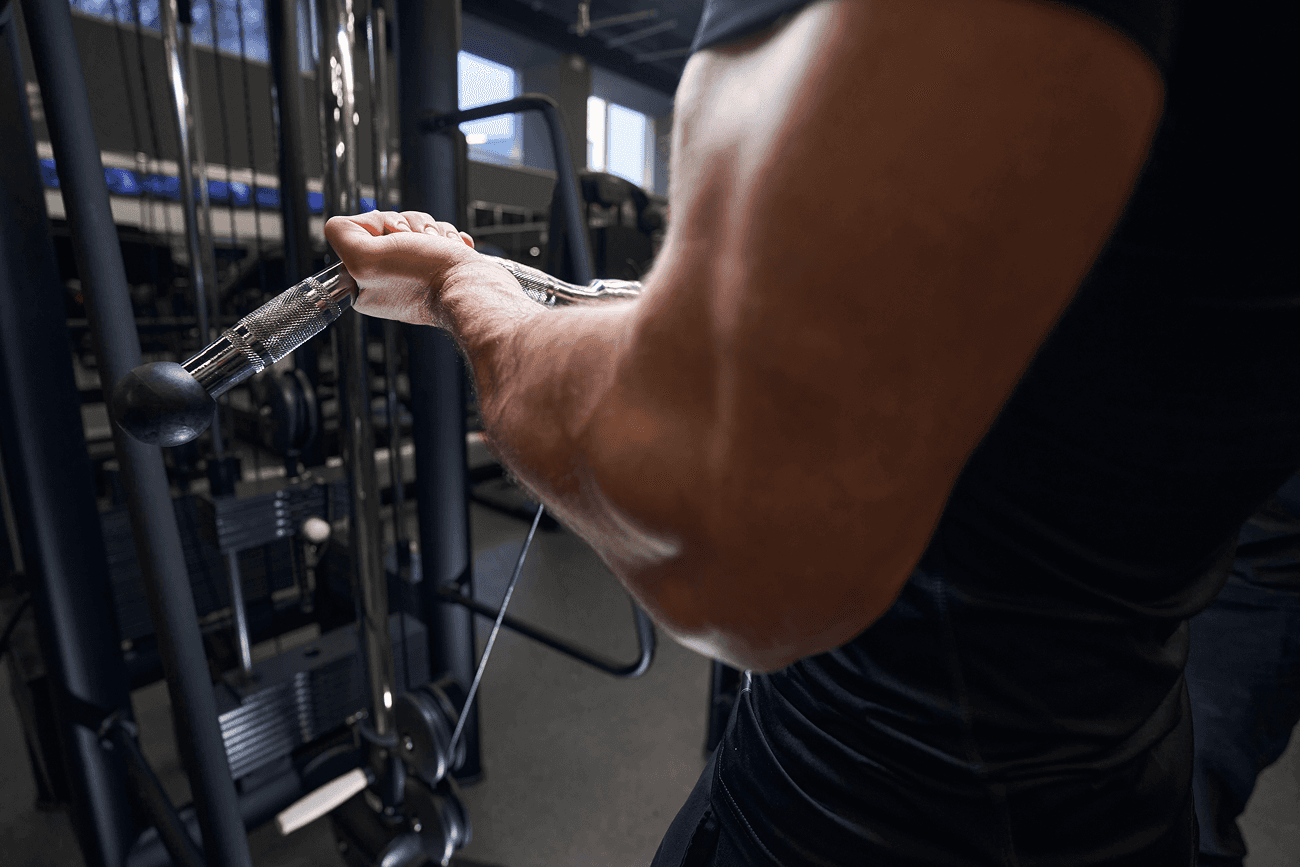
Cable pushdowns
Machine dips
Best Bicep Exercises to Complement Your Routine
To balance your training, include:
Barbell curls
Hammer curls
Chin-ups
These exercises help build strength and improve arm symmetry.
Triceps and Biceps Workout Strategy
A practical starting approach:
Distribute direct arm work across one or two sessions as your wider program allows
Use a mix of compound and isolation exercises
Add triceps or biceps work only when the goal and recovery justify it
Example Split:
Push Day: Focus on triceps exercises
Pull Day: Focus on biceps
Arm Day (optional): Train both
Common Mistakes to Avoid
Overtraining biceps and neglecting triceps
Using poor form during curls or extensions
Ignoring progressive overload
Consistency and proper technique matter more than doing endless reps.
What Research Can Tell Us About Arm Training
Anatomy helps explain exercise selection, not a universal volume ratio. The triceps long head crosses the shoulder, and a 12-week elbow-extension study found greater triceps growth from overhead than arm-at-side cable training. That supports overhead extensions as an option when comfortable, without establishing a fixed size share or a best exercise for every person.
Weekly workload matters, but more is not always better. The 2017 volume meta-analysis found a dose-response trend across study groups, rather than a minimum everyone must reach. A later frequency meta-analysis found no meaningful hypertrophy advantage for higher frequency when weekly volume was equated. Frequency is therefore a way to distribute work and manage fatigue.
An Adjustable Starting Plan
Triceps: for example, 2 sets of an extension in each of two weekly sessions, in addition to any pressing already performed.
Biceps: for example, 2 sets of a curl in each of two weekly sessions, in addition to any pulling already performed.
These four direct sets per muscle are a starting example, not an optimum for everyone. Use roughly 8–15 controlled reps, leave a few reps in reserve while learning, and add reps or load when repeatable performance improves. Increase sets only if progress and recovery support it.
Need movements to fill that volume? Borrow from our guide to the 10 best bicep exercises that actually work, and dial in scheduling with our science-based breakdown of how often you should train biceps.
Final Thoughts: Tricep vs Bicep Training
The tricep vs bicep debate isn’t about choosing one over the other, it’s about understanding their roles.
Want bigger arms? Train both the triceps and elbow flexors rather than relying only on curls.
Want a specific strength improvement? Prioritize the relevant movement and track it consistently.
Want convenience? Use triceps workout at home options with dumbbells
A plan you can repeat and recover from is more useful than automatically assigning extra volume to the larger muscle. Adjust your training based on the goal and your response.
Frequently Asked Questions: Biceps vs Triceps
Which is bigger, biceps or triceps?
The triceps generally have more muscle volume than the biceps, but the ratio varies and does not equal a fixed share of total arm mass. Other muscles, bone, and fat also contribute to arm size. Size alone cannot establish which movement will produce more strength.
Should beginners train biceps and triceps on the same day?
Yes. Beginners can pair a curl and an extension in the same session or place them after full-body, push, or pull work. Start with modest direct volume and account for compound pressing and pulling rather than adding a large dedicated arm day automatically.
Do I need to train biceps and triceps directly if I do compound lifts?
Not necessarily. Presses and pulls can train the arms, while curls and extensions add focused work when arm strength or size is a priority. Add direct sets according to your goals, current workload, and recovery. See compound versus isolation lifts for the distinction.
Why won’t my arms grow even though I train biceps?
There is no single cause. Review your overall workload, effort, progression, recovery, and nutrition. Include triceps work if it is missing, but do not assume it is the most common explanation or immediately take every set to failure.
Build Bigger Arms With a Smart Program
Arm growth comes down to hitting both muscles with enough quality volume and progressively adding load over time. Structure your week with a proven split like the Push Pull Legs (PPL) split, apply progressive overload, and understand the science of how hypertrophy actually works so every curl and extension counts.