Beginner Full Body Workout Guide: Simple Plan, Form Tips, and Progression
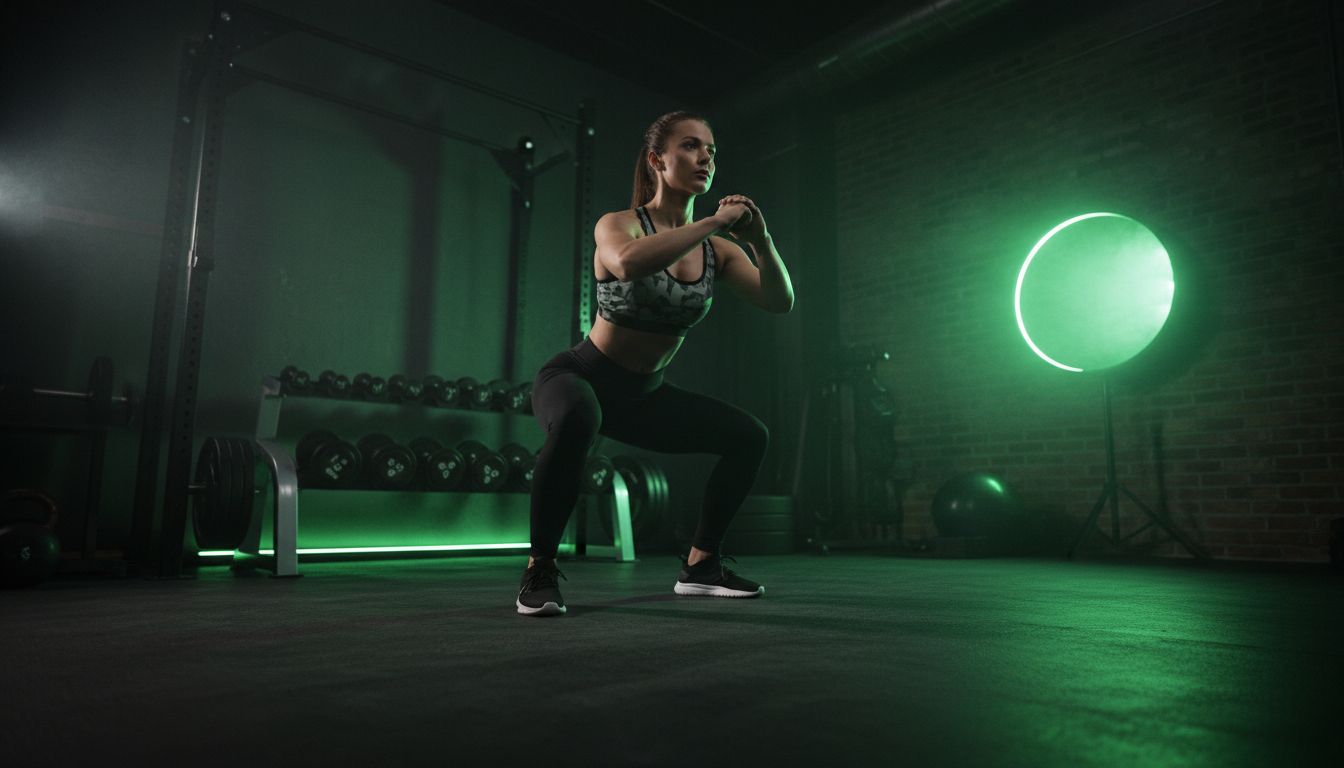
A beginner full body workout is one of the most practical ways to start strength training because it lets you train all the major muscle groups without building a complicated split first. Federal guidance says adults should do muscle-strengthening work at least two days each week, and both CDC and ODPHP note that starting with small amounts and building up over time is a smart way to stay consistent. (cdc.gov)
What a beginner full body workout should do
The best beginner plans are simple. They use a few core lifts, keep the total number of exercises manageable, and leave enough recovery so you can repeat the plan consistently. Mayo Clinic says beginners can use bodyweight moves, resistance tubing, free weights, or machines, and it recommends warming up, choosing a load that challenges you for about 12 to 15 reps, and resting a full day between sessions for the same muscle group. (mayoclinic.org)
That is why a beginner full body workout is usually better than a long, complicated split. You practice the basics more often, you learn form faster, and you reduce the chance of getting stuck in a plan that feels too hard to repeat. For a deeper refresher on movement quality, Core Principles & Techniques for Every Lifter - Setgraph is a helpful follow-up. (setgraph.app)
The best beginner exercises and movement patterns

A beginner full body workout usually revolves around a few movement patterns: squat, push, pull, and core. CDC says muscle-strengthening work should cover the major muscle groups, and Mayo Clinic lists bodyweight exercises such as push-ups, planks, lunges, squats, and pull-ups as simple ways to train them. That is why a short routine can still feel complete. (cdc.gov)
Squat: bodyweight squats or goblet squats work the legs and hips. (cdc.gov)
Push: push-ups, incline push-ups, and dumbbell presses train the chest, shoulders, and arms. (cdc.gov)
Pull: rows or pull-up variations balance the back and arms. (cdc.gov)
Core: planks and similar bracing drills help you stay controlled when the workout gets harder. (mayoclinic.org)
If you want a deeper refresher on movement quality, Core Principles & Techniques for Every Lifter - Setgraph focuses on the core principles and techniques every lifter needs. (setgraph.app)
How to structure sets, reps, and weekly frequency
For beginners, a little goes a long way. CDC and ODPHP recommend at least 2 days of muscle-strengthening activity each week, and Mayo Clinic says two or three 20- or 30-minute strength sessions can improve strength. If you are very new, start with one set per exercise, then build toward 2 or 3 sets as recovery improves. (cdc.gov)
Frequency: 2 to 3 nonconsecutive days per week is enough for most beginners. (cdc.gov)
Sets: one set is a valid starting point, and 2 to 3 sets can help as you get used to the work. (niddk.nih.gov)
Reps: 8 to 12 reps is a strong default, and 12 to 15 reps can work well with lighter resistance if the last reps still feel challenging. (health.gov)
Warm-up: spend 5 to 10 minutes on brisk walking, easy cycling, or another light cardio option before lifting. (mayoclinic.org)
Recovery: rest one full day between sessions for the same muscle groups. (mayoclinic.org)
Breathing and effort: use controlled motion, do not hold your breath, and stop if a movement causes pain. (nih.gov)
A simple beginner full body workout you can use this week
This template keeps things conservative on purpose. It uses bodyweight and light-resistance options that Mayo Clinic and NIDDK both recognize as valid strength-training tools, and it stays short enough to repeat two or three times a week. (mayoclinic.org)
Warm-up
5 to 10 minutes of brisk walking, easy cycling, or marching in place. (mayoclinic.org)
Workout
Squat to a chair or bodyweight squat - 1 to 2 sets of 8 to 12 reps.
Incline push-up against a wall, bench, or sturdy counter - 1 to 2 sets of 8 to 12 reps.
Resistance-band row or machine row - 1 to 2 sets of 8 to 12 reps.
Reverse lunge or split squat - 1 to 2 sets of 6 to 10 reps per leg.
Plank - 2 sets of 20 to 30 seconds.
If you only have bodyweight, keep the squats, push-up variation, lunges, and planks. If you have a band or a machine, use it for the pulling movement. The goal in week one is not to crush yourself, it is to complete clean reps that you can repeat next time. That lines up with the advice to start slowly, use small amounts of weight, and build from there. (niddk.nih.gov)
Form cues that keep the routine safe
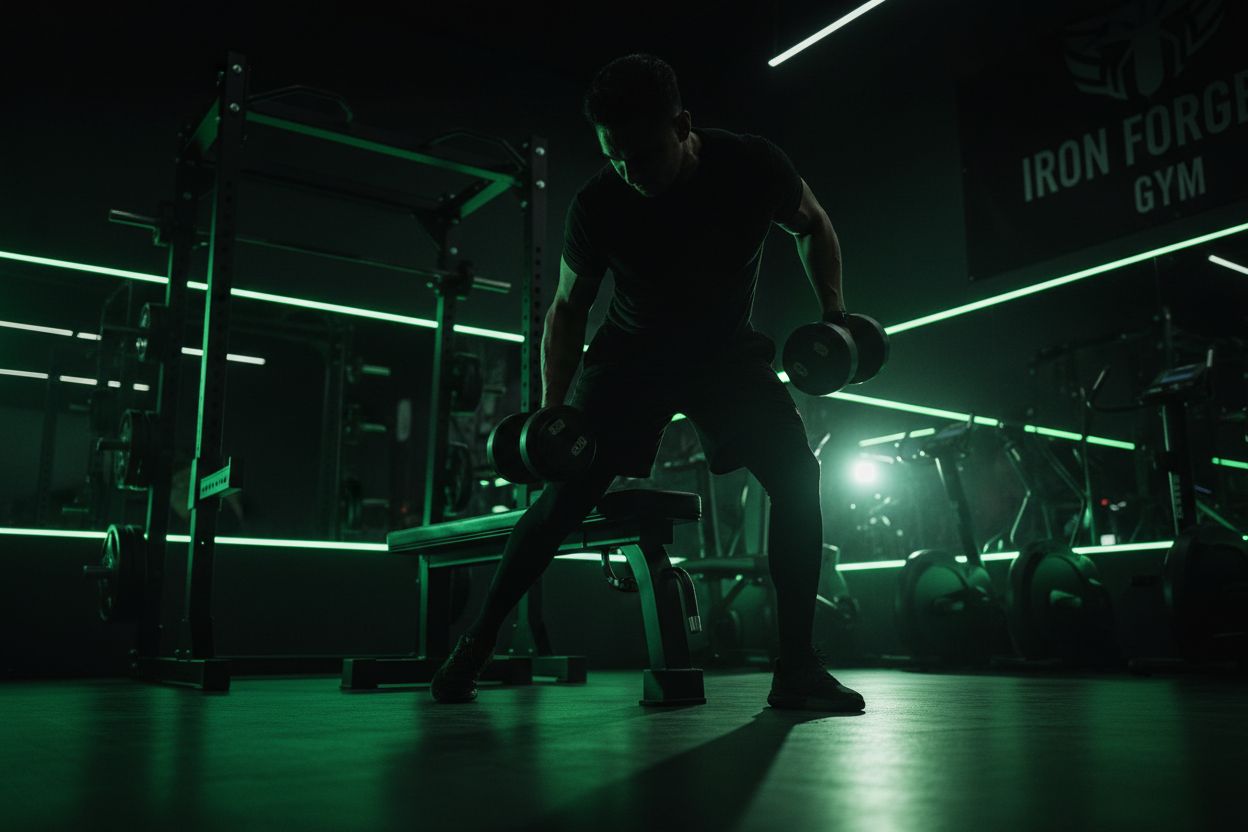
Good form matters more than fancy exercise selection. The NIH recommends starting slowly, focusing on form, using small amounts of weight, and avoiding jerky or thrusting motions, while Mayo Clinic says to warm up, breathe during the lift, and stop any exercise that causes pain. If you're new or have a chronic condition, it is smart to check with a clinician or trainer before you push intensity. (nih.gov)
A few practical cues help a lot:
Move through a range of motion you can control.
Keep your torso steady instead of rushing the rep.
Lower each rep slowly enough that you can feel where your body is.
Use the lighter version of the exercise if your posture breaks down.
If you want more on exercise selection, rest, and load, Optimize Your Training | Expert Tips and Workout Guides offers research-backed tips. (setgraph.app)
How to progress without overthinking it
Progress for beginners usually means one thing, do a little more over time without wrecking recovery. Mayo Clinic says that when you can easily do more reps, you should gradually increase the weight or resistance, and ODPHP says people who start small are more likely to stick with physical activity as they slowly build fitness and strength. (mayoclinic.org)
A simple progression rule works well:
First, add reps until you reach the top of your rep range with good form.
Next, add a small amount of resistance.
Only then add a set if recovery still feels easy.
Keep the schedule steady for a few weeks before changing exercises.
This is the part where many beginners do too much too soon. You do not need a new program every Monday. You need a version of the plan you can repeat, recover from, and improve little by little. (odphp.health.gov)
How to track workouts and stay consistent

Tracking your sessions can make beginner progress much easier to see. ODPHP notes that using technology to track physical activity can improve activity levels, and Setgraph’s reviews page highlights user feedback on tracking sets, reps, workouts, and progressive overload. If you want a digital place to keep your log, Setgraph - Workout Tracker Gym Log App is a straightforward option. (odphp.health.gov)
You do not need a complicated system. Write down the exercise, the weight or resistance, the sets, the reps, and one sentence about how it felt. That is enough to answer the two questions that matter most, what did I do last time, and what should I change this time? If you want more context on the app itself, Setgraph App Reviews (2025): User Ratings for Tracking Sets, Reps & Workouts gathers feedback in one place. (setgraph.app)
Common beginner mistakes that slow progress
Most beginner mistakes are not about effort, they are about doing too much too soon. The federal guidance emphasizes starting small and building up, and Mayo Clinic recommends proper technique and recovery between sessions, so the goal is to create a routine you can repeat, not one that leaves you wrecked after every workout. (odphp.health.gov)
Skipping the warm-up. Cold muscles are more prone to injury, so take the first few minutes seriously. (mayoclinic.org)
Changing the plan every session. Progress is easier to see when the routine stays stable for a few weeks. (odphp.health.gov)
Adding weight before the reps are clean. If form breaks down, stay where you are until the movement feels controlled. (mayoclinic.org)
Training the same muscles hard on back-to-back days. Give each muscle group time to recover. (mayoclinic.org)
FAQ
How many days should a beginner full body workout be done?
Two to three nonconsecutive days per week is a solid target for most beginners. That fits the CDC recommendation for muscle-strengthening activity at least two days per week and the Mayo Clinic advice to let the same muscle group recover between sessions. (cdc.gov)
Should I use weights or bodyweight?
Either is fine. Mayo Clinic says bodyweight, resistance tubing, free weights, and machines are all valid ways to train, so choose the version you can perform with good form and repeat consistently. (mayoclinic.org)
How long should the workout take?
You do not need hours in the gym. Mayo Clinic says two or three 20- or 30-minute strength sessions a week can improve strength, which is a good reminder that short sessions are enough when they are done well. (mayoclinic.org)
Keep the routine simple for a month before you make it fancy. If you can complete the workout, recover in time for the next session, and add a small amount of reps or resistance when it becomes easy, you are doing it right. If you want a more structured way to turn the plan into a system, Setgraph Training Guide | Maximize Your Workout explains how to leverage the tools for optimal training results. (mayoclinic.org)
Article created using Lovarank