How to Grow Your Biceps: Complete Workout Plan for Size & Strength
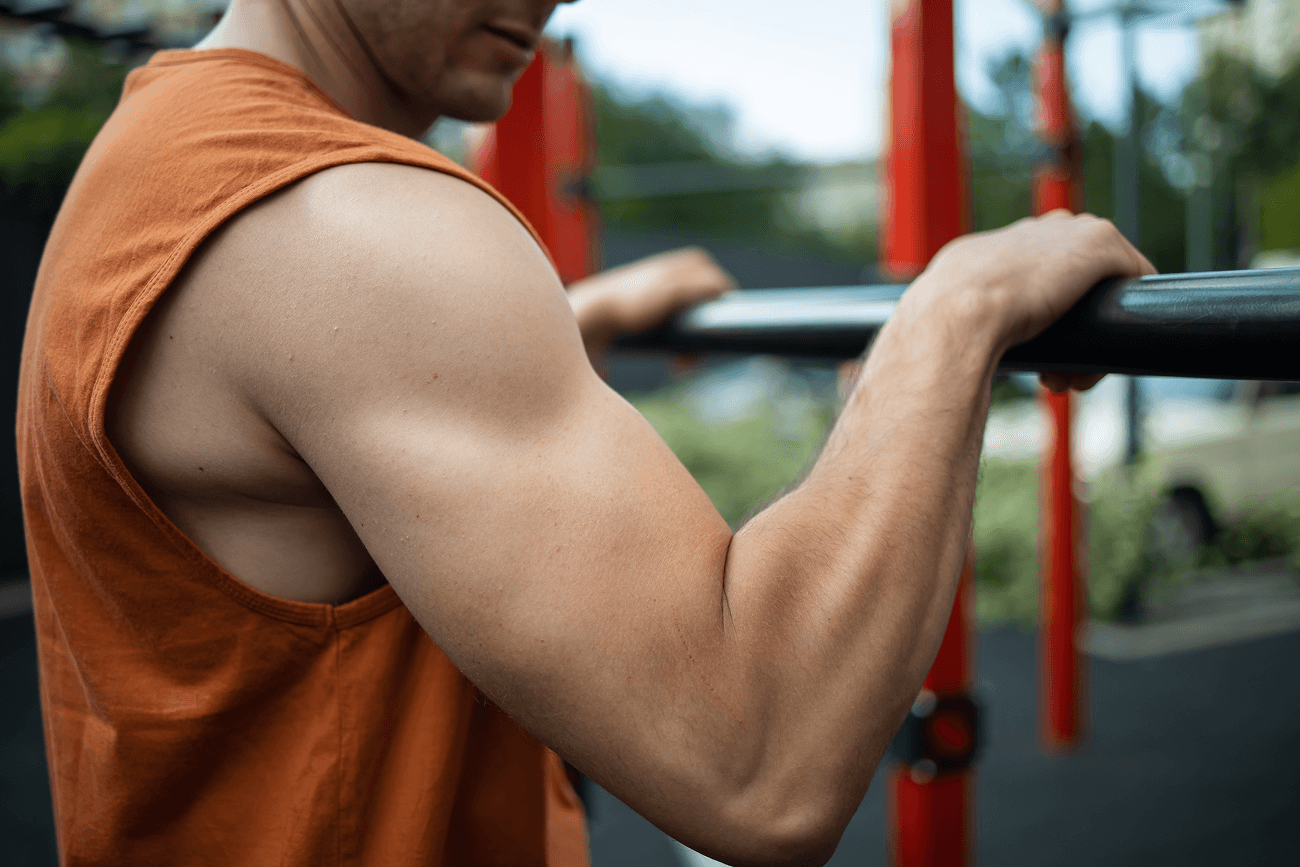
Biceps training can develop arm size and elbow-flexion strength for pulling movements. Grip strength also depends on the hand and forearm muscles, so bigger biceps alone do not establish a stronger grip.
This guide covers curl variations, a twice-weekly example and practical ways to adjust training for size and strength.
Understanding the Bicep Muscle
The bicep muscle (biceps brachii) consists of two heads:
The long and short heads both contribute to elbow flexion and forearm supination.
Muscle shape also reflects anatomy; a particular curl cannot guarantee a higher peak or wider arms.
Its primary functions include:
Elbow flexion (curling motion)
Forearm supination (rotating your palm upward)
Different arm positions and grips change the task, but ordinary curls involve both biceps heads. You do not need a separate isolation exercise for each head.
Why Your Biceps Aren’t Growing
If your bicep workouts aren’t delivering results, here are the most common reasons:
Inconsistent training or insufficient time to assess change
Technique or loads that make sessions difficult to compare
Too little recoverable work, or too much work to recover from
Large load jumps, poor recovery or inadequate food for the goal
Review those factors before adding exercises or training harder.
Biceps exercise options for size and strength
These are useful options. Choose a small selection you can perform consistently rather than treating them as a ranked list.
1. Barbell Curl (Mass Builder)
Targets overall bicep muscle
Allows heavy loading for strength
2. Dumbbell Curl (Balanced Growth)
Allows each arm to work with its own dumbbell
Can help you notice side-to-side differences; it does not automatically correct them
3. Hammer Curl (Thickness & Forearms)
Uses a neutral grip and trains the elbow flexors, including the brachialis and brachioradialis
Grip holds the load, but this is not a complete grip-training program
4. Incline dumbbell curl
Places the upper arm behind the torso
Use a comfortable shoulder position and avoid forcing the bottom range
5. Preacher Curl (Isolation & Control)
The pad supports the upper arm and can limit torso movement
Use a load you control; the support does not eliminate all compensation
6. Cable curl
Cable direction changes the resistance through the motion
Set the pulley and your position consistently when comparing sessions
Complete Bicep Workout Plan
This illustrative routine starts with eight direct curl sets per week. Rows and pull-ups also involve the elbow flexors, so consider that work before adding more curls.
Workout Frequency
Use two non-consecutive sessions, such as Monday and Thursday
Place them after your main pulling work, or on upper-body days
Use controlled reps and initially stop with about 2–3 good reps left
Day 1: Strength Focus
Barbell curl – 2 sets × 6–10 reps
Hammer curl – 2 sets × 10–15 reps
Day 2: Hypertrophy (Size Focus)
Incline dumbbell curl – 2 sets × 10–15 reps
Preacher curl or cable curl – 2 sets × 10–15 reps
Rest Between Sets
Rest about 1–2 minutes between curl sets, or longer if needed to repeat controlled reps
Do not shorten rests solely to chase soreness or a pump
Progressive Overload: The Key to Growth
Use a repeatable exercise and load before increasing the challenge:
Keep the same load while working toward the upper end of the range on every set.
Example: at a given load, 10 and 9 reps in a 6–10 range means repeat it; 10 and 10 with control and the intended effort can justify a small increase.
If performance declines, check total pulling work and recovery before adding direct sets.
Progress is not always linear. Better control and repeatable range help make your log meaningful even when load stays the same.
Proper Form Tips for Bicep Exercises
Using correct technique is critical:
Keep the upper arm stable in the position required by the exercise.
Avoid swinging or using a load that changes the movement.
Control the lift and lowering phase through a comfortable range.
Stop if you develop sharp or worsening pain.
Controlled, repeatable technique helps you manage the exercise and compare sessions. It does not guarantee maximal activation or prevent every injury.
Nutrition for Bigger Biceps
Training alone isn’t enough. To grow your bicep muscle, focus on:
Protein Intake
For healthy adults resistance training, around 1.6 g/kg per day is a useful general reference for total protein intake. This meta-analysis does not establish an exact need for every person.
Calories
Eat enough to support training; a modest surplus can suit a muscle-gain goal, but needs depend on your starting point and circumstances.
Hydration
Supports performance and recovery
Recovery & Muscle Growth
Your biceps grow when you rest—not just when you train.
Get enough sleep and allow time between demanding arm sessions.
Gentle stretching can help flexibility, but it is not a reliable way to prevent post-workout soreness.
Common Bicep Training Mistakes
Avoid these errors to maximize results:
Training arms every day
Ignoring compound exercises (like pull-ups)
Using momentum instead of muscle
Using an inconsistent range that makes sessions difficult to compare
How Long Does It Take to Grow Bigger Biceps?
Changes vary with training history, food, recovery and genetics. Use comparable photos or measurements over time alongside your performance log, rather than a guaranteed growth deadline.
Consistency is more important than intensity alone.
Final Thoughts
Choose a small selection of curls, count their work alongside your rows and pull-ups, and progress only when your reps and control support it. Review your training record and recovery before adding more direct arm work.
