Dumbbell vs Barbell Bicep Exercises: Which Builds More Muscle?
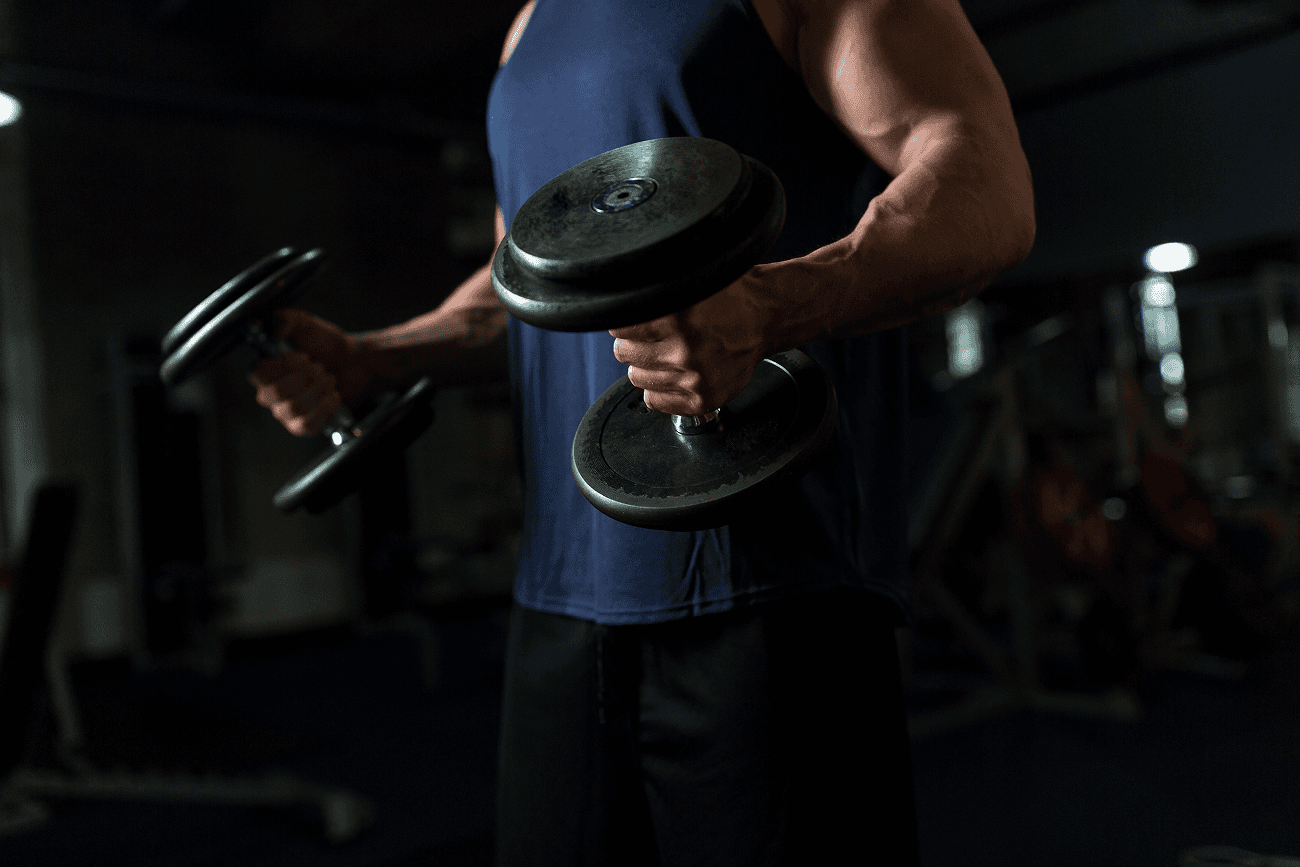
When it comes to building bigger arms, one question keeps coming up: dumbbell vs barbell bicep exercises, which is better for muscle growth?
Both can train the elbow flexors effectively. Neither tool is established here as universally better for muscle growth: choose the one you can use comfortably, control consistently, and progress over time.
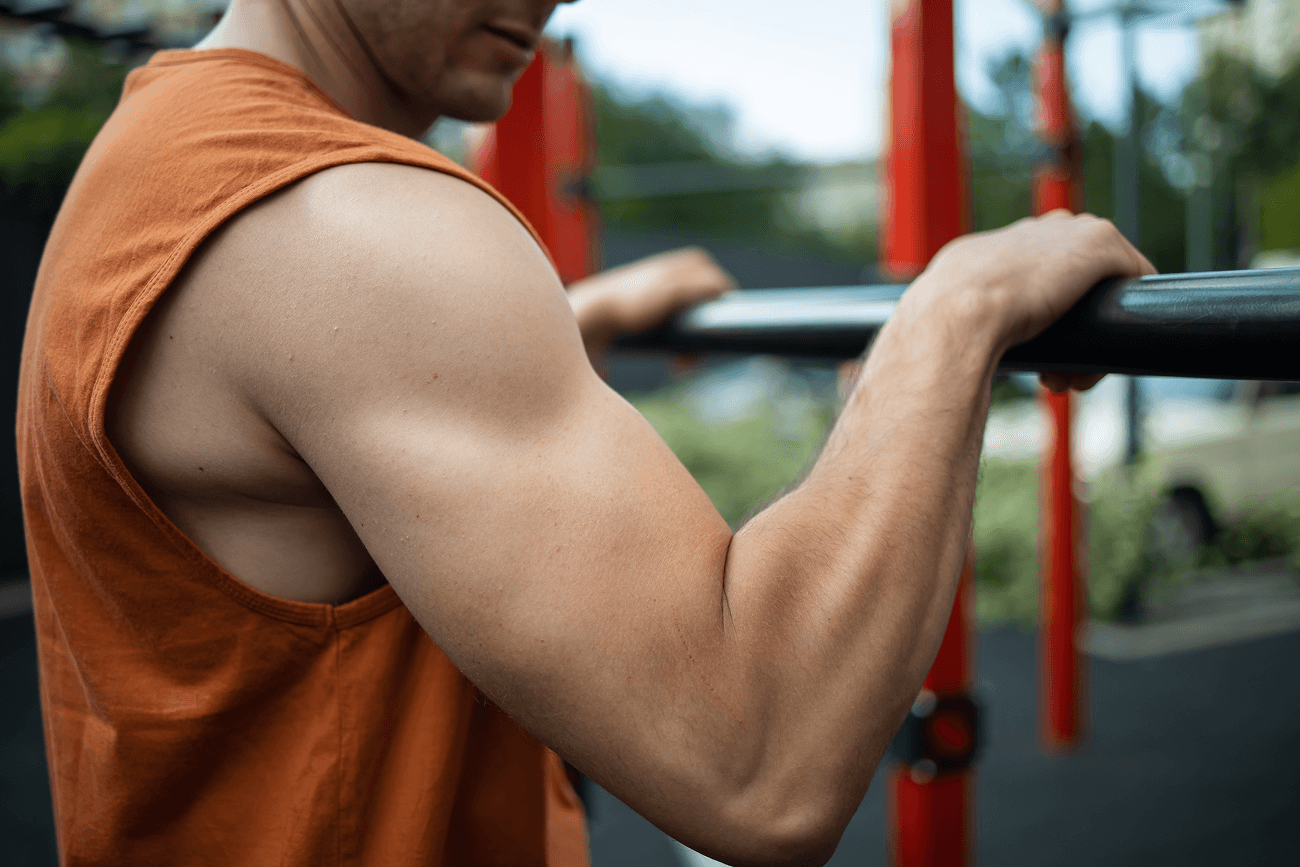
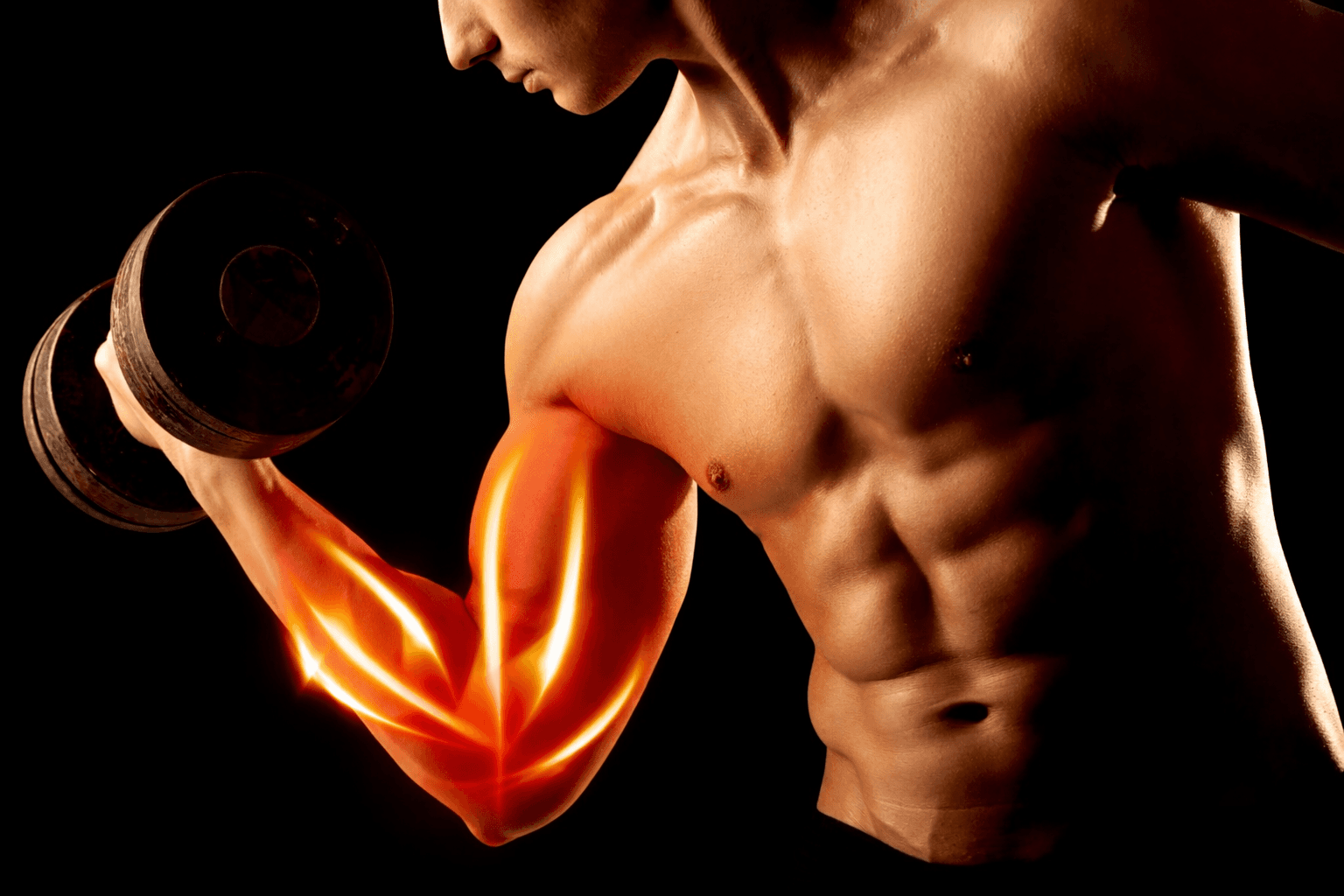
Understanding the Bicep Muscle and How It Grows
The bicep muscle (biceps brachii) has two heads:
Long head: one of the two heads of the biceps brachii
Short head: the other head; both contribute to elbow flexion and forearm supination
To fully develop your arms, your workout should:
Train elbow flexion through a controlled, comfortable range
Include progressive overload
Choose variations that fit your wrists, elbows, and equipment
You can do that with dumbbells, a straight bar, or an EZ bar.
Benefits of Dumbbell Bicep Exercises
Dumbbells offer independent arm paths and grip choices, which can make a curl easier to fit to the individual.
Independent grip and movement: dumbbells let each arm move separately and allow you to choose a comfortable degree of forearm rotation. That flexibility does not automatically mean more muscle activation or growth.
Compare sides: separate dumbbells make it easier to notice differences in repetitions or control. They do not automatically fix an imbalance.
Grip comfort: some lifters prefer the freedom of dumbbells. Comfort depends on the person and technique; there is no established lower injury risk for everyone.
Best Dumbbell Bicep Exercises
Dumbbell curls
Hammer curls
Incline dumbbell curls
Concentration curls
Benefits of Barbell Bicep Exercises
A barbell can be convenient when you prefer a fixed implement and small, repeatable load increases.
Load progression: a bar often allows small plate changes, depending on the equipment available. Lifting a larger total number is not proof of a better biceps stimulus than dumbbells.
Comparable records: note the bar type and total load, including the bar. For dumbbells, record the load per hand consistently; the same displayed number can otherwise mean different work.
Session organization: a bar trains both arms together, as simultaneous dumbbell curls can too. Choose the setup that is easiest to repeat without rushing.
Best Barbell Bicep Exercises
Barbell curls
EZ-bar curls
Close-grip barbell curls
Dumbbell vs Barbell Bicep Exercises: Key Differences
Factor | Dumbbells | Barbells |
|---|---|---|
Muscle Balance | Each arm can be monitored separately | Both arms share one implement |
Weight Load | Depends on the available dumbbells | Depends on plates and bar |
Range of Motion | Independent arm paths and grip rotation | Fixed grip; straight and EZ bars feel different |
Comfort and control | Choose a tolerable grip and range | Choose a tolerable grip and range |
Evidence for muscle growth | No universal superiority established | No universal superiority established |
Which Builds More Muscle?
Either can support muscle growth. An EMG study of 12 participants compared one set of ten repetitions at 65% 1RM with dumbbell, straight-bar, and EZ-bar curls. The EZ-bar condition showed higher electrical activity than dumbbells for some measurements. This was an acute exercise comparison, not a long-term muscle-growth or injury trial, so it cannot establish a universal winner.
A bar may suit you if the grip is comfortable and small load increases are convenient.
Dumbbells may suit you if you prefer independent arm movement or grip rotation.
You can combine them for variety, but using both is not required for complete biceps development. “Definition” also depends on body composition, not a special dumbbell effect.
The Best Strategy for Bigger Biceps
Choose a modest amount of direct work alongside your pulling exercises. Here is a starting example:
Sample Workout
Barbell or EZ-bar curl — 2 sets of 8–12 reps
Incline or standing dumbbell curl — 2 sets of 10–15 reps
Optional alternative: use hammer curls instead of the second exercise if you prefer a neutral grip.
Leave about two controlled reps available and rest roughly one to two minutes, or longer if needed. Repeat on one or two non-consecutive days according to the rest of your program.
Progression check:
Keep the exercise, technique, and range consistent
Add reps within the range before increasing load
Count other pulling work when deciding whether more curls are needed
Common Mistakes to Avoid
Using momentum instead of controlled reps
Using a load that prevents controlled repetitions
Changing the range of motion unintentionally as the load increases
Changing variations so often that sessions cannot be compared
Final Verdict: Dumbbells or Barbells?
If you had to choose just one:
Pick a bar if its grip and load increments work well for you
Pick dumbbells if independent movement feels better
Choose from comfort, control, and repeatable progression. You do not need to buy or use both to make progress.