Best Way to Track Workouts: 8 Methods That Actually Work
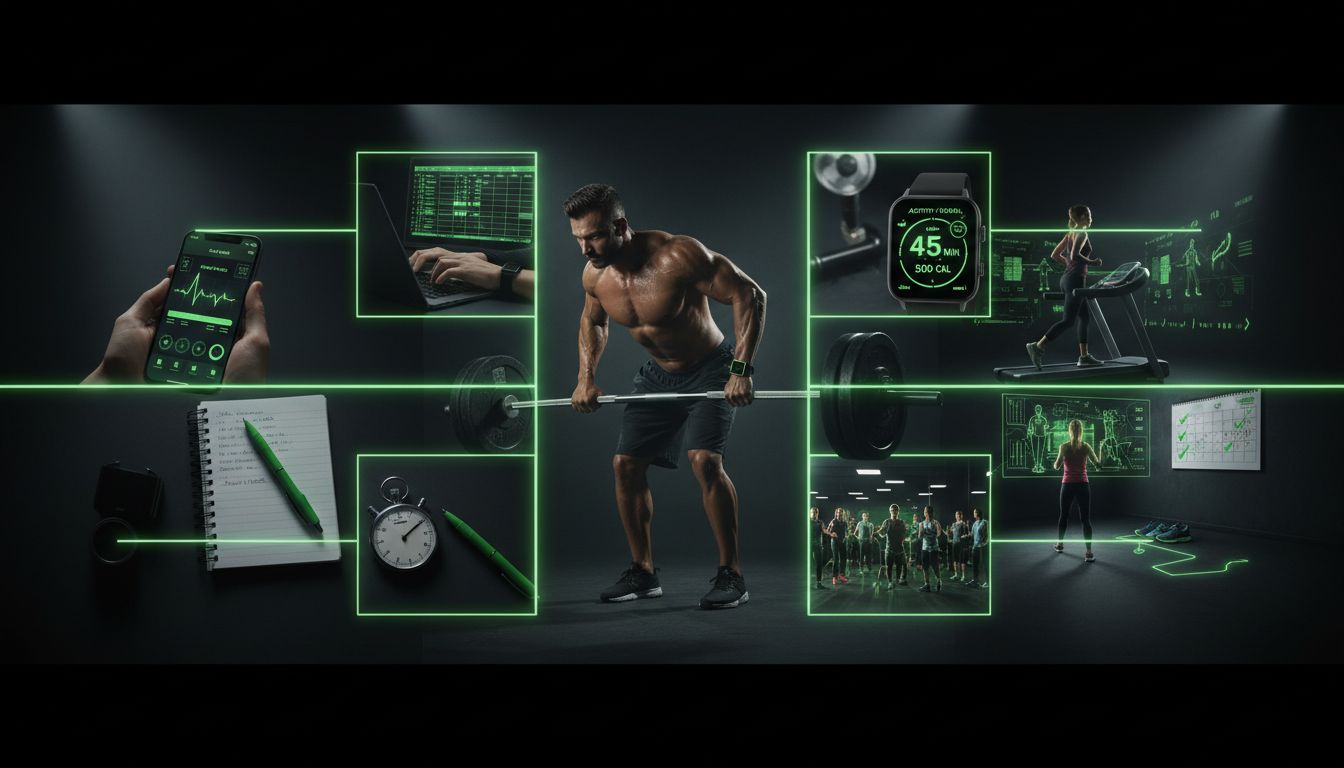
The best way to track workouts is the one you can use every session without slowing yourself down. For most people, that means recording the basics, then using that record to make a better decision next time. If you know what you did last week, you do not have to guess whether to add weight, add reps, shorten rest, or keep the same load and clean up your form.
The method matters less than the habit. A perfect system that you rarely open is worse than a simple one you trust. That is why the smartest workout tracking setup is usually the one that makes logging fast, keeps your data easy to review, and gives you a clear next step for the next workout.
Tracking method | Best for | Main advantage | Main drawback |
|---|---|---|---|
Workout log app | Most lifters | Fast logging and easy progress checks | Can feel too feature-heavy if overused |
Paper notebook | Minimalists | Zero setup and very low friction | Harder to search or sort later |
Spreadsheet | Data-focused users | Sorting, formulas, and customization | Slower to update during a busy session |
Notes app | Beginners | Easy to start today | Can get messy over time |
Wearable + log | Cardio and hybrid training | Better recovery and conditioning data | Not enough for lifting by itself |
1. Use a dedicated workout log app if you want the easiest long-term system
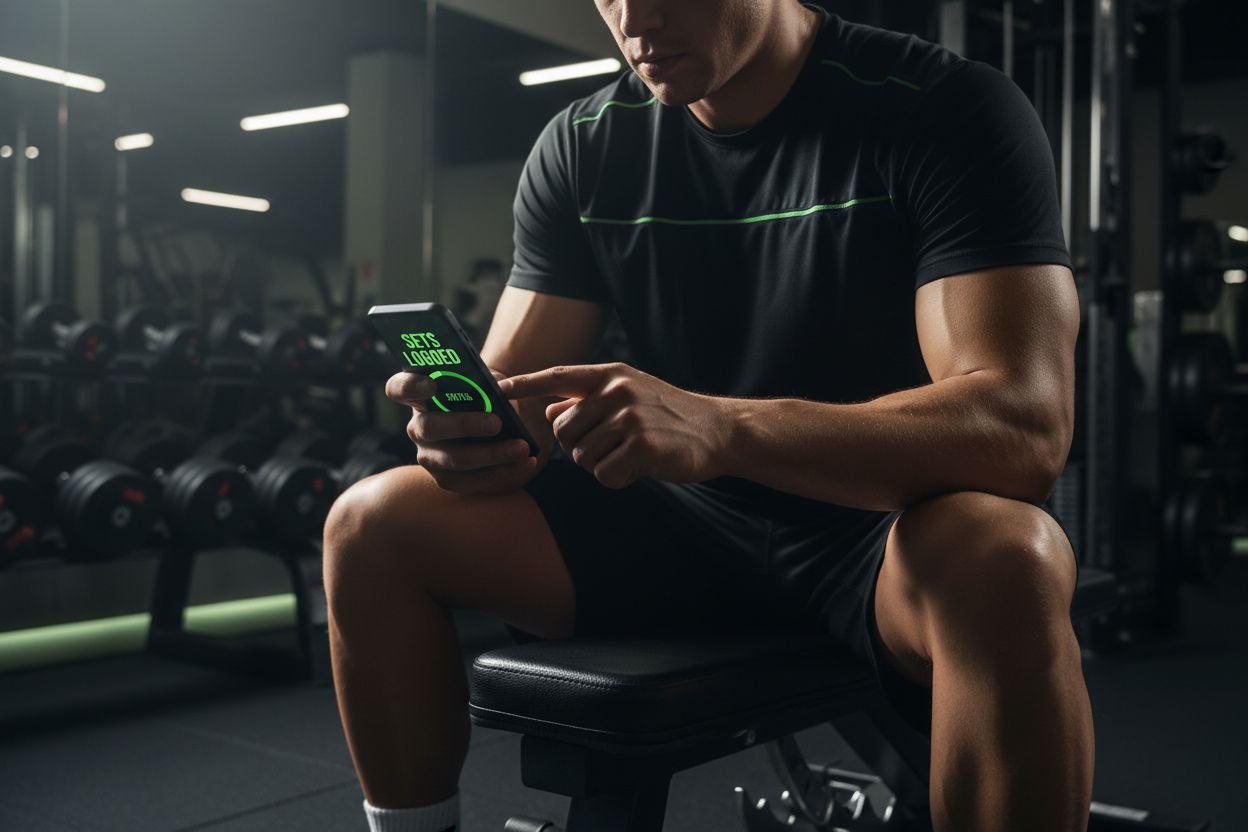
If you want the best balance of speed and consistency, a dedicated workout log app is usually the strongest option. It keeps the important fields in one place, makes it easier to compare sessions, and reduces the chance that you forget what happened in your last workout.
That is especially useful when you train with progressive overload, because the whole point of tracking is to know what to do next. A good app should let you log sets quickly, look back at previous sessions, and see whether you are moving forward in weight, reps, volume, or effort.
Setgraph’s official pages describe that kind of workflow clearly. Its workout log app emphasizes quick set logging, pulling from history, and adding notes. Its product pages also highlight a workout planner and a 1RM calculator, which can be useful if you want your log, plan, and strength targets to work together. The broader Setgraph site also centers on fast logging and progress tracking, and its user reviews page reflects that many lifters value simplicity and clear progress views.
A workout app is the best way to track workouts if you:
want to log during rest periods without breaking concentration
like seeing your previous session before you start the next one
train with repeated exercises and want easy comparisons
care about long-term progress, not just one good workout
The main downside is that some apps can become cluttered if you try to use every feature at once. The fix is simple. Only track what helps you make training decisions.
2. Keep a paper notebook if you want the lowest-friction option
A paper notebook is still one of the best ways to track workouts if you want something that works instantly and never needs charging. It is fast, flexible, and hard to beat when you want to jot something down in the middle of a session.
This option works especially well if you are disciplined and do not need much analysis. You can write the exercise name, your working sets, rest time, and a short note about how the lift felt. Many lifters like paper because it feels simple and direct, not like another screen to manage.
A good notebook page can be as basic as this:
Date
Workout split or body part
Exercise
Sets x reps x weight
Rest time
Short note on form, effort, or pain
For example:
Bench press, 185 x 5, 5, 4, rest 2:00, last set slowed down
Lat pulldown, 130 x 10, 10, 9, good control, increase next time if clean
Paper works best when you already know your routine and want to keep your attention on the workout itself. The downside is that it is harder to search, sort, and analyze later. If you want trends across months, you will need to flip through pages manually.
3. Use a spreadsheet if you want more control over your data
A spreadsheet is the best way to track workouts if you enjoy structure and want to dig into your numbers later. It gives you more control than paper and more flexibility than a basic notes app.
With a spreadsheet, you can sort by exercise, calculate weekly volume, highlight personal records, and compare sessions side by side. That makes it a strong choice for people who like data, especially strength trainees who want to see how total work changes over time.
Spreadsheets also make it easier to build a custom tracking system. You can add columns for:
exercise name
date
load
reps
sets
rest
RPE or effort level
bodyweight
notes
The tradeoff is convenience. A spreadsheet is powerful, but it is not always the fastest thing to update between sets. If you want to log in the gym without missing a beat, you may find it more useful after the workout than during it.
If you go this route, keep the layout simple. The more columns you add, the more likely you are to stop using it.
4. Start with your phone’s notes app if you need the simplest possible first step
A notes app is the easiest way to track workouts if you are just starting out and do not want to learn a new system. Almost everyone already has one on their phone, which removes the excuse of setup time.
This method works well when you keep the format consistent. Use the same order every time, and keep your template short. You do not need a full training journal on day one. You just need enough information to remember what you did and what to do next.
Try a format like this:
Workout date
Main lifts
Working sets
Any PRs
One short note
Example:
Monday
Squat, 225 x 5, 5, 5
Press, 115 x 8, 8, 7
Felt strong, add one rep next week
The notes app is a strong temporary system, and for some people it becomes the permanent one. Its weakness is organization. Once you have dozens of workouts saved, it can get harder to review patterns unless you are very consistent with how you write each entry.
5. Pair a wearable with your workout log for cardio and recovery data
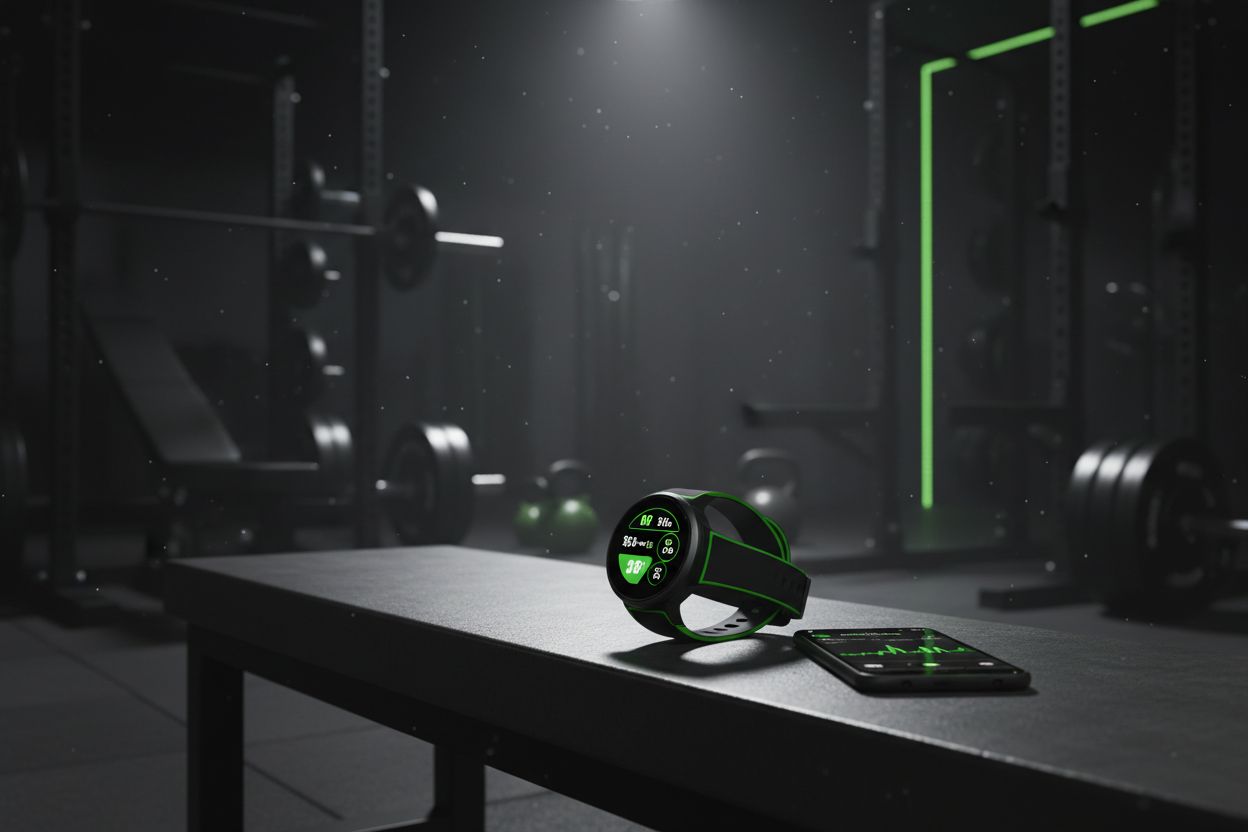
If your training includes running, cycling, classes, or general conditioning, a wearable can add useful context to your log. It helps you track heart rate, duration, pace, steps, and recovery trends, which are harder to capture by hand in real time.
That said, a wearable should not replace your workout log. It is great for cardiovascular training and day-to-day readiness, but it will not tell you enough about your lifting progress unless you also record the actual sets, reps, and weight.
The best setup for hybrid athletes is usually a combination of both:
a workout log for the actual session details
a wearable for heart rate, pace, and activity trends
a simple note about how recovered or fatigued you felt
This gives you a fuller picture without turning tracking into a chore.
6. Track the fields that actually drive progress
If you want the best way to track workouts, do not try to record everything. Track the data that helps you answer a question next time you train.
For strength and muscle-building work, the core fields are usually:
exercise name
date
weight
reps
sets
rest time
notes on form or effort
Depending on your training style, you may also want:
RPE or perceived effort
tempo
bodyweight
range of motion notes
warm-up progression
total session duration
estimated 1RM
That last point matters for lifters who use percentages. A 1RM calculator can help you estimate working weights from a hard set, which is useful if you want to train with a target percentage instead of testing a true max all the time.
The rule here is simple. If a field does not change your next workout, it is optional.
7. Review your last session before you train again
Tracking only works if you actually use the data. The biggest benefit of logging workouts is not the log itself, it is the decision it helps you make before the next session.
Before you start training, look at the last time you did that exercise and ask three questions:
What weight did I use?
How many reps did I get?
What should I change this time?
That one-minute review can help you progress with more confidence. Maybe you add five pounds. Maybe you keep the load and aim for one extra rep. Maybe you decide to keep the same numbers because the last session already felt near your limit.
If you like keeping your targets and exercise notes in one place, a workout planner can make this process easier. It gives you a place to organize the plan before you lift, then compare the plan with what actually happened in the gym.
This step is where tracking becomes useful instead of decorative.
8. Match your tracking method to your goal
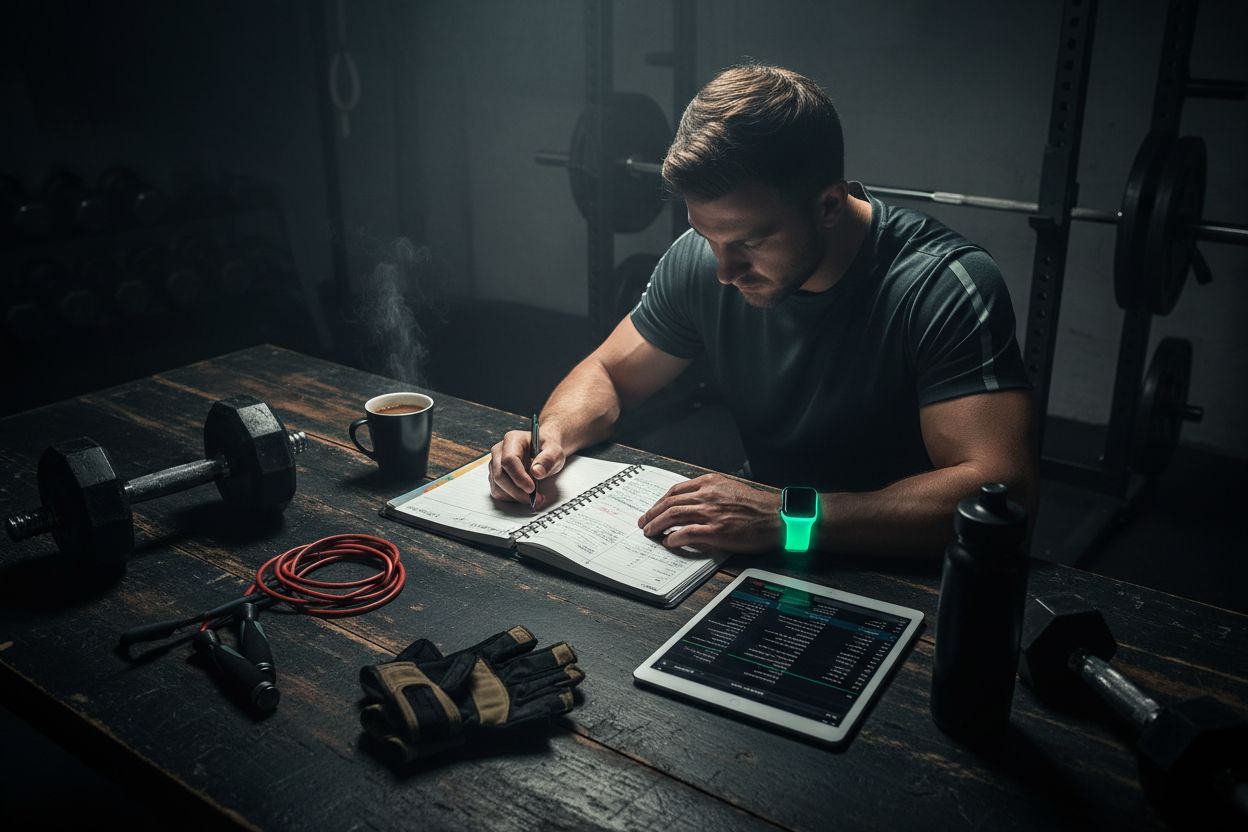
The best way to track workouts depends on what you are trying to improve. A lifter chasing a stronger squat does not need the same log as someone training for a 10K or a general fitness routine.
If your goal is strength
Focus on weight, reps, sets, rest time, and estimated 1RM. Strength progress is often easier to see when you track load progression over time.
If your goal is muscle gain
Track total volume, rep range, exercise selection, and effort. You want enough detail to know whether you are getting more work done with good form.
If your goal is fat loss
Keep the workout log simple, but add cardio time, steps, and maybe bodyweight trends. Fat loss is affected by more than the gym, so your log should reflect that.
If your goal is endurance
Track time, pace, distance, intervals, or heart rate, depending on the activity. For runners and cyclists, performance data matters more than set and rep details.
If your goal is general fitness
Use a short, repeatable log that records what you did and whether it felt easier or harder than last time. Consistency matters more than perfection here.
If your goal is hybrid training
Use a mixed system. Log your lifting sessions in detail and keep your conditioning work leaner. That balance is usually easier to maintain than trying to track every metric for every session.
9. Avoid the mistakes that make workout tracking useless
A tracking system only helps if you can stick with it. These mistakes make people stop logging, or worse, make the data hard to use later.
Tracking too much. If every session feels like data entry, you will stop.
Changing your format every week. Consistency matters more than a perfect template.
Logging from memory days later. The more time that passes, the less accurate the record becomes.
Skipping rest periods. Rest time affects performance, especially on heavy lifts.
Using different exercise names for the same movement. Pick one name and stick with it.
Never reviewing past workouts. A log that is never read will not improve your training.
Forgetting backups. If you use digital tools, make sure your history is not trapped in one place.
The best tracking system is the one that avoids friction. If you have to fight the process, you will use it less.
10. Copy this simple workout log template today
You do not need a complicated setup to start tracking better right now. Use one of these and stay with it for a month before making changes.
Paper or notes app template
Spreadsheet template
Strength-focused template
Cardio-focused template
The point is not to write more. The point is to write enough that your next workout is easier to plan.
The best way to track workouts is the system that keeps you honest, saves time, and gives you a clear next step. For most people, that means a simple log, a consistent template, and a weekly habit of reviewing what changed. If you can do those three things, your workout tracking will actually help you improve instead of just storing numbers.
Article created using Lovarank