How Weight Lifting Helps You Lose Weight
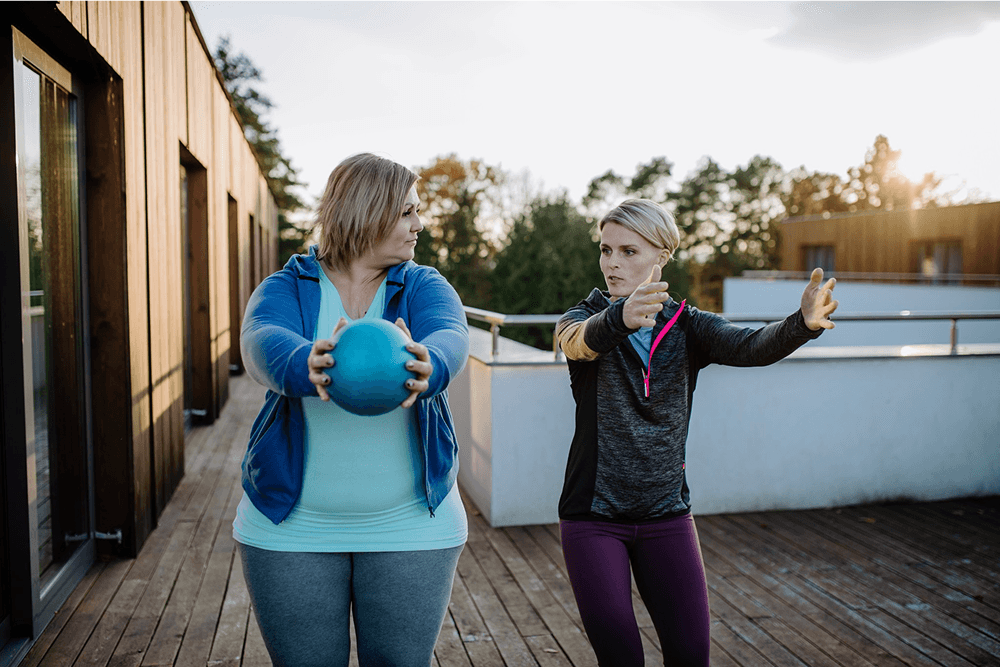
Weightlifting can support fat loss and help preserve strength and lean tissue while you lose weight. It does not guarantee a lower scale reading: sustained weight loss requires an overall energy deficit, and the amount and type of weight lost depend on diet, activity and individual circumstances.
How Weightlifting Supports Weight Management
Muscle and Resting Energy Use
Muscle uses energy at rest, but adding muscle does not create a large automatic calorie deficit. Think of resistance training mainly as a way to maintain or build useful muscle and strength rather than a metabolism shortcut.
Caloric Burn During and After Exercise
Lifting uses energy during the session and recovery. The amount varies, and the post-workout “afterburn” should not be treated as a large, predictable calorie credit. You do not need to chase exhaustion to make a session worthwhile.
Body Composition Changes
The scale cannot separate fat, muscle and water changes. A review of resistance exercise during dietary weight loss found benefits for fat loss, preservation of fat-free mass and strength without greater overall body-mass loss than diet alone. The trials involved adults with overweight or obesity; results vary, and fat-free mass is not identical to measured muscle tissue.
Progress Beyond the Scale
Use several repeatable observations: a trend in body weight if you choose to track it, waist measurements taken consistently, and your training log. A strength increase alone does not prove fat loss, and exercise-related hormone spikes are not a dependable fat-loss mechanism.
Recommendations for Incorporating Weight Lifting into Your Weight Loss Plan
Start with a Balanced Routine
If you are new, start with two manageable full-body sessions on nonconsecutive days. For example, choose a squat or leg press, a hip hinge, a press and a row, using one or two controlled working sets each after warm-up. Use a load that leaves a few repetitions in reserve; you can add work gradually as you learn.
Gradually Increase Intensity
Progress when your current work becomes manageable. For a target of 8–12 repetitions, build repetitions at the same load, then increase the load slightly when all planned sets reach the top at similar effort. During weight loss, maintaining strength can also be a useful result.
Combine with Cardiovascular Exercise
Add walking, cycling, swimming or another enjoyable aerobic activity to support fitness and energy expenditure. Choose a dose that does not repeatedly undermine the lifting sessions, and keep food intake in the overall plan.
Consistency is Key
Choose a routine you can repeat and review trends over weeks rather than judging daily weight changes. If the plan leaves you persistently exhausted or weak, adjust the workload or dietary restriction and seek individual support when needed.
Conclusion
Weightlifting is valuable during weight loss because the goal is more than making the scale drop. Combine a sustainable nutrition plan, manageable lifting and aerobic activity, and assess both function and body-composition trends without promising a particular rate of change.
Setgraph can help you record loads and repetitions and compare similar workouts. The log shows training performance; it does not measure fat loss or guarantee progressive overload.
