How Many Reps for Progressive Overload: A Practical Guide to Choosing Rep Ranges

Progressive overload is the engine of strength and muscle growth, but the question beginners and experienced lifters keep asking is simple and crucial: how many reps for progressive overload actually work? The short answer is there is no single magic number. The right rep range depends on your goal, exercise selection, frequency, and how you measure progress. This article breaks down rep ranges, offers practical templates, and gives step-by-step methods to apply progressive overload reliably.
How reps relate to progressive overload
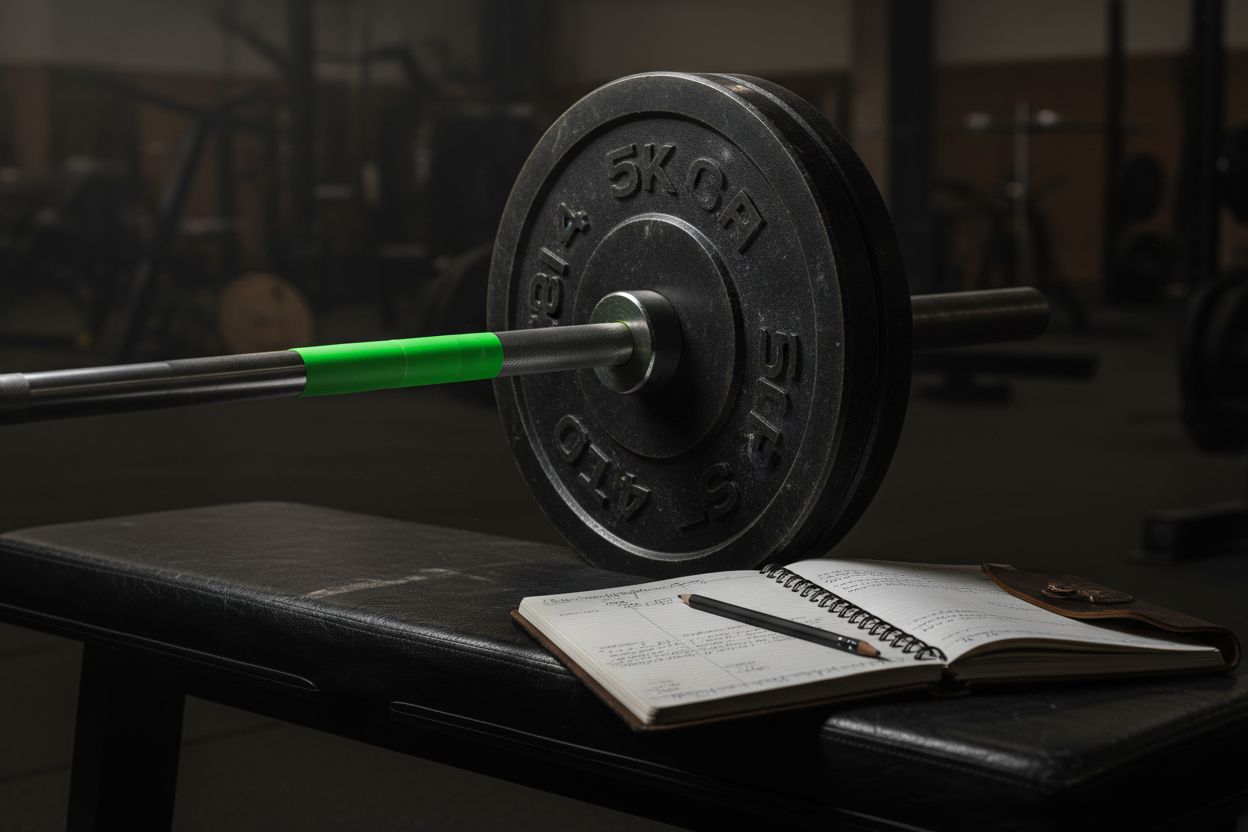
Progressive overload means adjusting training demands as you adapt. Adding repetitions or load are common options. Shortening rest, changing tempo or adding frequency changes the training task and is not automatically a better muscle-building stimulus.
Key principles to keep in mind:
Load: Low-repetition sets often use heavier weights, but repetition count alone does not determine load or effort.
Effort: Record how challenging a set was. Momentary failure is not required for every productive set.
Specificity: Heavier loads are useful for maximal strength; muscle growth can occur across a broader loading range.
If you are asking "how many reps for progressive overload" you should first define whether you’re prioritizing strength, hypertrophy, endurance, or a blend of these.
Common rep ranges and what they do
1–5 reps: Often used for heavy strength practice; allow enough rest and use an appropriate setup.
6–12 reps: A practical range for many strength and muscle-building exercises.
12–20 or more reps: Can develop muscular endurance and muscle size when sufficiently challenging. Higher reps are not limited to conditioning.
These ranges are guidelines not rules. You can build muscle with heavy sets of 4 or lighter sets of 20 as long as volume and effort are sufficient.
Practical rep schemes and templates for progressive overload

These are programming examples for healthy adults familiar with the exercises, not individualized routines. Use a manageable amount of work, and progress only when the current target, technique and effort support it.
Beginner example: a familiar lift within a simple program
Choose a manageable target, such as 2–3 sets of 8–12 repetitions, within your overall routine.
Keep technique and rest consistent.
Add repetitions when ready; when every set reaches the upper target at the planned effort, try the smallest suitable load increase.
If the increase disrupts technique or drops reps below the range, use a smaller increment or repeat the previous load.
Hypertrophy-focused example:
Example format: an upper/lower routine on four days, with rest arranged around recovery.
Choose the number of exercises and sets according to your current capacity; this is not a required weekly-volume target.
Use a range such as 6–10 on selected compounds and 10–15 on selected accessories.
Aim to add reps when ready, then load; repeating a week is acceptable.
Strength-hypertrophy blend (intermediate lifters):
Include some appropriately heavy low-repetition practice if maximal strength is a goal.
Use moderate-repetition work for additional muscle-building practice.
Adjust the total sets across both types of session together rather than stacking two full-volume programs.
Increase one variable when performance and recovery justify it.
Muscular-endurance example:
For a muscular-endurance goal, practice higher-repetition sets on a suitable exercise.
Choose frequency and sets within the total program rather than adding a mandatory high-volume block.
Increase repetitions or load when the target becomes manageable; maintain the same technique standard.
Across all templates, the logic for "how many reps for progressive overload" is to choose a rep range that fits the goal and then use a planned sequence where reps are gradually increased and weight is added in steps.
How to Use a Rep-Range Progression
Choose a working rep range for one familiar lift and define the technique standard.
Record load, reps, rest and estimated effort.
If you meet the upper target across planned sets with appropriate effort, try a small load increase. Otherwise repeat or adjust down as needed.
Do not force a percentage increase in weekly volume. More work is not automatically better.
Use a lighter session or week when fatigue or the program calls for it. A fixed deload every 3–8 weeks is not mandatory.
Stop the provoking activity for pain or concerning symptoms; a progression rule does not provide medical clearance.
Illustrative progression for one lift in an 8–12 rep range; each step can take more than one week:
First target: 3 × 8 at 100 lb
Later target: 3 × 9 at 100 lb
Later target: 3 × 10 at 100 lb
Later target: 3 × 11 at 100 lb
Upper target: 3 × 12 at 100 lb
Next load: try 105 lb only if all three sets remain within 8–12 at the intended effort and technique
This example shows the decision rule, not a guaranteed pace. Repeat a step when needed, and use a smaller load increase if 105 lb takes you below the range.
Volume, intensity, and frequency: balancing the three
Keep workload measures distinct. Volume may mean working sets or total repetitions; volume load combines sets, repetitions and external load. Relative load (a percentage of one-repetition maximum) and perceived effort (such as RPE) describe different things. Frequency records how often you train.
For muscle-building work, track challenging sets per muscle as one guide to workload. More weekly sets can help, but there is no universal 10–20-plus target.
For maximal strength, preserve quality practice with appropriately heavy loads and enough rest.
If adding work reduces technique or later-session performance, review recovery and the amount already in the plan.
If you ask "how many reps for progressive overload" remember to translate reps into weekly volume and not just single-session performance.
Tracking progression and tools
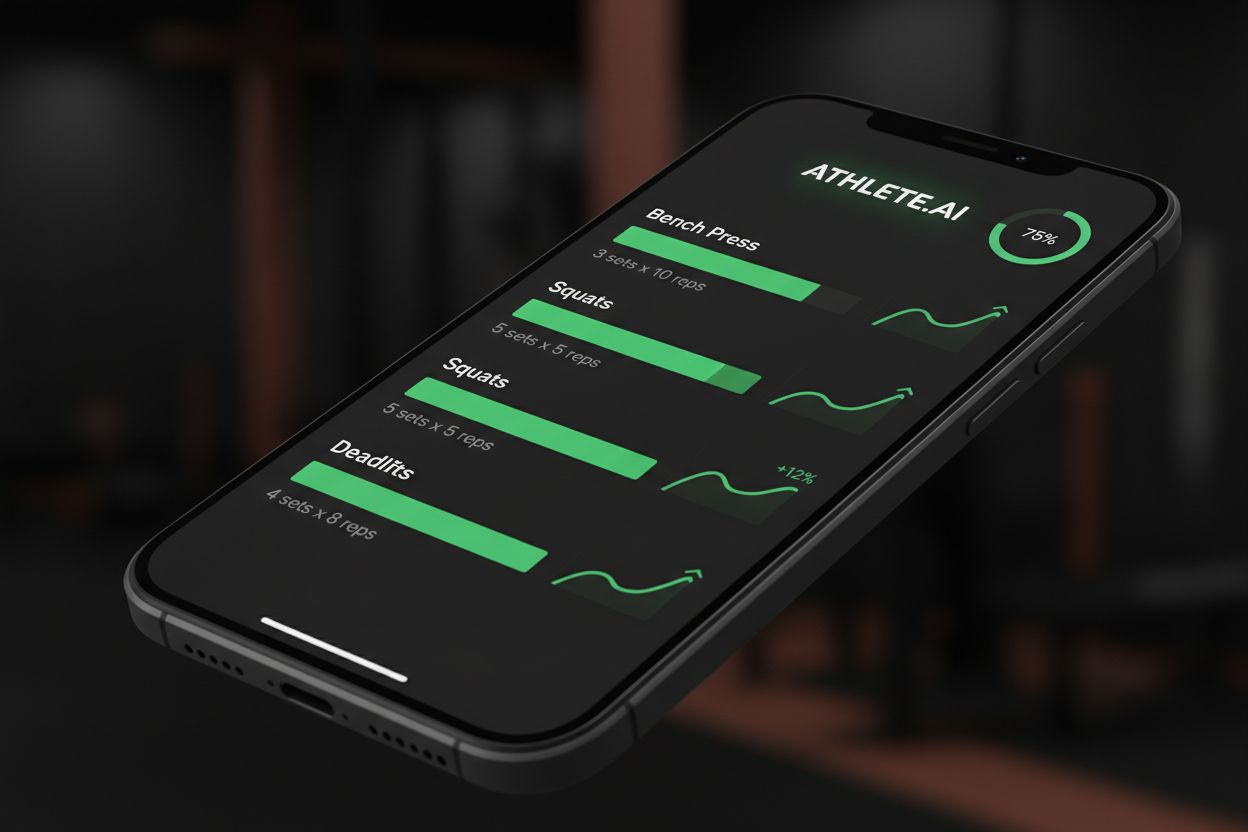
A consistent log helps you compare sessions and notice whether a change in load or reps is supported. A notebook or suitable app can both serve this purpose.
What to track:
Exercise name, weight, sets, reps
RPE or how close to failure you were
Rest times
Notes on technique or aches
For a concrete decision rule, see double progression. Record the same exercise, range of motion and rest before comparing repetitions; the general progressive-overload guide explains the wider concept.
A record helps you evaluate performance in the rep range you chose. Changes in muscle size or other goals need their own assessment.
Common mistakes and how to fix them
Chasing a new record every session: repeat the target or adjust down when readiness is lower.
Calling shorter or faster reps progress: keep a consistent rep standard.
Adding sets automatically after a flat week: first check recovery, effort, rest and recent changes.
Ignoring accumulating fatigue: consider a lighter session or week instead of forcing the next increase.
These checks help you apply the progression rule consistently; they do not eliminate injury risk.
Troubleshooting plateaus
If your reps and weights stop improving:
Check recovery, recent workload and whether rest or technique changed.
Review the trend across several comparable sessions before calling it a plateau.
If a change is justified, adjust one variable and observe the response rather than assuming a new rep range will restart growth.
Seek coaching guidance for a persistent programming problem and clinical advice for pain or unexplained symptoms.
A plateau often signals that the body needs a different stimulus, better recovery, or both.
Sample Eight-Week Review for One Lift
Choose an exercise already in your routine and a range such as 8–12 reps. During weeks 1–4, establish a repeatable baseline and add reps only when the planned effort and technique allow. During weeks 5–8, continue the same rule: try a small load increase after all sets reach 12, or repeat the load if they do not.
For example, 3 sets at 100 lb for 12, 12 and 12 may justify trying 105 lb. If that produces 8, 8 and 7, the new load does not yet meet this example’s minimum; reduce the increment or return to 100 lb. The calendar does not require a load jump.
Quick answers to common questions
Can low-repetition sets build muscle? They can contribute, although heavy low-repetition practice is particularly relevant to maximal strength.
Is 8–12 the only hypertrophy range? No. It is one practical option among several loading ranges.
When should I increase reps or weight? Add reps when the intended effort and technique allow. In this example, try a load increase after all planned sets reach the top of the range, then check the lower limit again.
Final checklist to implement progressive overload with reps
Choose a rep range suited to the exercise and goal.
Record comparable sessions, including estimated effort.
Use a clear progression rule and allow repeated or easier sessions.
Review workload and recovery before adding more work.
Seek appropriate guidance for persistent pain or unexplained symptoms.
Use a notebook or workout log to record the progression rule and your actual sets. Setgraph’s iOS listing describes set logging and progress charts; check the features and access terms in your app.
The useful question is whether the next increase fits your current performance, goal and recovery. Select a rep range, keep the comparison consistent and let readiness govern progression.
