10 Features That Matter in a Fitness App for Tracking Workouts
The best fitness app for tracking workouts is the one that disappears while you train. If logging a set feels clunky, you stop using the app, and once that happens, your workout history turns into guesswork. The right tracker should help you record what you did, show whether you are improving, and stay out of the way when the session gets hard.
That is why the smartest way to choose a workout tracker is to compare features, not marketing claims. Some apps are built for fast gym logging, others are better for cardio or hybrid training, and some try to do everything without doing any one thing well. If you want a simple, log-first example, the Setgraph workout tracker focuses on quick logging and progress tracking, which is exactly the kind of workflow many people want from a modern training log.
Quick comparison checklist
Before you install anything, use this simple checklist to narrow your options.
Feature | What good looks like | Why it matters |
|---|---|---|
Fast logging | A few taps, quick repeat options, easy notes | Keeps you focused during the workout |
Progress tracking | PRs, charts, session comparisons | Shows whether training is actually working |
Workout planning | Templates, routines, saved sessions | Cuts setup time before each workout |
Cross-training support | Lifting, cardio, HIIT, bodyweight | Helps if your training is not only barbell work |
Offline use and export | Works without signal, data backup, export options | Protects your history and makes switching easier |
Privacy and ownership | Clear policy, delete/export controls | Helps you stay in control of your data |
Pricing | A free tier that is actually usable | Prevents surprise paywalls |
Device fit | iPhone, Android, watch, tablet, web | Makes the app easier to use where you train |
If three or more rows are weak, keep looking.
1. Fast logging that does not interrupt your workout
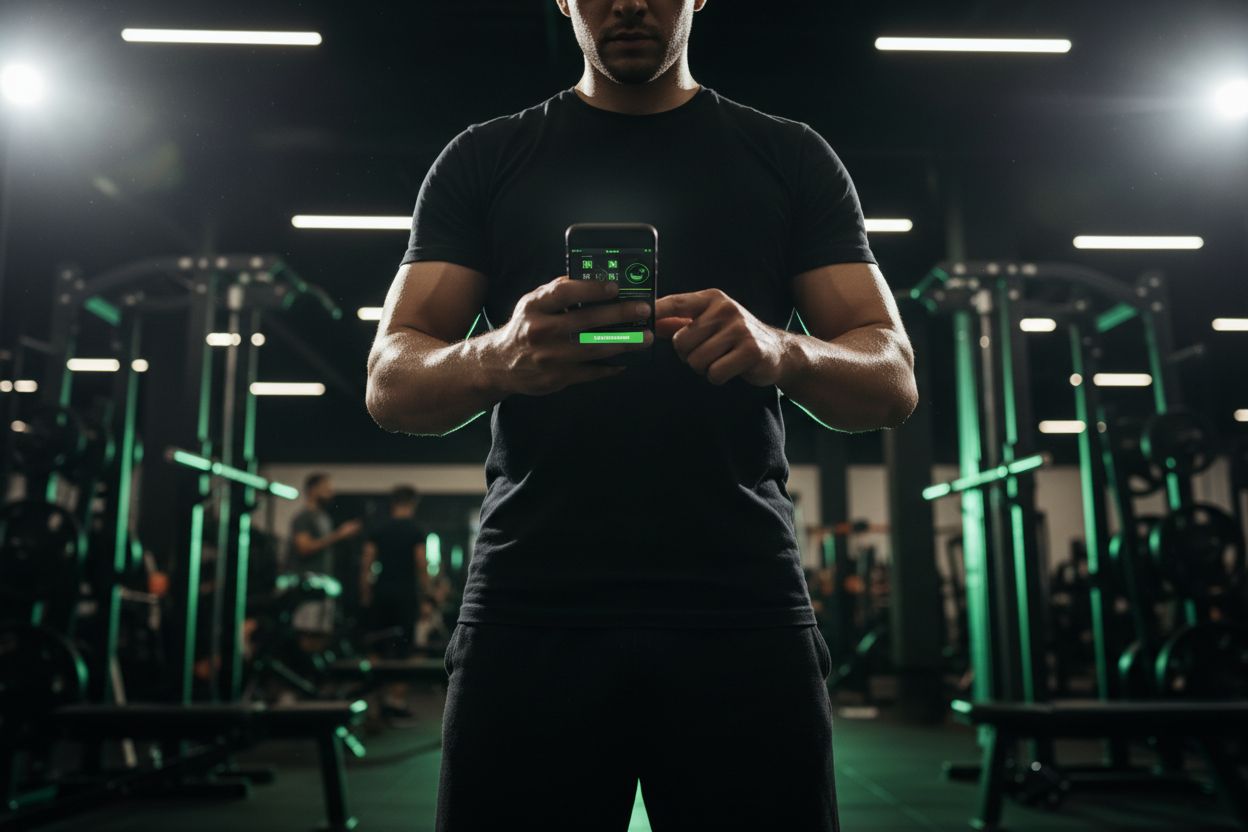
A good tracker should let you record a set before you forget how it felt. That means quick entry for reps, weight, time, notes, or intervals, plus a simple way to repeat the last set. If you train with short rest periods, supersets, or back-to-back machines, speed matters more than fancy design.
Look for an app that reduces friction in the gym:
one-screen or near one-screen logging
a clear keypad or swipe action
a fast way to duplicate the previous set
minimal setup before the first workout
A lot of people choose a fitness app for tracking workouts because they want consistency, not more admin. If the app slows you down, you are less likely to use it on busy days.
2. Progress tracking that shows real change
A workout log is only useful if it helps you see progress over time. The basics include sets, reps, weight, duration, and notes, but better apps go further with charts, personal records, volume trends, and session comparisons. Those tools help you see whether your training is moving in the right direction.
For strength training, look for features like:
last-session comparisons
rep and weight trends
total volume tracking
PR detection or highlight markers
space for notes when a workout felt unusually hard or easy
If you are still learning the language behind the numbers, a guide like Core Principles & Techniques for Every Lifter can help you understand how reps, load, and progression work together.
3. Templates and planning tools save time
A strong workout tracker should make it easy to reuse your routine. Templates matter because most people do not want to rebuild the same session every week. You want a way to save exercises, sets, rep targets, and notes, then bring that structure into the next workout.
This is also where newer planning tools can help. If you need a starting point, a free AI workout plan generator can reduce the blank-page problem by giving you a structure to work from. That is especially useful if you are new to training, coming back after time off, or switching goals.
Good planning tools usually help with:
repeatable routines
warm-up and work set organization
exercise order
notes and coaching cues
schedule-based planning, such as full body, upper-lower, or push-pull-legs
The point is not to automate your training forever. It is to make the app easier to return to week after week.
4. Support for more than just lifting
A lot of workout apps are built with gym lifters in mind, but many people train in more than one way. A true fitness app for tracking workouts should handle cardio, HIIT, bodyweight sessions, and home workouts without forcing everything into a weightlifting template.
That means the app should let you track:
duration
distance or pace
intervals
circuit rounds
custom metrics for non-lifting sessions
notes for recovery, intensity, or perceived effort
This matters if you walk, run, row, cycle, do classes, or mix lifting with conditioning. The more flexible the tracker is, the less likely you are to split your training across multiple tools.
5. Offline access, sync, and export protect your history
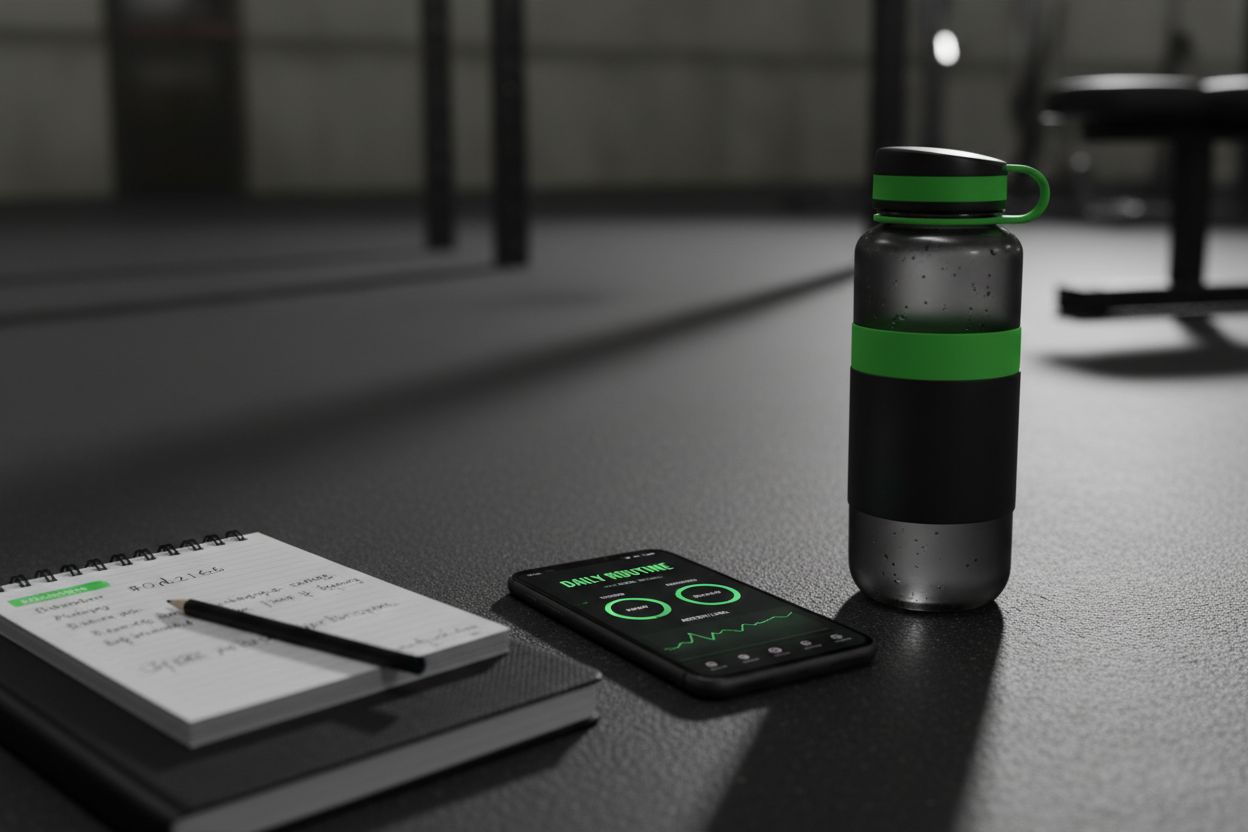
Gyms are not always great places for signal. If your app only works well when the internet cooperates, it is going to fail at the worst times. Offline support lets you keep logging even when Wi-Fi is weak or mobile data drops.
Just as important is what happens after the workout. Look for sync, backup, and export options so your history is not trapped inside one phone. If you ever change devices, switch platforms, or move your training into a spreadsheet, export features save time.
Good data handling usually includes:
offline logging
cloud sync across devices
export to CSV or another readable format
recovery after app reinstallation
a clear way to back up old workouts
If you care about long-term consistency, this is not optional. It is part of owning your training data.
6. Privacy and data ownership should be easy to understand
Workout history can reveal a lot about your schedule, habits, injuries, and health priorities. That is why the privacy side of a tracker matters just as much as the logging side. A serious app should make it easy to see what data is stored, how it is shared, and what happens if you cancel.
Before you commit, check whether the app lets you:
export your workouts
delete your account and data
understand what is backed up
keep access to your history if you stop paying
read the privacy policy without needing a law degree
It also helps to read real user feedback, because reviews often reveal whether the app feels reliable in daily use. The Setgraph App Reviews (2025) page is a useful example of the kind of feedback you should look for when comparing any workout tracker.
7. Pricing should match how often you train
Not every fitness app needs to be free, but the price should make sense for the value you actually use. A good free tier can be enough for simple logging, while premium plans often unlock deeper charts, exports, templates, coaching tools, or multi-device support.
When you compare pricing, ask a few simple questions:
Can I use the app comfortably before paying?
Are the features I need locked behind a paywall?
Is the subscription monthly or annual?
Is there a trial period?
Will the free version still be useful after a few weeks?
If you are a casual exerciser, a free or low-cost plan may be enough. If you train five days a week and want detailed history, paying for a better workflow can be worth it.
8. Platform fit and wearable support matter more than people think
Even a great app feels wrong if it does not fit your devices. Some people want a phone-only tracker. Others want iPhone and Android support, a tablet view at home, or a watch interface for fast logging between sets.
Platform fit affects how likely you are to use the app consistently. Before you download, check whether it supports the devices you actually train with. If you rely on a smartwatch, make sure logging is still fast enough to use mid-workout. If you plan workouts on a tablet and train on a phone, confirm that your data syncs cleanly.
A good app should fit your routine, not force you to change it.
9. Habit-building tools help the app stick

The best app is not only a record of what you did. It also helps you keep showing up. That is where reminders, rest timers, workout notes, and educational content become useful. Small support tools can make the difference between a tracker you open for two weeks and one you keep for years.
Some apps also publish practical guidance for training basics, progression, and workout structure. For example, Optimize Your Training | Expert Tips and Workout Guides is the kind of resource that can help users build better habits around the app, not just inside it.
Look for features that reduce drop-off:
simple onboarding
clear workout history
a built-in rest timer
notes that make future sessions easier
guidance that teaches you how to use the app well
The goal is steady use, not perfect use.
10. Match the app to your actual goal
The last step is choosing based on what you want to achieve right now. A fitness app for tracking workouts should fit the way you train today, not the training style you hope to adopt later.
Here is a simple way to match the app to your goal:
For muscle gain or strength training: prioritize progress charts, set and rep tracking, templates, rest timers, and PR history.
For fat loss or general fitness: prioritize habit tracking, cardio support, session notes, and easy logging.
For home workouts: prioritize bodyweight exercises, custom movements, and quick session templates.
For hybrid training: prioritize duration, intervals, and support for mixed activity types.
For data-focused users: prioritize export, backup, and clear trend charts.
If you are still unsure, start with the app that has the fewest weak spots in your main training category. You can always add more tools later, but an overly complicated tracker usually gets abandoned.
Frequently asked questions
What is the most important feature in a workout tracker?
Fast logging is usually the most important. If you can record a set quickly, you are more likely to keep using the app.
Should a beginner use a free fitness app for tracking workouts?
Usually yes, as long as the app is easy to use and includes the basics. A beginner rarely needs a long list of advanced analytics on day one.
Can one app track lifting and cardio?
Yes, if it supports custom session types, duration, intervals, or other non-lifting metrics. That is ideal for hybrid training.
Is offline mode worth caring about?
Absolutely. Weak signal, dead zones, and crowded gyms happen all the time. Offline logging keeps your workout from getting interrupted.
What should I be able to export from a workout log?
At minimum, your workout dates, exercise names, sets, reps, weight, notes, and session history. CSV export is especially useful.
How do I know if an app is too complicated?
If setup takes too long, logging feels slow, or basic features are buried under too many menus, the app is probably more complex than you need.
The best fitness app for tracking workouts is the one that fits your training style, protects your data, and makes logging feel natural. If it helps you train with less friction and better consistency, it is doing its job.
Article created using Lovarank