7 Best Apps to Track Your Workouts for Faster Progress
A great workout tracker should save time, not create another task. The best apps to track your workouts make logging fast, show clear progress over time, and fit the way you actually train. If you want a simple log with quick set entry and direct progress comparisons, Setgraph is built around that idea, while Hevy, JEFIT, Strong, FitNotes, Fitbod, and Stronger each bring a different strength to the table. (setgraph.app)
Best apps to track your workouts
The right choice depends on your training style. Some apps are built for fast gym logging, some are better for automatic programming, and some focus on simplicity. If you care about progression, consistency, and less friction in the gym, these are the apps worth knowing. (setgraph.app)
1. Setgraph
Best for: lifters who want quick logging and clear progress comparisons.
Setgraph’s homepage focuses on fast workout logging and real-time comparisons with your last session. It highlights percentage changes in reps, weight per rep, volume, and sets, plus a workout planner, an AI workout generator, and correlation charts that help you see how training changes over time. Its updates page also shows newer features like muscle recovery tracking, workout analytics, and fitness progress charts. If your main priority is making progressive overload easier to see, Setgraph fits that use case well. For a deeper look at the app and its latest changes, see Setgraph's workout tracker and what's new in Setgraph. (setgraph.app)
2. Hevy
Best for: people who want a polished all-rounder with social features.
Hevy says it is a free workout tracker for iOS and Android, and it is built around routines, progress tracking, and staying motivated with other lifters. The app lists intuitive workout logging, an advanced routine planner, warmup, drop, and failure set tags, automatic rest timers, notes, charts, personal records, one-rep max calculations, high-quality exercise videos, custom exercises, and complete exercise history. It also supports Apple Watch and Wear OS, offline logging, and desktop use. That mix makes Hevy a strong fit if you want a modern tracker that covers most training needs without feeling barebones. (hevyapp.com)
3. JEFIT
Best for: lifters who want strong watch support, planning tools, and data.
JEFIT says its workout logging is free to start and has no ads. Its main logging page lets you build custom workouts or use templates like 5x5, PPL, or full-body, then log sets, weights, supersets, drop sets, notes, and rest timers. JEFIT also tracks volume, PRs, 1RM, and muscle-group heat maps, and it works on mobile, watch, and web. The watch pages show real-time sync and interval or rest timers on Apple Watch and Wear OS, which makes it a good option if you like tracking from your wrist. (jefit.com)
4. Strong
Best for: people who want a clean gym log with flexible upgrades.
Strong describes itself as a simple, intuitive way to track gym and weightlifting workouts, and its help center says the app keeps your workout history in the cloud so you can access it from multiple devices. It supports iPhone, Android, and Apple Watch, and it includes charts, body measurements, and integrations. Strong PRO adds unlimited workout templates, body measurements, more charts, a plate calculator, a warm-up calculator, and custom icons or themes, while the free version still lets you track workouts. Strong also supports CSV export, which is useful if you care about backups and data portability. (help.strongapp.io)
5. FitNotes
Best for: Android users who want a simple, no-ads workout log.
FitNotes says it is a clean, simple, powerful workout tracking app that is only available on Android. It is free to use and has no ads. The home screen centers on today’s workout and uses a calendar to highlight training dates, which makes it easy to revisit old sessions and keep a consistent log. FitNotes also includes body tracking, plus options to copy, share, re-order, comment on, and delete workouts. If you want the least distracting tracking experience on Android, FitNotes is one of the easiest recommendations to make. (fitnotesapp.com)
6. Fitbod
Best for: lifters who want the app to decide the next workout for them.
Fitbod is more of a personalized strength-training system than a manual log first app. Its homepage says it creates a workout plan that updates with your body, recovery, and progress, and that it builds workouts around your equipment, schedule, and preferences. Fitbod is available on both Android and iOS, and the site says its Android experience includes more than 680 exercises, circuits and supersets, warm-up sets, and Wear OS support. Fitbod is also sold through a membership model, so it is a better fit if you are comfortable paying for guided programming rather than just using a free log. (fitbod.me)
7. Stronger
Best for: people who like motivation, competition, and simple progress scores.
Stronger says you can log workouts, measure your Strength Score, compete with friends, and watch your progress improve over time. The site also highlights 400+ exercises, custom routines, rest timers, progress charts, and adaptive routines that adjust to your progress. Stronger is free on iOS and Android, and it offers a 7-day free trial for premium features. If you like the idea of visible progress and a little friendly competition, it is worth a look. (strongermobileapp.com)
Which workout tracker fits your training style?
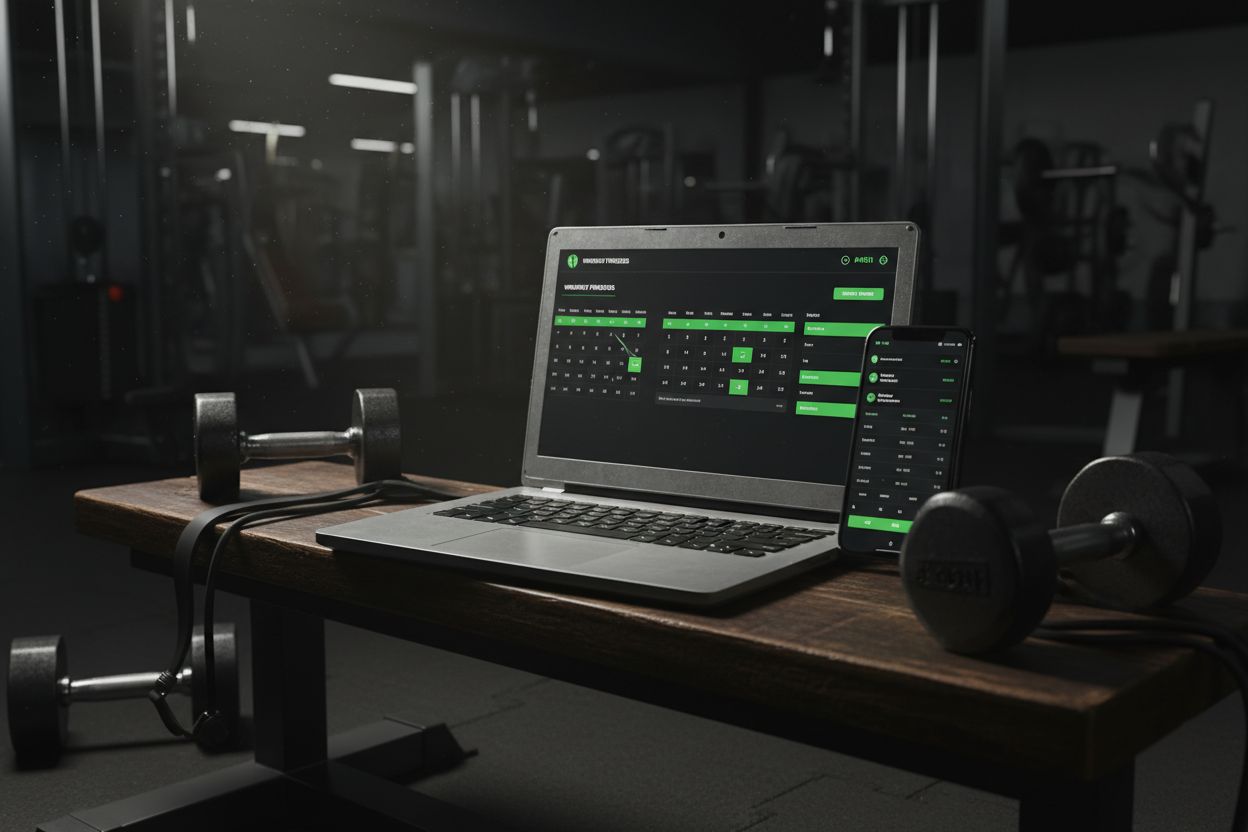
If you are still deciding, it helps to match the app to the way you train. The biggest mistake people make is choosing an app with features they never use. A better approach is to start with the simplest app that still gives you the data you actually need. If you want a stronger foundation for that decision, Setgraph's core lifting principles and workout optimization tips are useful companion reads. (setgraph.app)
If you are a beginner: FitNotes is the simplest pick on Android, while Strong gives you a clean logging experience with room to grow into more advanced features. (fitnotesapp.com)
If you want the best all-around tracker: Hevy and JEFIT both cover logging, planning, watch support, and progress tracking in ways that work for most lifters. (hevyapp.com)
If you want the app to program your training: Fitbod is the clearest choice because it builds personalized workouts around your recovery, equipment, and goals. (fitbod.me)
If you care most about fast logging and clean progress data: Setgraph and Strong are both strong options, especially if you want fewer distractions during a session. This is an inference based on their emphasis on fast logging, comparisons, and simple workout history. (setgraph.app)
If you want social motivation: Hevy and Stronger both add community or competitive elements that can make it easier to stay consistent. (hevyapp.com)
How to get more value from any workout tracker
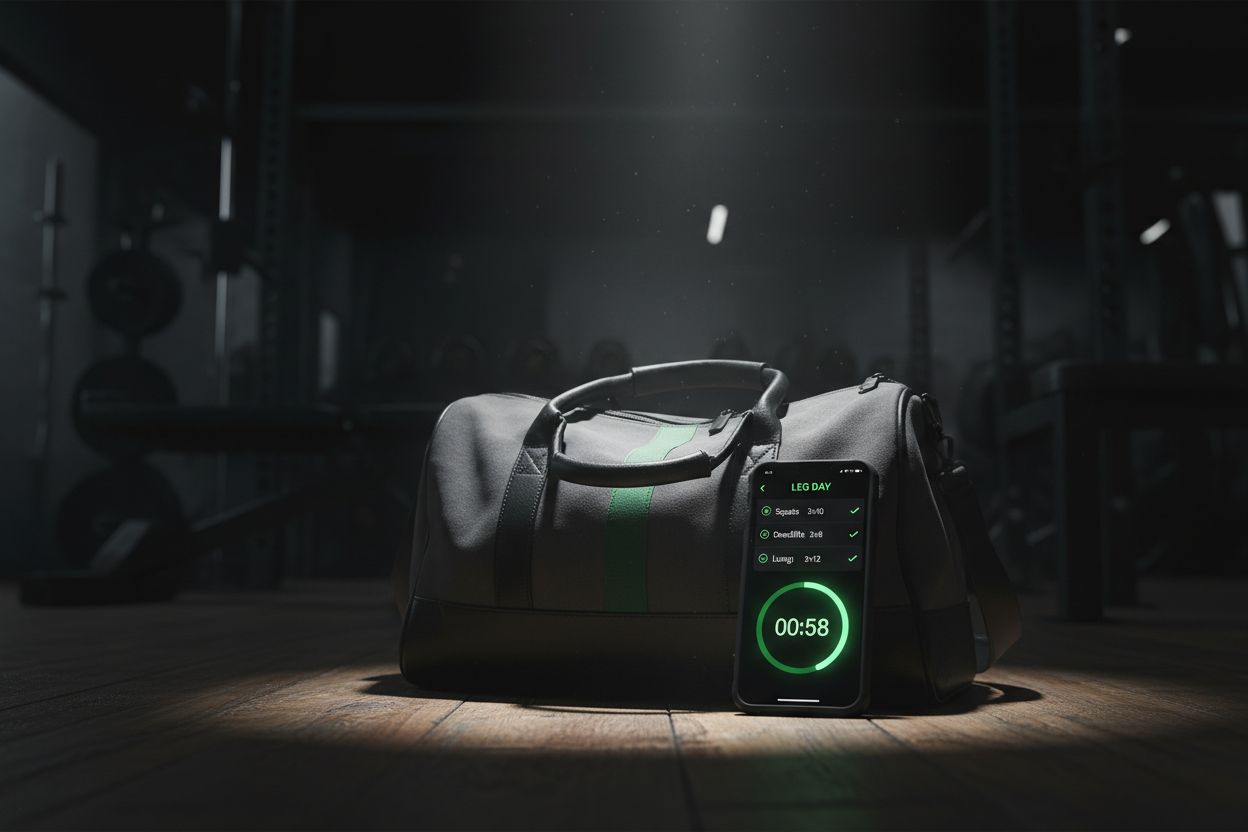
The app itself matters, but the way you use it matters more. Once you pick one of the apps to track your workouts, focus on a simple system that you can repeat every week. Tracking works best when the data stays comparable from session to session, which is why many apps emphasize sets, reps, weight, rest timers, and progress charts. (setgraph.app)
Here is a simple approach that works for most lifters:
Track the same lifts consistently. If you keep changing exercise variations, your progress becomes harder to read. Setgraph’s last-session comparison and JEFIT’s volume, PR, and 1RM tools are designed to make repeatable training easier to interpret. (setgraph.app)
Use notes when context matters. If your sleep was poor, the gym was packed, or you changed your setup, add a note. JEFIT supports notes, and Strong lets you record workout and exercise notes as well. (jefit.com)
Take advantage of timers and templates. Rest timers help keep sessions moving, and templates reduce decision fatigue. JEFIT includes rest timers and templates, Strong PRO adds unlimited templates, and Hevy includes automatic rest timers. (jefit.com)
Back up your data if it matters to you. Strong supports CSV export, and JEFIT says you can review or export your workout journey. If you care about long-term progress, that matters more than people realize. (help.strongapp.io)
Choose speed over novelty. A tracker is only helpful if you actually use it during the workout. Simpler logs like Setgraph and FitNotes are often easier to stick with because they keep the logging process light. That is an inference based on the way those apps present their core features. (setgraph.app)
If you want to make tracking part of a bigger training system, it also helps to read a few practical guides along the way. Setgraph's workout tips can help you turn tracking into better habits, and its latest updates are useful if you want to see how a tracker can evolve over time. (setgraph.app)
FAQ
What should a workout tracking app record?
At minimum, look for sets, reps, weight, and workout history. The better apps also include rest timers, notes, PRs, charts, and one-rep max estimates. JEFIT, Hevy, Strong, and Setgraph all emphasize some version of that mix. (setgraph.app)
Are free workout apps good enough?
Yes, if they match your needs. FitNotes is free and ad-free, Hevy is free on iOS and Android, JEFIT says it is free to start with no ads, and Strong offers a free version with optional PRO upgrades. (fitnotesapp.com)
Which apps are best for watch users?
Hevy supports Apple Watch and Wear OS, JEFIT supports Apple Watch and Wear OS, Strong supports Apple Watch, and Fitbod’s Android experience includes Wear OS support. If you like logging from your wrist, those are the first apps to check. (hevyapp.com)
What is the easiest app for simple gym logging?
FitNotes is the clearest answer on Android because it is simple, free, and ad-free. If you want a broader cross-platform option with a similar focus on fast logging, Setgraph is also built around quick workout entry and session-to-session comparison. (fitnotesapp.com)
The best apps to track your workouts are the ones you will actually open during every session. If you want speed, start with Setgraph or FitNotes. If you want depth and community, try Hevy or JEFIT. If you want the app to guide your plan, Fitbod is the standout. The right choice is less about having the most features and more about finding the tracker that fits your training habit. For more on Setgraph, you can also check Setgraph App Reviews before you decide. (setgraph.app)
Article created using Lovarank