10 Things to Look for in an App to Keep Track of Workouts
The right app to keep track of workouts should make training easier, not busier. Whether you lift in a commercial gym, train at home, or follow a simple full-body plan, the goal is the same: remember what you did last time, spot progress, and make your next session faster to log than a notes app or spreadsheet ever could.
If you want a strength-focused example, Setgraph presents itself as a workout tracker built around quick set logging, exercise history, a workout planner, an AI workout generator, and progress charts. That is a good reminder of what the best workout log apps actually do. They reduce friction, keep your data organized, and help you stay consistent long enough for the numbers to move.
1. Fast logging matters more than polished dashboards
A beautiful interface is nice, but it is not what keeps people using an app after week two. The most useful workout tracker is the one you can open during a rest period, record a set, and move on without losing focus.
Look for:
One or two taps to log a set
Easy access to the previous session
A repeat function for back-to-back sets
No long setup flow before you can start training
A layout that works with sweaty hands and a small screen
Dedicated strength apps often emphasize swipe gestures, quick set entry, and direct logging because that is what lifters need in the middle of a workout. If an app forces you to hunt through menus every time you change weight, it will start feeling like homework.
2. A good app should show your workout history at a glance
Training only becomes useful data when you can compare one session with the next. The best app to keep track of workouts should show previous sets, previous weights, and maybe a clean view of volume or rep trends. That way, you do not have to guess whether you are progressing.
This matters for a simple reason: most people think they are improving, but the numbers tell the truth. If your log shows that last week’s bench press was 135 for 8 and this week is 140 for 8, you know exactly what changed. If the app also tracks exercise-specific history, it becomes much easier to make small decisions that add up over time.
Some trackers go beyond basic history and include:
Personal records
Estimated 1RM
Volume charts
Trend lines by exercise
Session comparisons
If you want a deeper look at how lifters think about progression, the Core Principles & Techniques for Every Lifter article is a useful companion read.
3. Templates and routines keep training organized
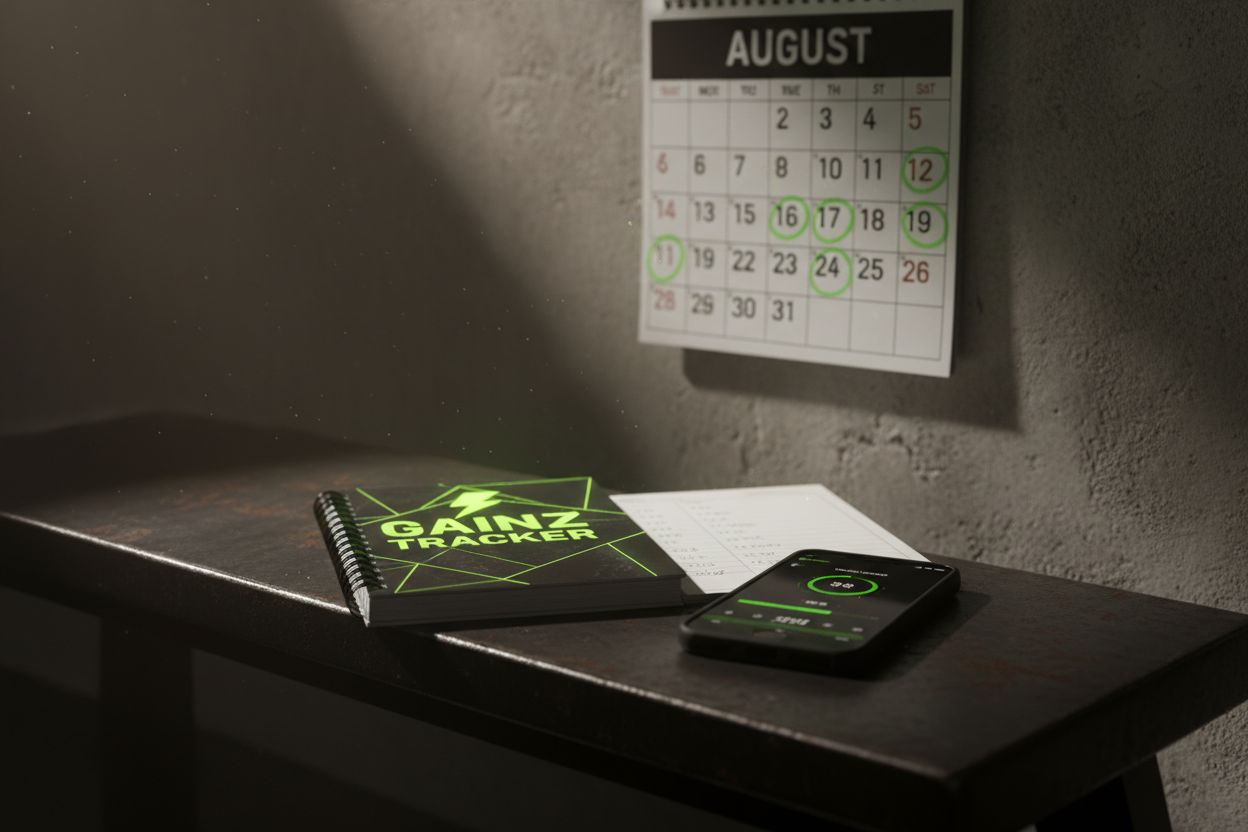
A workout log is helpful, but a workout log plus a repeatable plan is better. Templates and routine builders save time, keep your training balanced, and make it easier to follow a program without rebuilding it from scratch every week.
This is especially helpful if you:
Follow an upper-lower or push-pull-legs split
Repeat the same exercises each week
Want to compare similar workouts across time
Train around a fixed schedule
Like to copy a session and adjust only a few sets
Many popular apps also support supersets, warmups, drop sets, and custom templates, which is useful if your workouts are not simple straight sets. The point is not to make the app more complicated. It is to make the structure you already use easier to repeat.
If you are trying to turn loose workouts into a consistent system, Optimize Your Training is a practical place to start.
4. Custom exercises and flexible logging matter for real life
No two gyms look exactly the same. One person is barbell-focused, another uses dumbbells and machines, and another mixes bodyweight work, cables, and rehab-style movement. A good app to keep track of workouts should adapt to your training style, not force you into a narrow list of preset exercises.
At minimum, look for:
A large exercise database
Custom exercise creation
Easy renaming or editing
Support for bodyweight, machine, cable, and free-weight movements
Room for notes if you want to record cues, pain points, or form reminders
This matters most if you train at home, rotate equipment often, or do a program that includes less common movements. It also matters for people who are returning from injury or working with a coach. The easier it is to customize the app, the less likely you are to abandon it when your routine changes.
If you are still building your base and want better lifting fundamentals, Core Principles & Techniques for Every Lifter is worth reading before you settle on a tracker.
5. The best trackers capture the details that actually drive progress
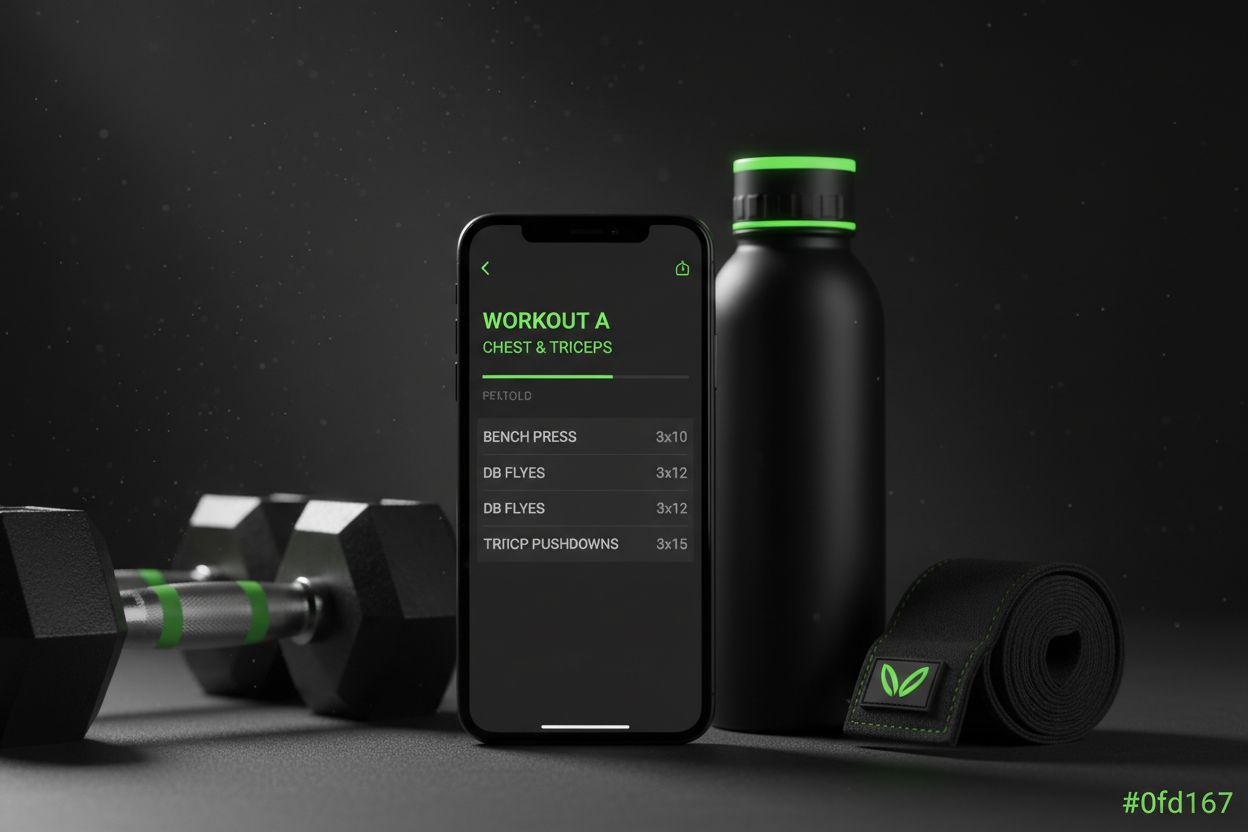
A good workout tracker should not just count workouts. It should capture the details that tell you whether training is working.
For strength training, that usually means:
Sets
Reps
Weight
Time or duration for cardio and conditioning
Warmup sets
Notes about effort or form
Optional tags for failures, drop sets, or assisted reps
Several popular trackers also support Apple Watch logging, custom routines, exercise instructions, cloud sync, and progress estimates such as 1RM. That combination is useful because it gives you enough structure without turning every session into a spreadsheet.
Setgraph’s site highlights a similar idea with quick set logging, workout history, correlation charts, and an AI workout generator. That is a strong reminder that the best apps do more than store numbers. They help you make sense of them.
6. Progress charts should be simple, not noisy
A cluttered dashboard can look impressive and still fail you in the gym. The best progress charts are the ones you can read in seconds. You want to see whether your reps are climbing, whether load is moving up, and whether your weekly volume is stable enough to support your goal.
Useful chart types include:
Exercise-specific trend lines
Workout volume over time
PR history
Weekly training summaries
Session-by-session comparisons
Setgraph’s site describes correlation charts that show how weight and reps evolve over time, which is a good example of a focused tracking view. That kind of chart is useful because it keeps the conversation simple. Are you getting stronger or not? If the answer is unclear, the app is probably not showing the right data.
Do not get distracted by metrics that look clever but do not help you train. A clean view of progress is better than a wall of numbers you never use.
7. Offline mode, sync, and backup are easy to overlook
Your workout app is only helpful if your data survives real life. Gyms have dead zones. Phones die. People switch devices. That is why offline mode, sync, and backup matter more than they first appear.
Ask these questions before you commit:
Can I log workouts without internet?
Will my data sync automatically later?
Can I export my workout history if I change apps?
Is there a backup option or cloud sync?
Can I access the log on more than one device?
This is one of those features you barely notice when it works and regret immediately when it does not. If you train seriously, your workout history becomes a long-term record of progress. You should own that data and be able to move it when needed.
Privacy matters too. Read the app’s policies, check what gets stored in the cloud, and decide whether you are comfortable with the tradeoff.
8. Pick the app based on your training style
Not every app to keep track of workouts is built for the same user.
Here is a simple way to match the app to the person:
Strength training and progressive overload: choose a tracker with quick logging, clear history, and progression views
Bodybuilding: prioritize volume tracking, exercise notes, and templates
Home workouts: choose custom exercises, bodyweight support, and simple routines
Calisthenics: look for flexible rep tracking and movement notes
HIIT or conditioning: make sure time-based intervals are easy to record
Coaching or shared programs: look for export, clear logs, and repeatable templates
Beginners: choose the simplest interface you can find, because consistency matters more than feature count
Setgraph is positioned around strength training and progressive overload, so it makes sense for lifters who care about tracking lifts over time. For broader workout ideas and related guidance, Fitness & Workout Tips can help you think through how training and logging fit together.
The main lesson is simple. The right app is the one that supports your actual routine, not the routine the app wants you to follow.
9. Free vs paid usually comes down to friction, not price
A free workout tracker is often enough if you only need basic logging. But paid plans can make sense when they remove friction in the exact places that annoy you most.
Free apps are usually fine for:
Basic set, rep, and weight logging
A small exercise library
Simple workout history
Occasional workout planning
Paid features may be worth it if they give you:
Better charts and reports
Cloud backup or multi-device sync
Apple Watch or wearables support
Custom routines and templates
More advanced exercise data
An ad-free experience
Faster logging tools
Do not pay just because an app looks polished. Pay only when the extra features solve a real problem. If your current setup already helps you train consistently, then a free version may be all you need.
10. How to choose the right app in five minutes
If you are overwhelmed by options, use this quick test.
Ask yourself:
Can I log a set in under 10 seconds?
Can I see what I did last time without digging?
Can I add custom exercises?
Does it work when my phone is offline?
Can I back up or export my data?
Does the app feel calm enough to use mid-workout?
If the answer to most of those is yes, you are probably looking at a solid app to keep track of workouts. If the app feels slow, crowded, or overly complicated, keep looking. Good software should reduce the thinking you do between sets, not add to it.
It also helps to read the app’s own training advice and support material before deciding. The Setgraph App Reviews (2025): User Ratings for Tracking Sets, Reps & Workouts page is useful if you want a sense of how real users describe the experience.
Common mistakes people make when choosing a workout tracker
Even a good app can become a bad fit if you choose it for the wrong reasons.
Watch out for these mistakes:
Choosing based on screenshots instead of real use
Ignoring whether the app is fast enough in the gym
Picking a tool with too many features you will never touch
Forgetting about export and backup
Using a tracker that does not match your actual training style
Letting setup take so long that you stop using it
The biggest mistake is assuming more features automatically means a better app. In practice, the best tracker is the one you actually open every session. If an app helps you stay consistent, that is worth more than a long list of extras.
FAQs
What is the most important feature in an app to keep track of workouts?
Fast logging. If it takes too long to enter a set, most people stop using the app.
Should beginners use a workout log app?
Yes. Beginners benefit a lot from seeing what they did last time and building a simple habit around tracking.
Can I use notes or a spreadsheet instead?
Absolutely. The best tool is the one you will actually use. That said, a dedicated app is usually faster in the gym.
Do I need a paid app?
Not always. Start with the free version if it covers the basics. Upgrade only when you hit a real limit.
What should I track beyond sets and reps?
Weight, time, exercise notes, warmups, and any detail that helps you compare one workout to the next.
The bottom line is simple. A good app to keep track of workouts should be quick, clear, and easy to trust. If it helps you log training without slowing you down, shows you real progress, and fits the way you actually lift, you will use it more often. That consistency is what turns a casual workout habit into measurable progress. And if you want more structured help around lifting, planning, and tracking, the broader Setgraph library can be a useful place to continue reading.
Article created using Lovarank