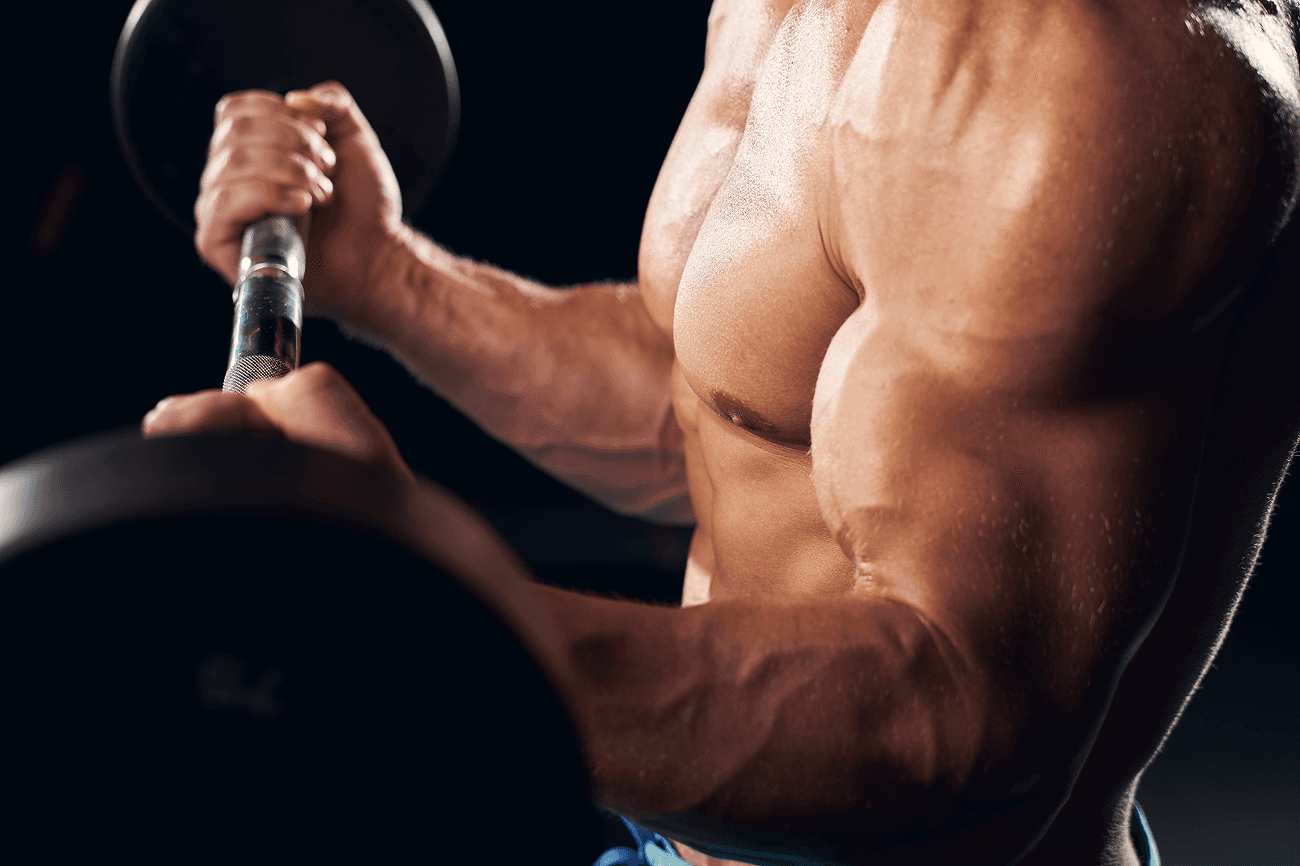
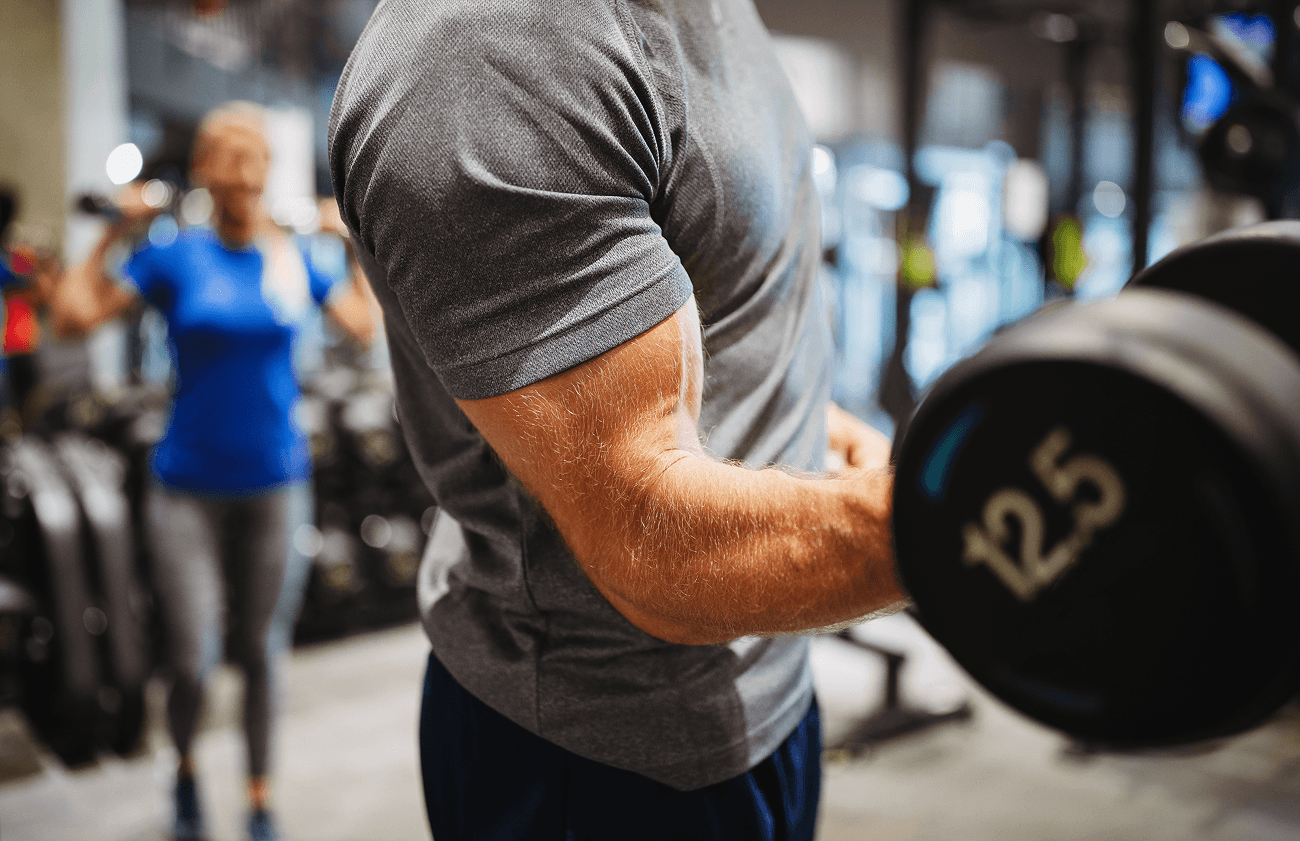
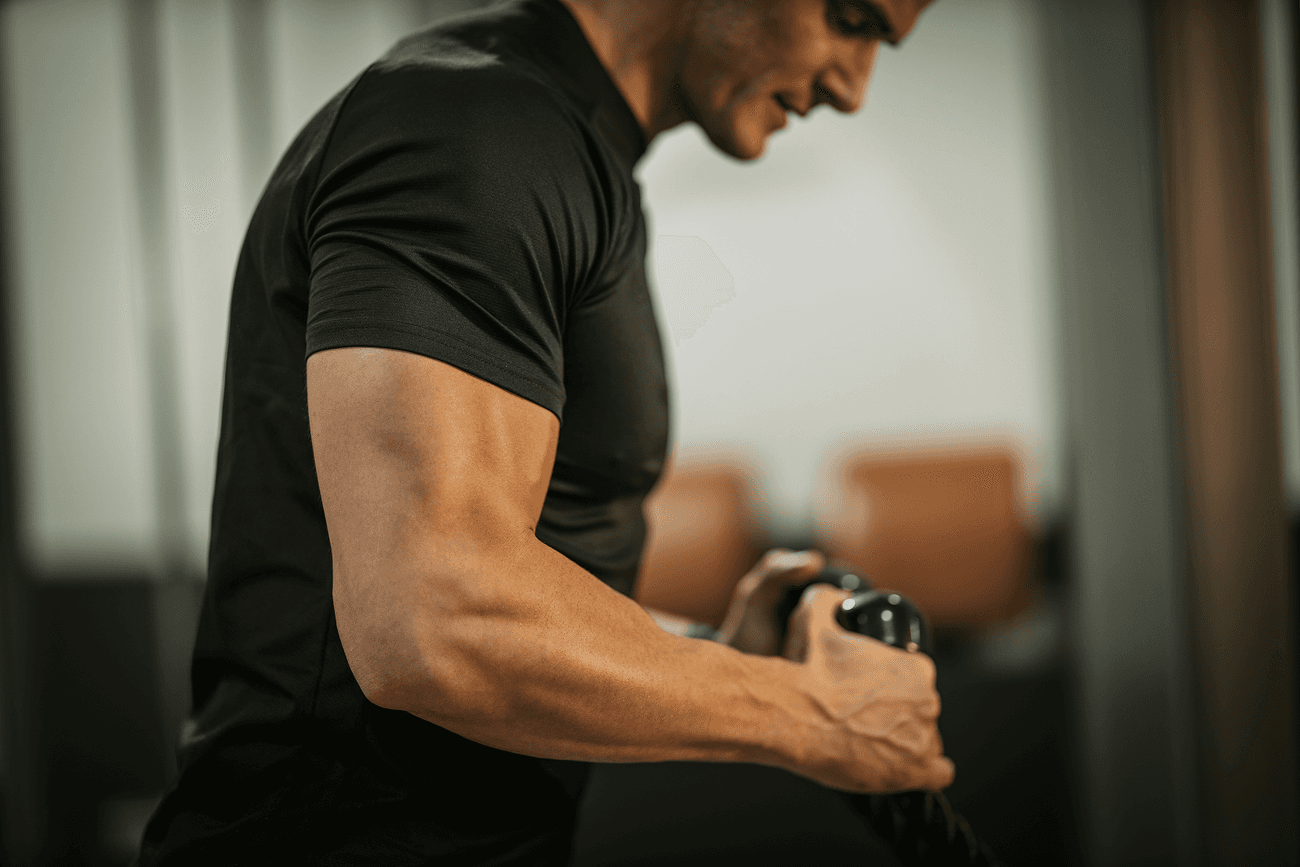
Triceps and Biceps Workout: Should You Train Them Together?
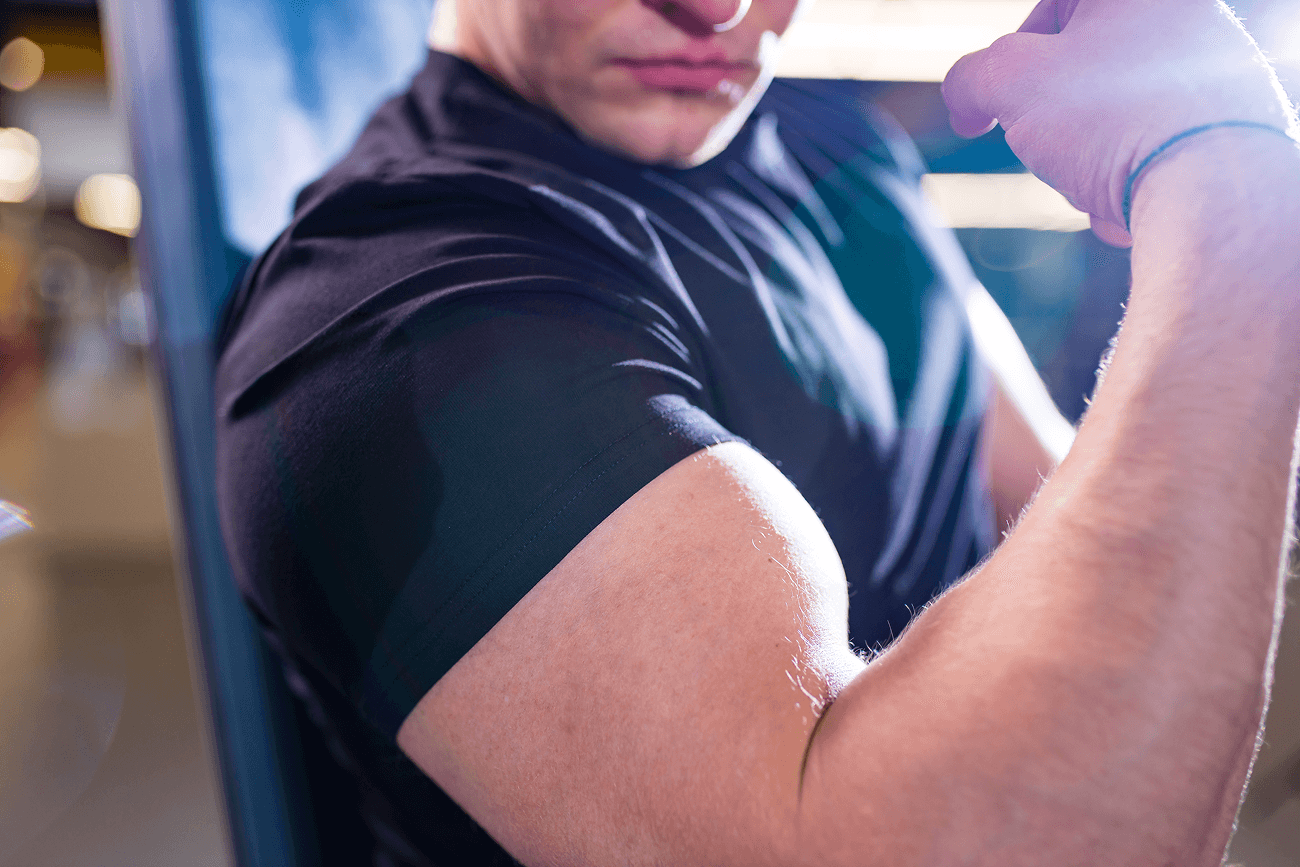
Yes, you can train triceps and biceps in the same session. Pairing a curl with an extension is a practical way to organize direct arm work, particularly when time is limited. The best amount depends on the pressing and pulling already in your program.
Here is a simple paired workout, how to rest between exercises, and how to adjust it for your equipment and recovery.
What Are the Triceps and Biceps Muscles?
Before deciding how to train them, it’s important to understand the role of each muscle.
Biceps muscle: Located on the front of your upper arm, responsible for elbow flexion (pulling movements).
Tricep muscle: Located on the back of your upper arm, responsible for elbow extension (pushing movements).
They are important elbow movers, but shoulders, wrists, and other muscles also contribute to upper-body tasks.
Can You Train Triceps and Biceps Together?
Yes. Training them together is one workable option; neither a dedicated arm day nor separate days are required for everyone.
This approach is often called an arm day workout, where both muscle groups are trained in the same session.
Why It Works:
They are opposing muscle groups (antagonists)
Alternating them can give each muscle more local rest, although whole-session fatigue still accumulates
Allows for efficient supersets and shorter workouts
Benefits of a Triceps and Biceps Workout
1. Improved Muscle Balance
Including both gives you practice in elbow flexion and extension. It does not guarantee a particular size ratio or correct every imbalance.
2. Time Efficiency
Alternating sets can shorten a session when it reduces idle rest without compromising your target reps or technique.
3. A Temporary Muscle Pump
An arm workout may produce a temporary pump. That sensation is not a reliable measure of long-term muscle growth.
4. Ideal for Superset Training
You can pair exercises like:
Bicep curls → Tricep pushdowns
Hammer curls → Overhead triceps extensions
Potential Downsides to Consider
While effective, training triceps and biceps together may not always be ideal.
For a specific strength goal, put the priority exercise first; separate days are an option, not a requirement
High volume workouts can lead to fatigue if not structured properly
A Starting Triceps and Biceps Routine
Warm-Up (5–10 minutes)
Arm circles
Light curls and extensions, followed by an easy practice set of each chosen movement
Biceps Exercises
Dumbbell Curl: 2 sets × 8–12 reps
Hammer Curl: optional 1–2 sets × 10–15 reps if your current workload allows
Concentration Curl: substitute for the dumbbell curl rather than adding it automatically
Triceps Exercises
Close-Grip Push-up: optional 1–2 sets of about 8–15 controlled reps, adjusting hand elevation on a stable surface to leave a few reps in reserve
Overhead Dumbbell Extension: 2 sets × 10–15 reps; use a lying extension if overhead positioning is uncomfortable
Cable Pushdown: an alternative to the overhead extension, 2 sets × 10–15 reps
Superset Arm Workout for Maximum Efficiency
Use the paired format instead of repeating the whole routine again. For example:
Pair A: Dumbbell Curl + Overhead Dumbbell Extension, 2 rounds using the reps above
Optional Pair B: Hammer Curl + Close-Grip Push-up, 1–2 rounds if recovery allows
Cable or concentration curls can replace a listed movement; you do not need a third pair
Perform one set of the first movement, then the second, allowing time to set up safely. Rest about 90–120 seconds after the pair, longer if needed. Keep roughly 2–3 reps in reserve while learning. When you reach the upper rep target on every set with the same effort and technique, try the smallest manageable load increase.
Should Beginners Train Triceps and Biceps Together?
Yes. Begin with Pair A or ordinary straight sets of one curl and one extension. For straight sets, rest about 1–2 minutes or longer when needed. Additional exercises are optional; consider how much pressing and pulling you already do.
It helps:
Build foundational strength
Improve mind-muscle connection
Keep workouts simple and structured
How Often Should You Train Arms?
As a practical starting point:
Train arms 1–2 times per week
Leave a rest day between demanding direct-arm sessions when practical, and adjust for soreness, joint comfort, and performance
Remember, your tricep muscle is also heavily involved in chest workouts, while the biceps muscle assists in back exercises.
Final Verdict: Is Training Triceps and Biceps Together Effective?
Training triceps and biceps together is a practical option when the combined session fits your goals and recoverable workload.
It’s ideal if you want:
Bigger arms
Better muscle balance
Shorter, more efficient workouts
If one lift is a priority, place it first. Exercise-order research supports prioritizing the specific movement you want to strengthen; it does not require separating biceps and triceps onto different days.
FAQs About Triceps and Biceps Training
Is it better to train triceps or biceps first?
Start with the exercise you most want to improve. If both are equally important, choose an order you can repeat and assess comfortably.
Are triceps harder to grow than biceps?
There is no universal rule that triceps are harder to grow or require more sets. Training history, exercise selection, total workload, nutrition, and recovery all matter. Judge each muscle’s progress rather than prescribing volume from size alone.
Can I do triceps and biceps workout at home?
Yes. Dumbbell curls and extensions cover the basic movements. Close-grip push-ups can be adjusted with a stable elevated surface. Dips are optional and require suitable equipment and shoulder tolerance; avoid makeshift supports that can tip.